The sculptor’s archive — works, series, exhibitions, documents
Antonina Wysocka Jonczak
«I am. Therefore what I make is the trace of my presence.»
Scroll — the exhibition is open
Questa pagina è disponibile anche in italiano.
Leggi in italianoTa strona jest dostępna także po polsku.
Czytaj po polsku «I am. Therefore what I make is the trace of my presence.»
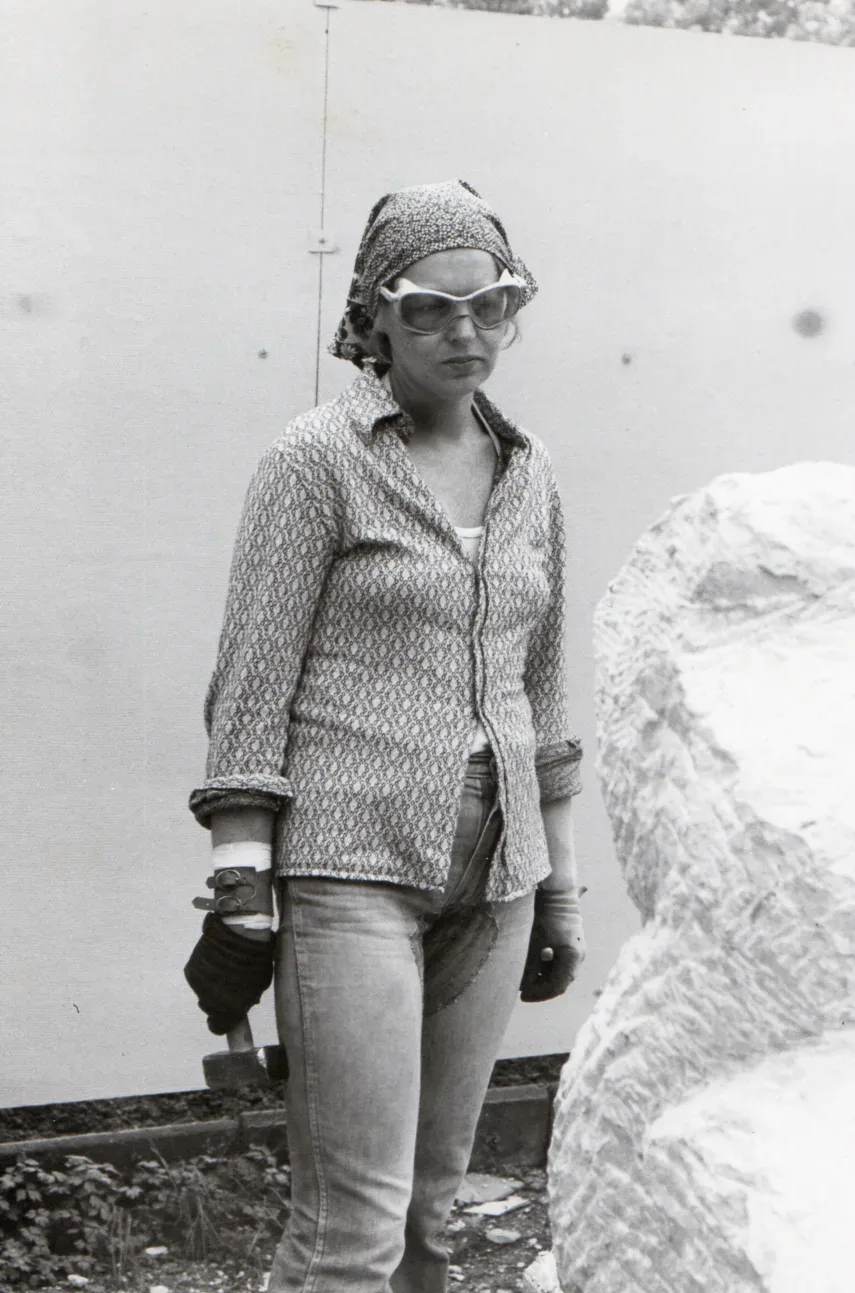
Antonina Wysocka-Jonczak is a Polish sculptor, born in Vilnius in 1942 and trained at the Academy of Fine Arts in Warsaw, where she graduated in 1966. For half a century she worked in sculpture, medallic art and painting, taking part in international sculpture symposia.
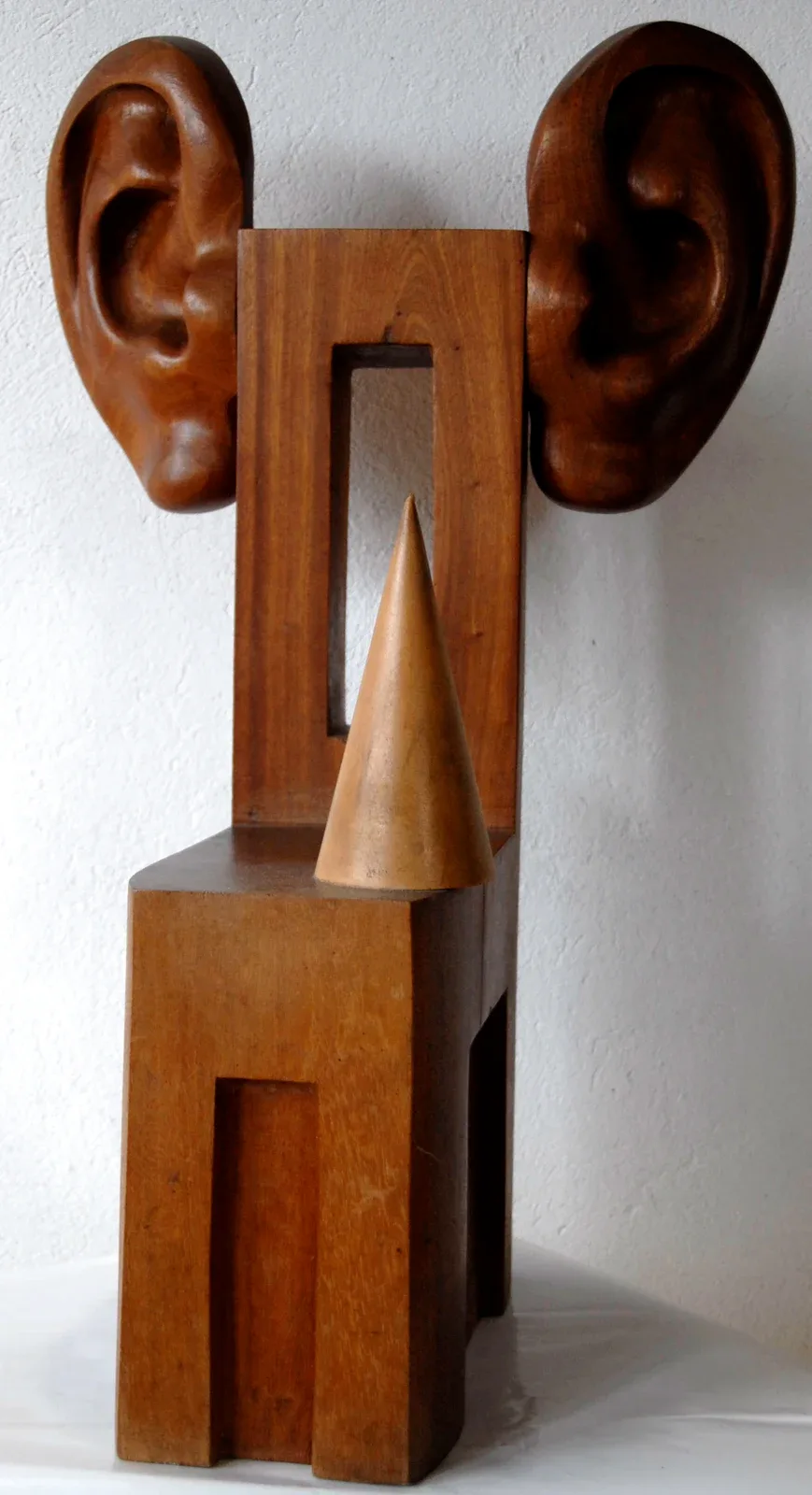
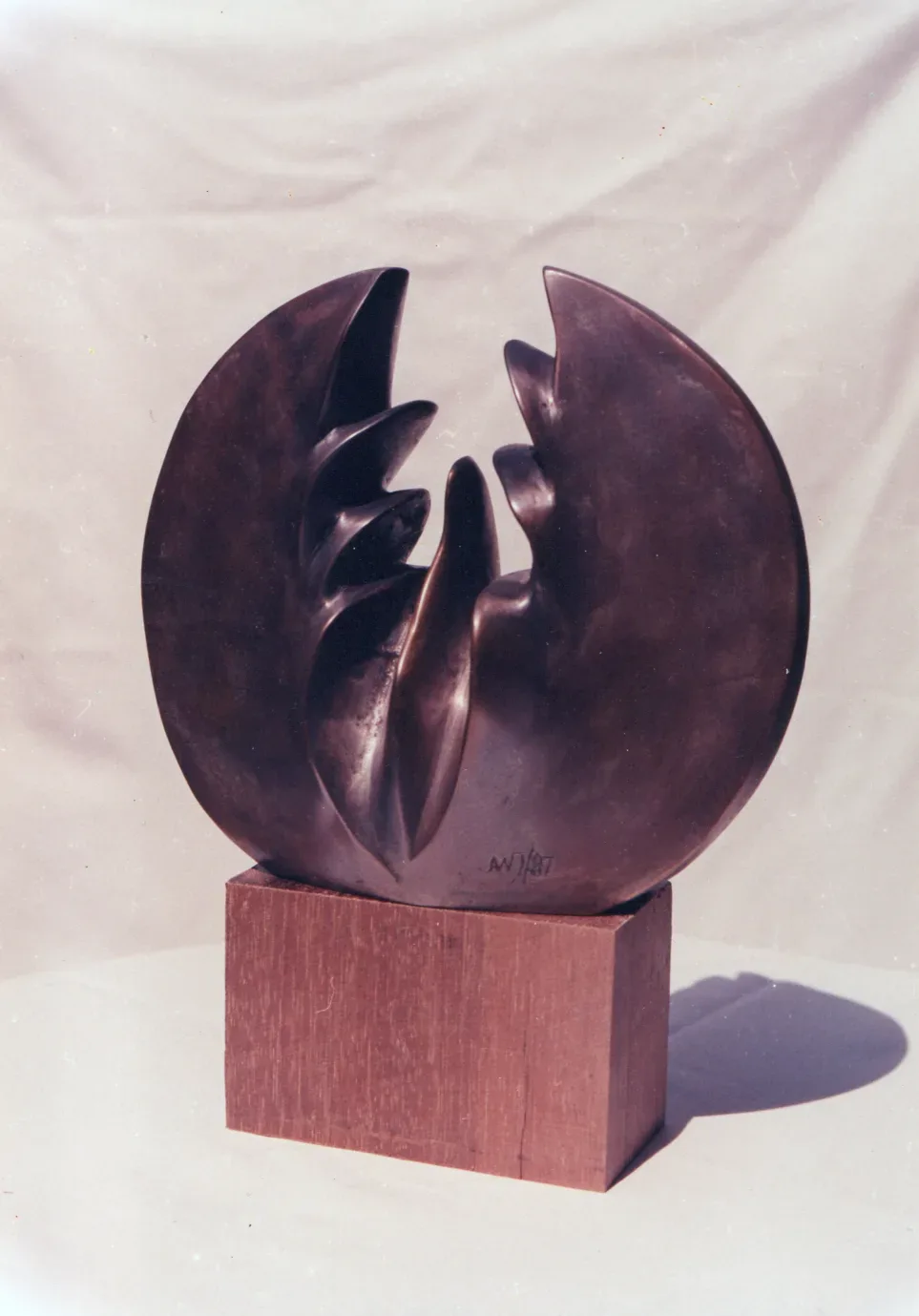
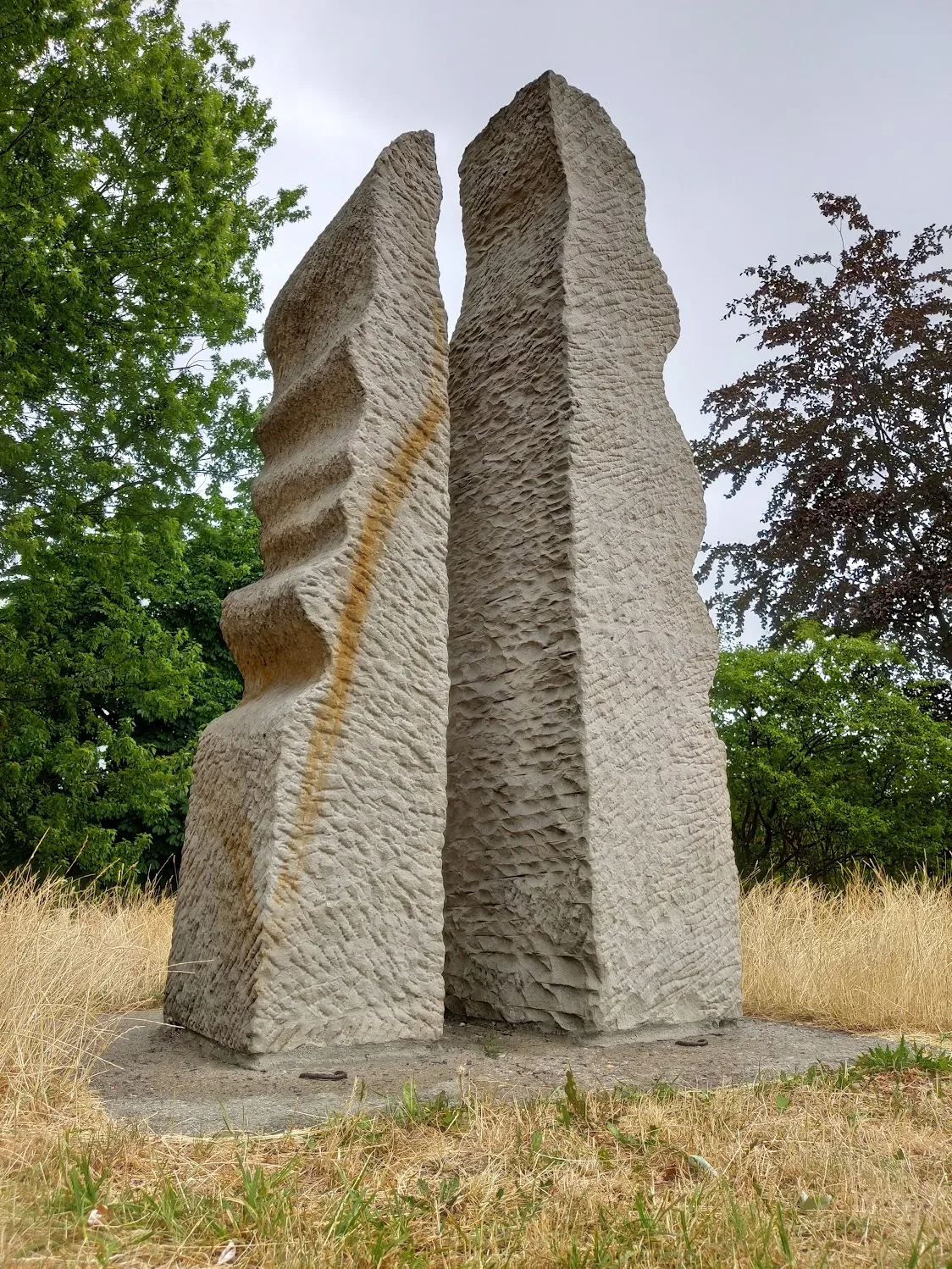
Three materials run through all her work: the mahogany and oak of the large compositions, the bronze of the small-scale cycles, the granite and sandstone carved at the symposia.
 Enter the room →
  Enter the room →
  Enter the room →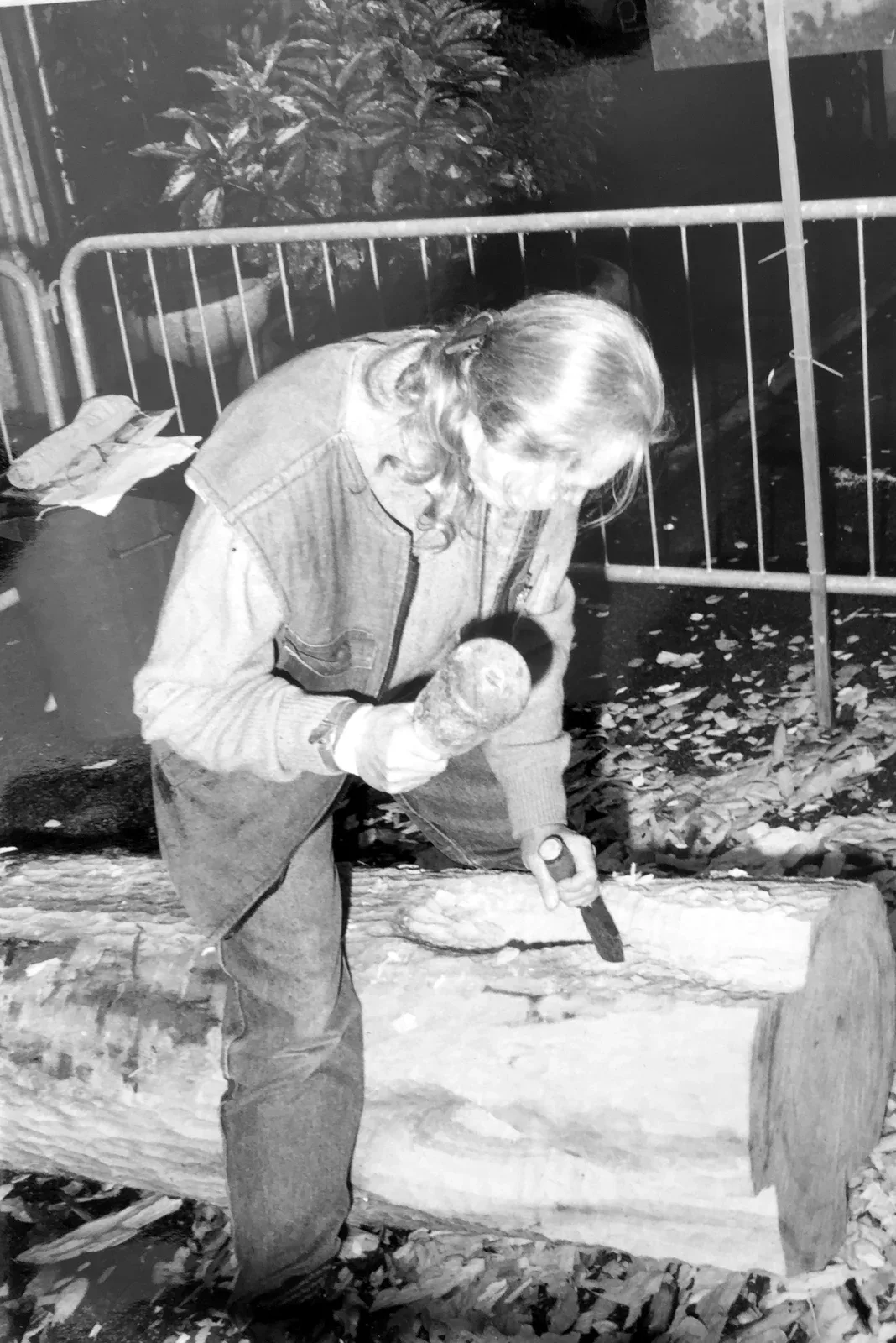
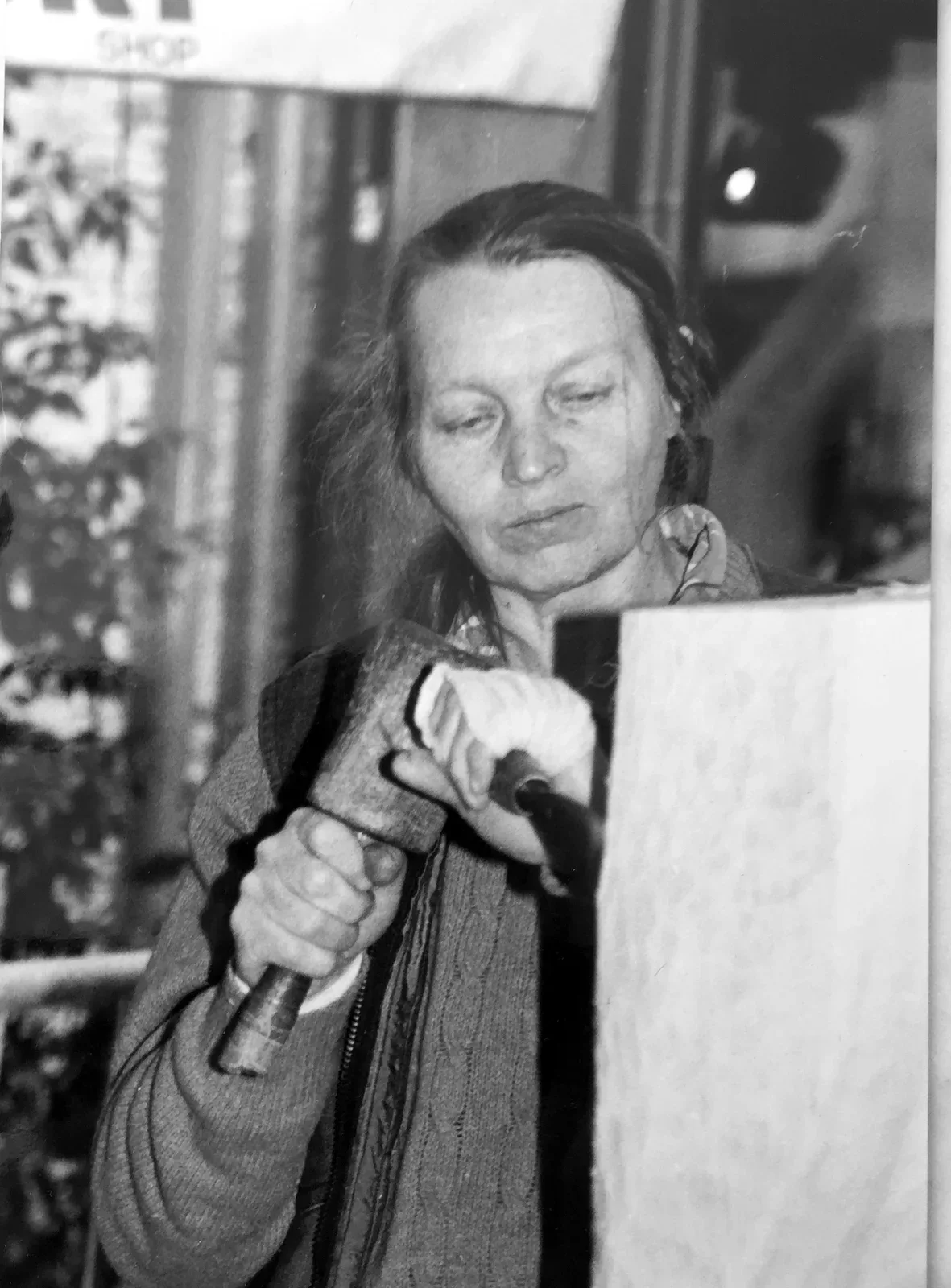
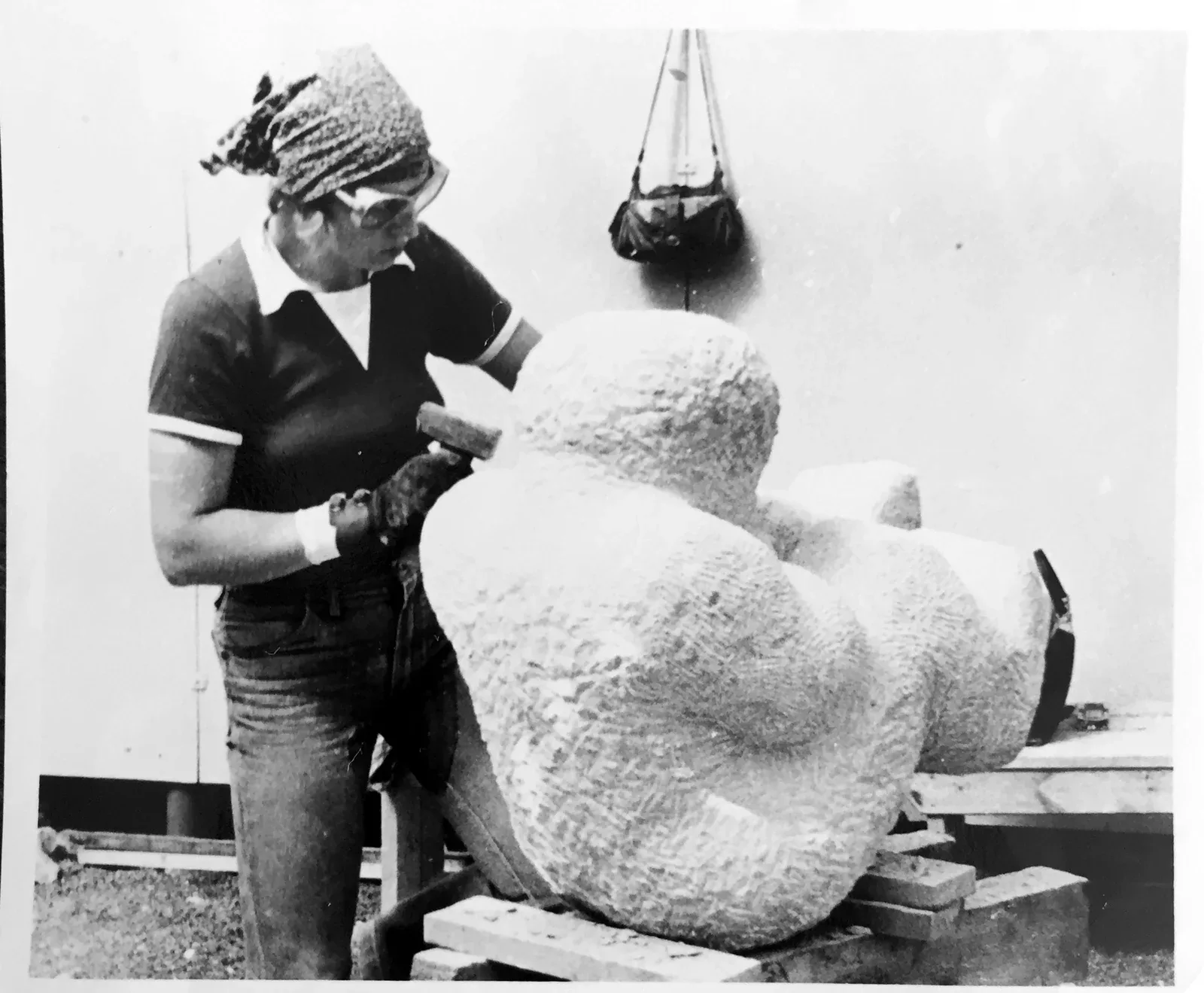
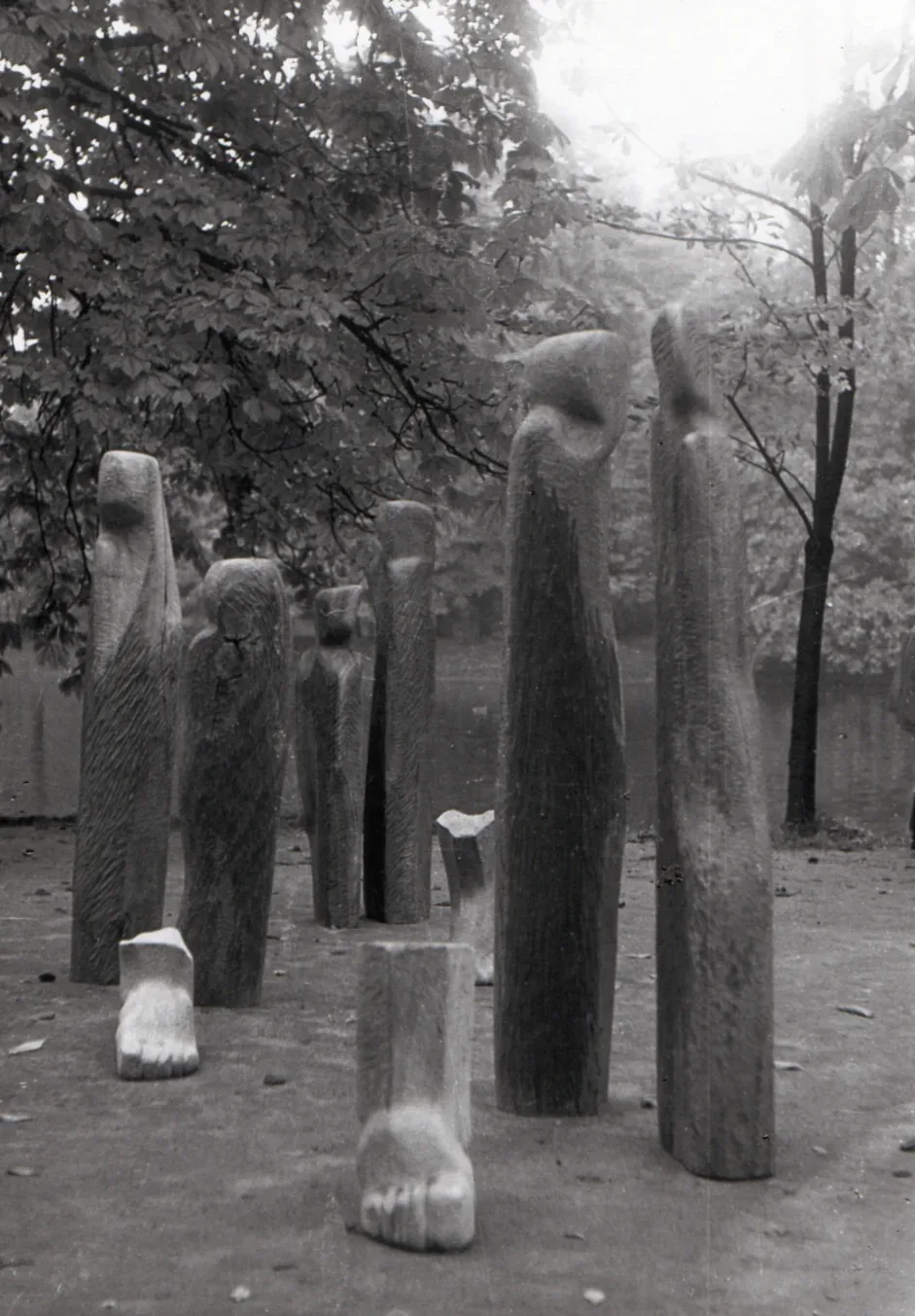
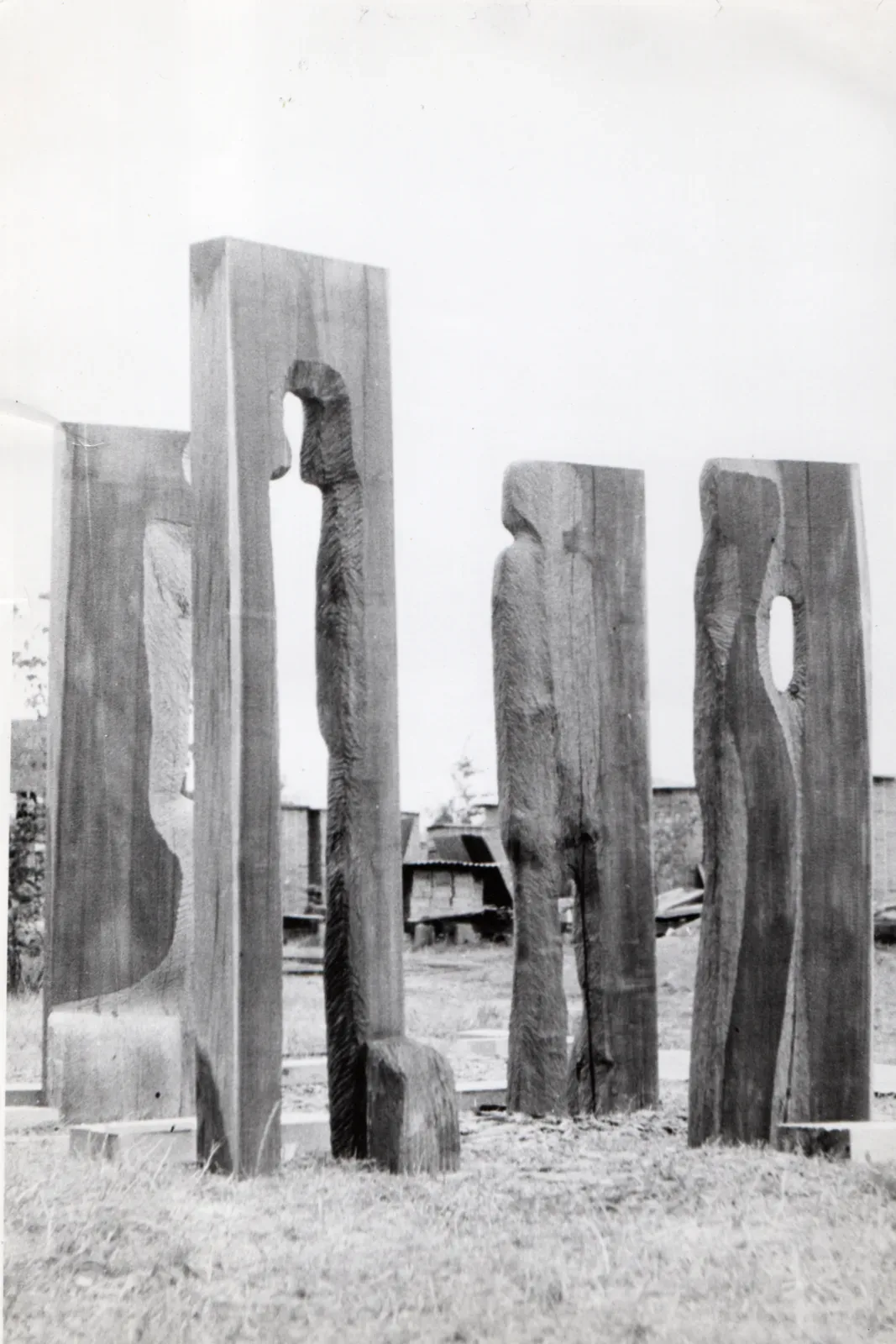
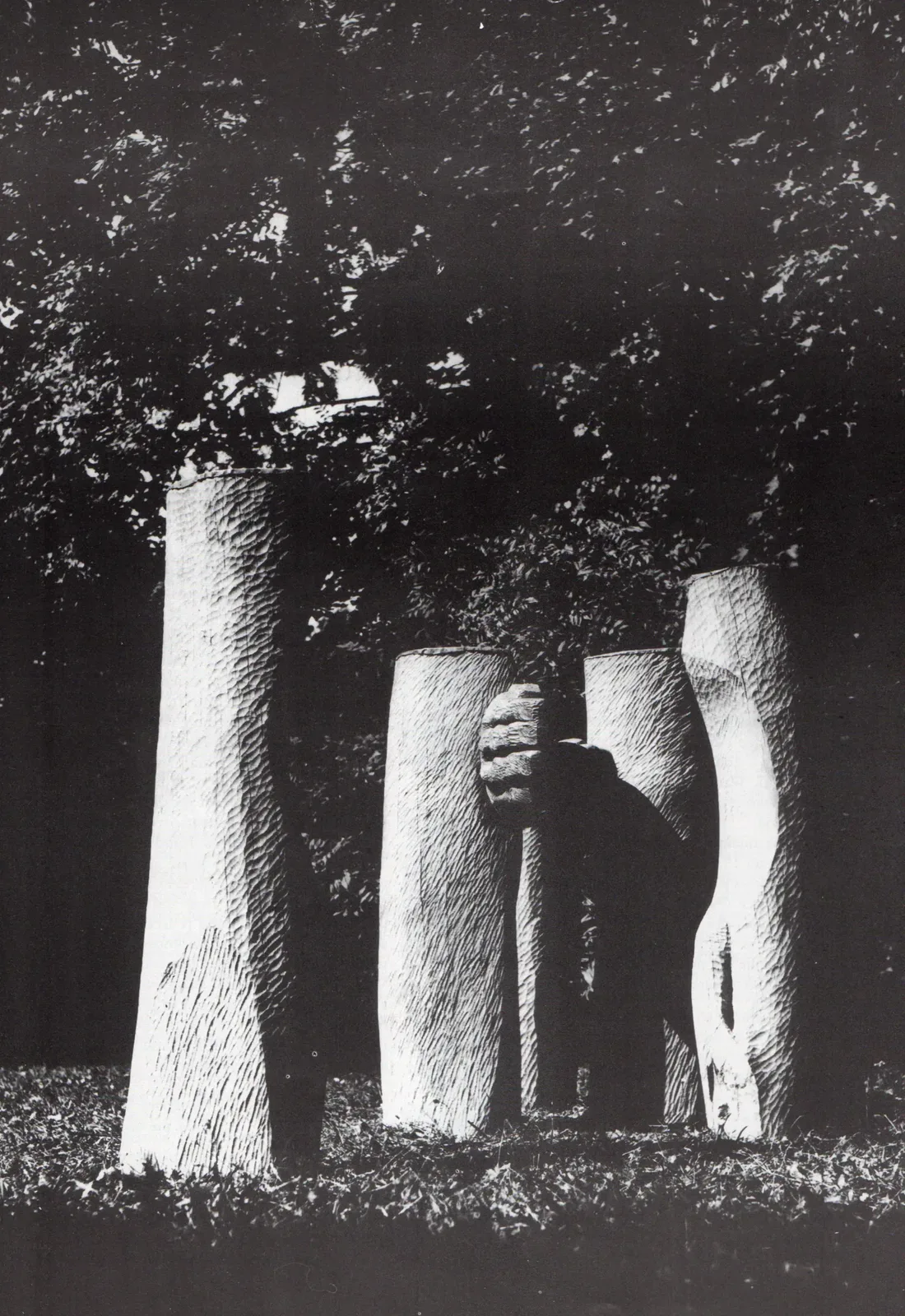
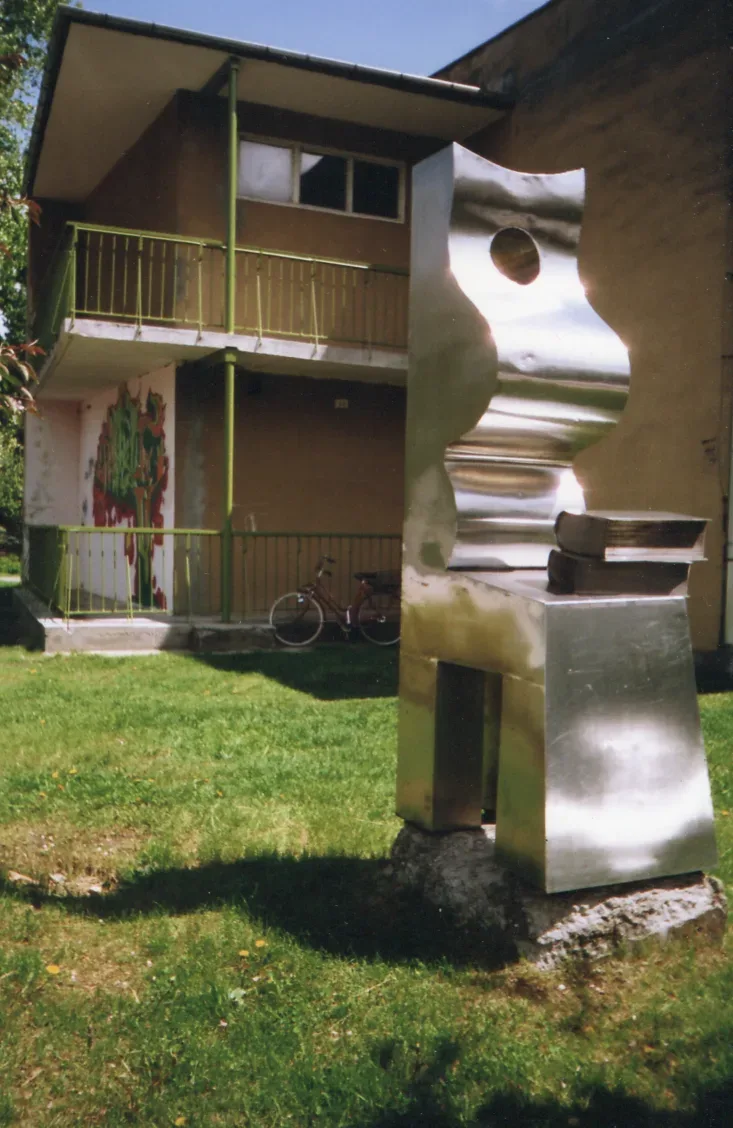
Between 1970 and 1997 she makes more than fifteen monumental sculptures in the open, in parks and at international sculpture symposia. They remain in seven countries, from Poland to Italy.
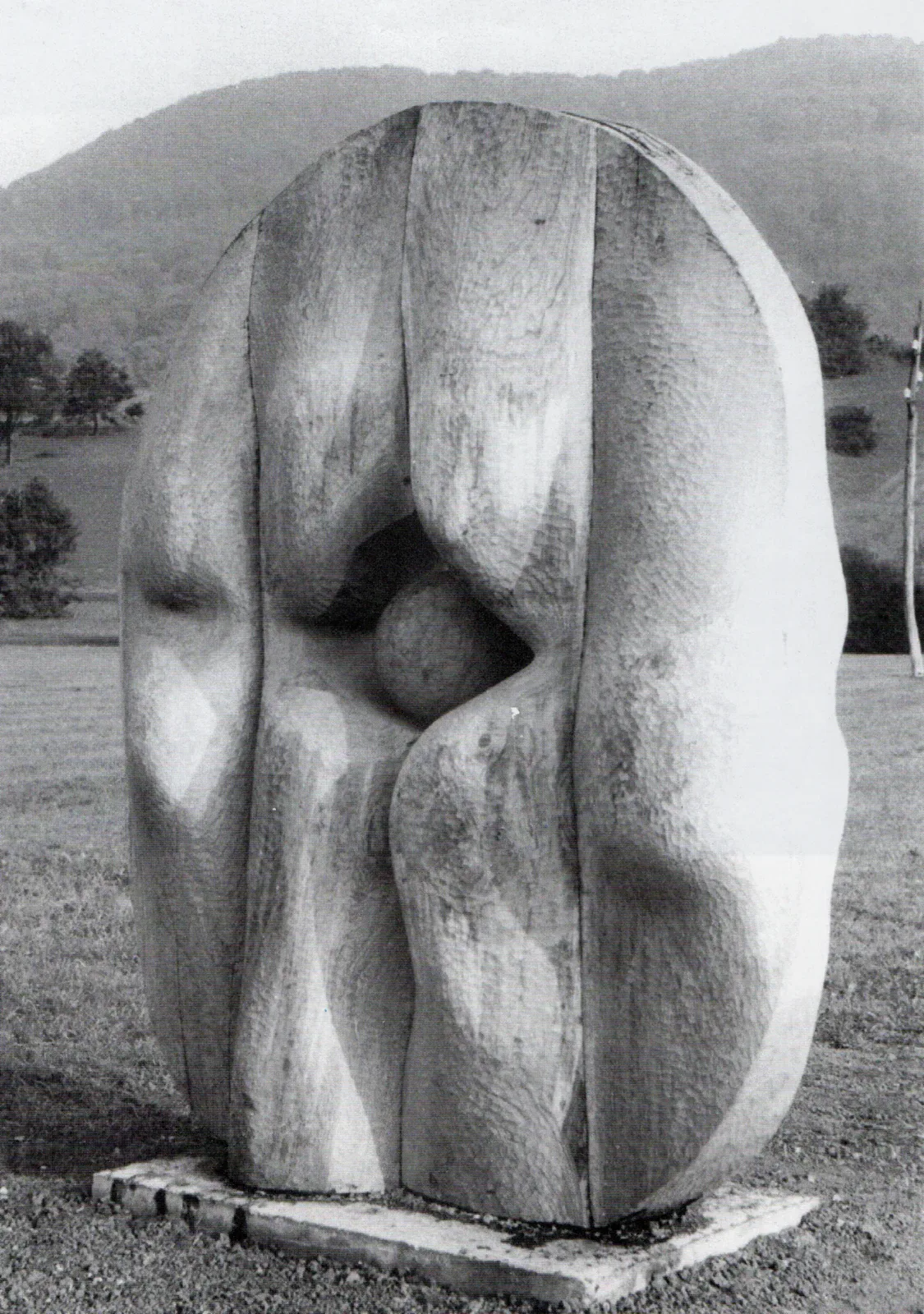 Enter the room →
 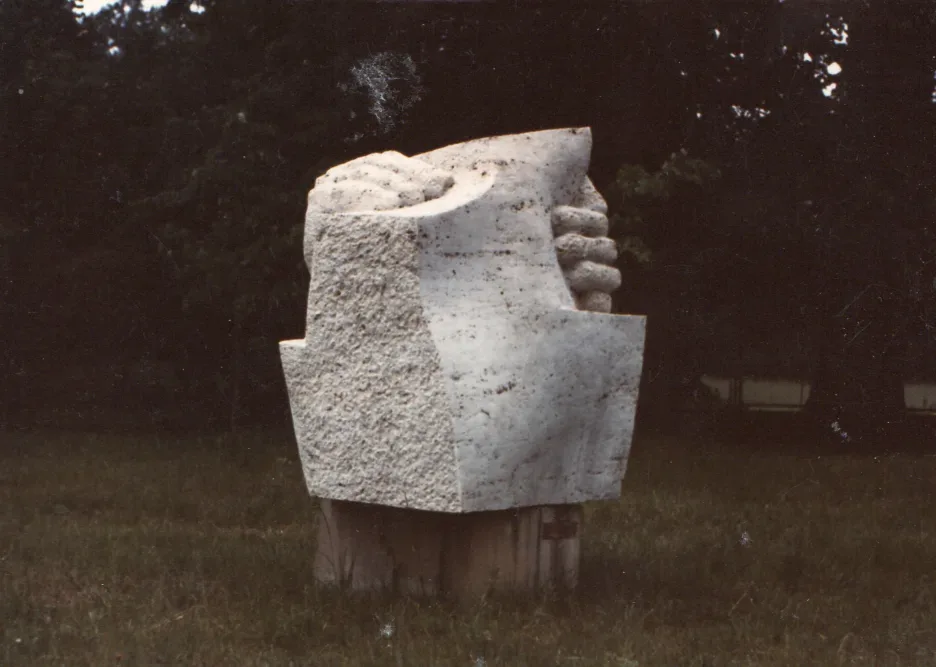 Enter the room →
 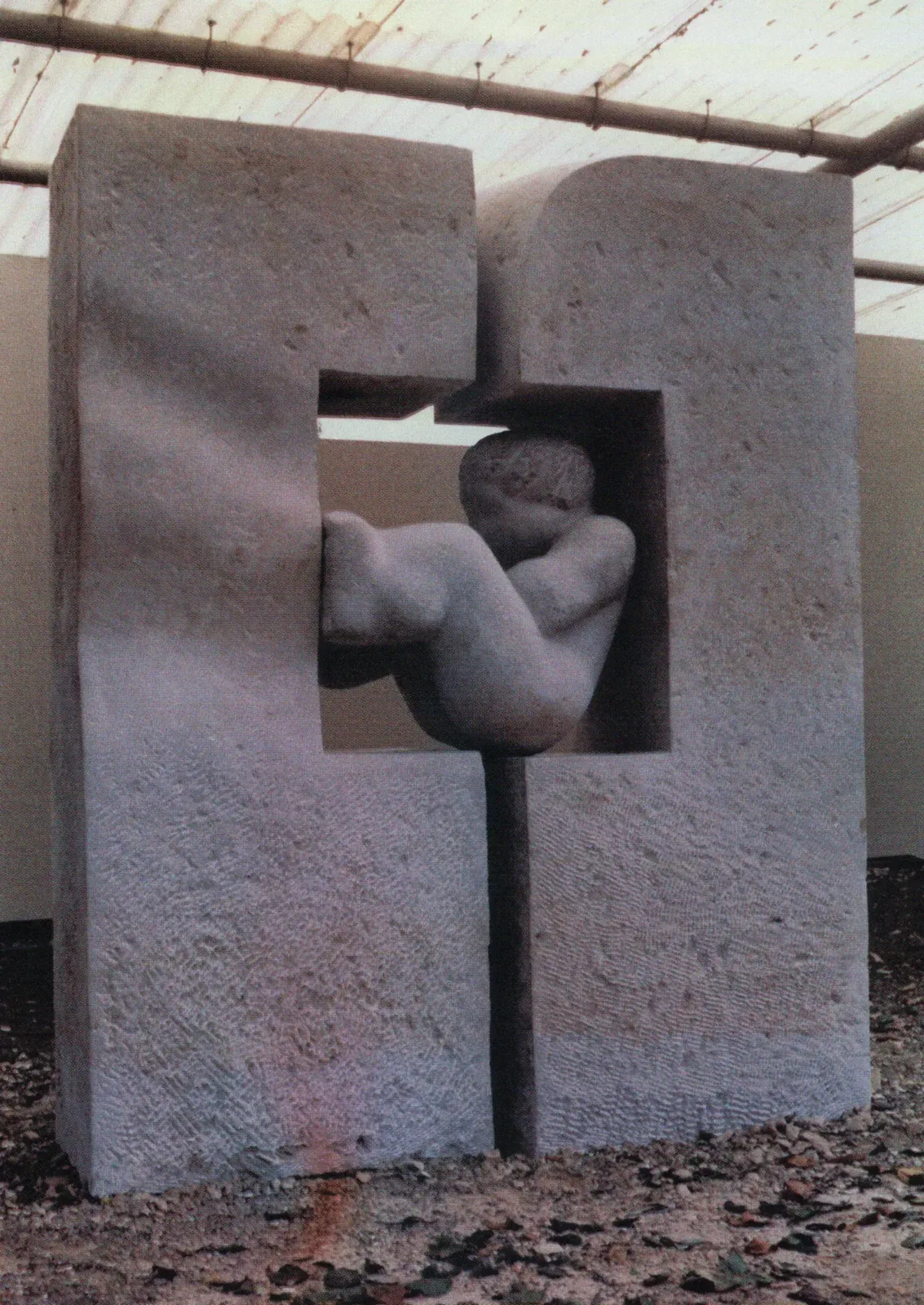 Enter the room →
  Enter the room →
 Poland · Slovakia · Germany · Slovenia · Russia · Austria · Italy
Atlas · under the open sky Twenty-one works, seven countries: a map to travel Open the sectionThe disc, the ovoid, the prism. The series explore different forms and different themes; in many of them the relation between presence and its trace comes back.
The disc as a field of tension: Weeping, Javelin, Recollection, Growth, Approach. Some carry a dedication.
Enter the room →Primary forms made to stand in the open: Ab Ovo in Warsaw, Child for a Moment, Shelter, the two Civilisations.
Enter the room →A face enclosed in a prism; opened, it shows the positive and the negative. The artist calls it «a sarcophagus of our life».
Enter the room →Busts that bring inner states to the surface: Subjective I and II, Torn, Merged.
Enter the room →Multi-element compositions in wood: Hiroshima, Exile, On the Threshold of Life, Hands.
Enter the room →Tombs designed on commission for more than twenty years, and the two works of 1982 for Emil Barchański: the bronze and the stone.
Enter the room →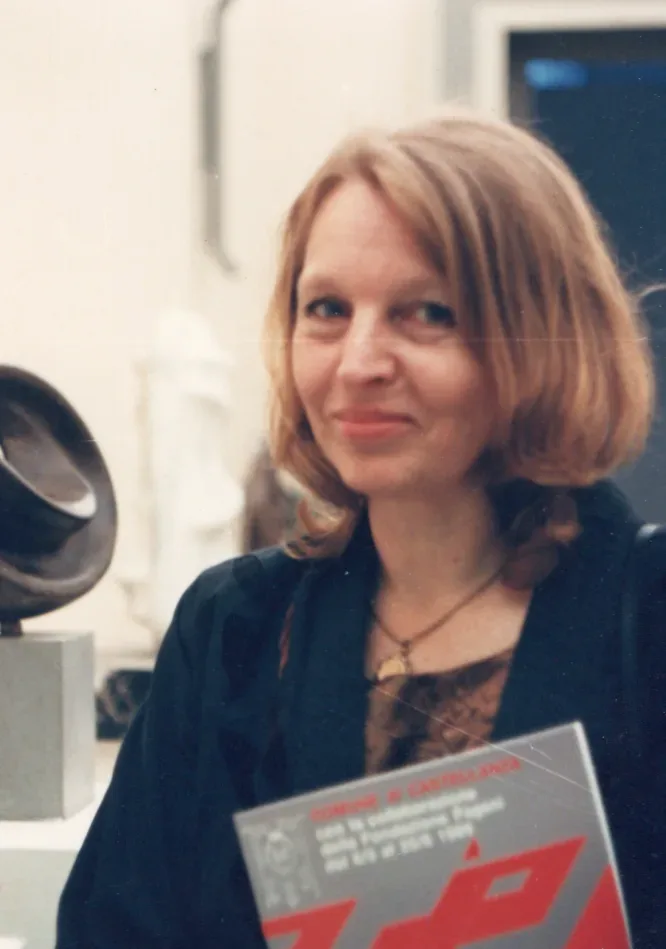
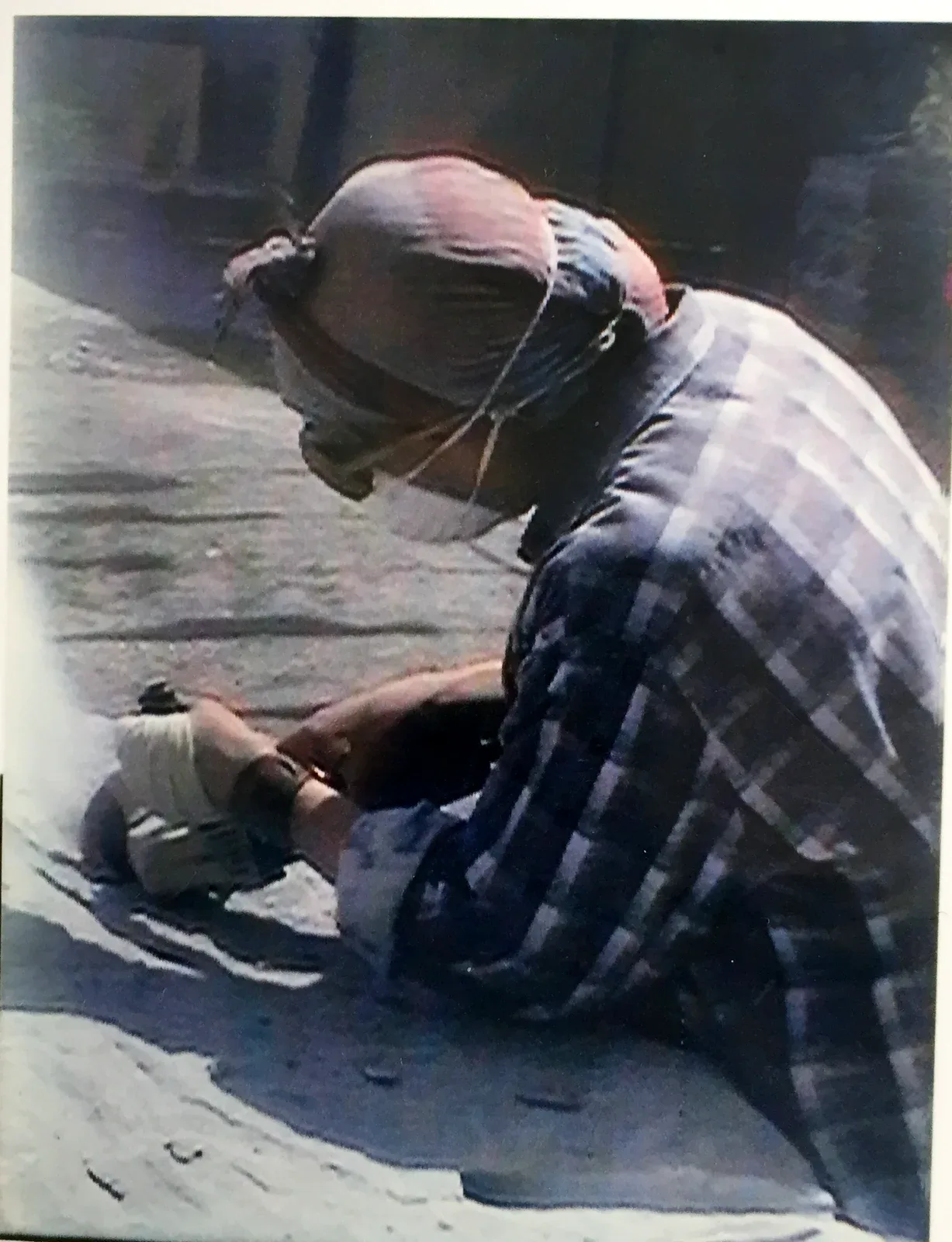
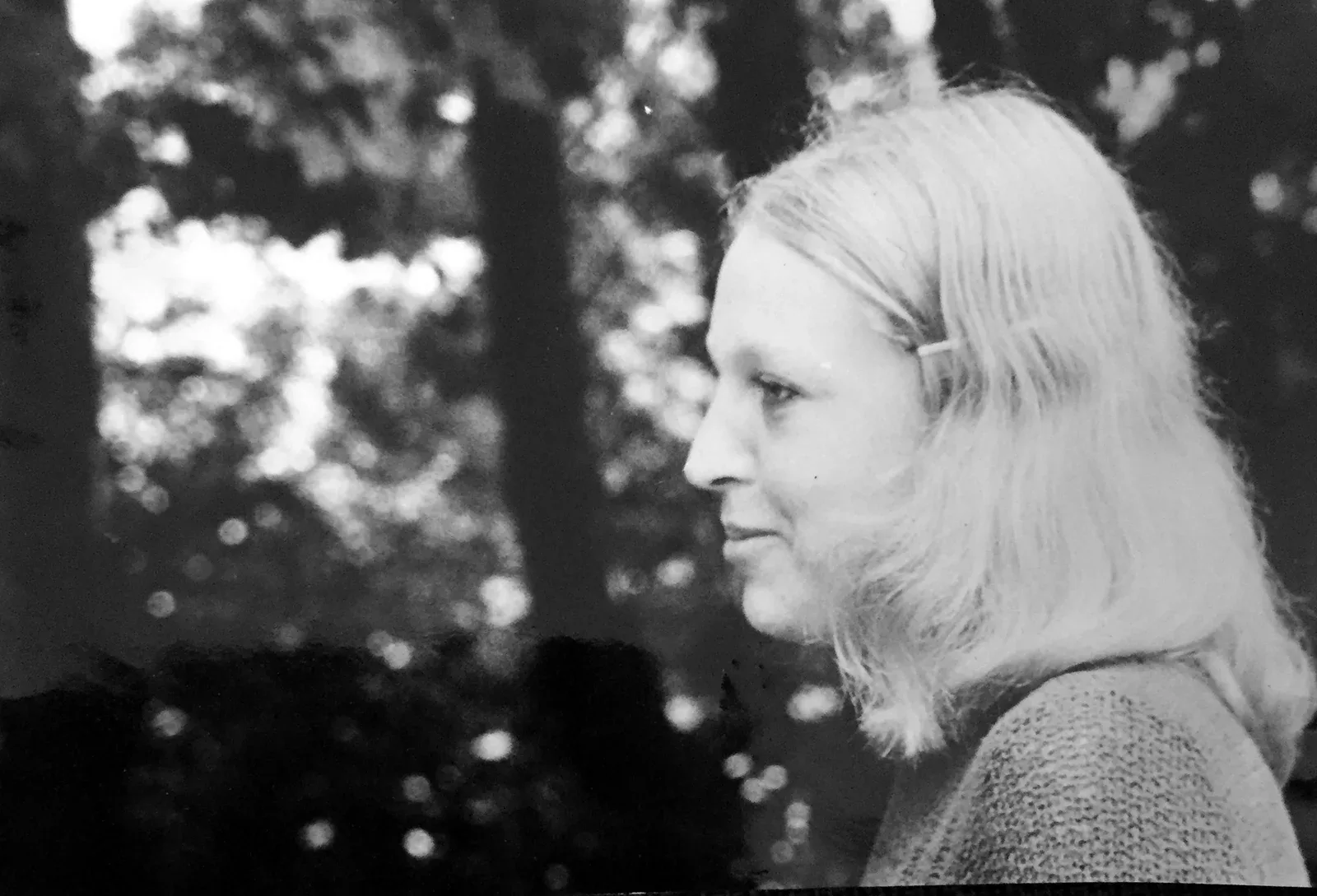
Born in Vilnius in 1942, she graduated with distinction in 1966 from the Academy of Fine Arts in Warsaw, in the studio of Marian Wnuk. She worked in stone, wood and bronze, from the medal to the monument; alongside sculpture, she painted and drew.
Her language is anthropocentric and proceeds by metaphor, abbreviation and understatement. She worked between her Warsaw studio and the house at Kotuń, near Siedlce.
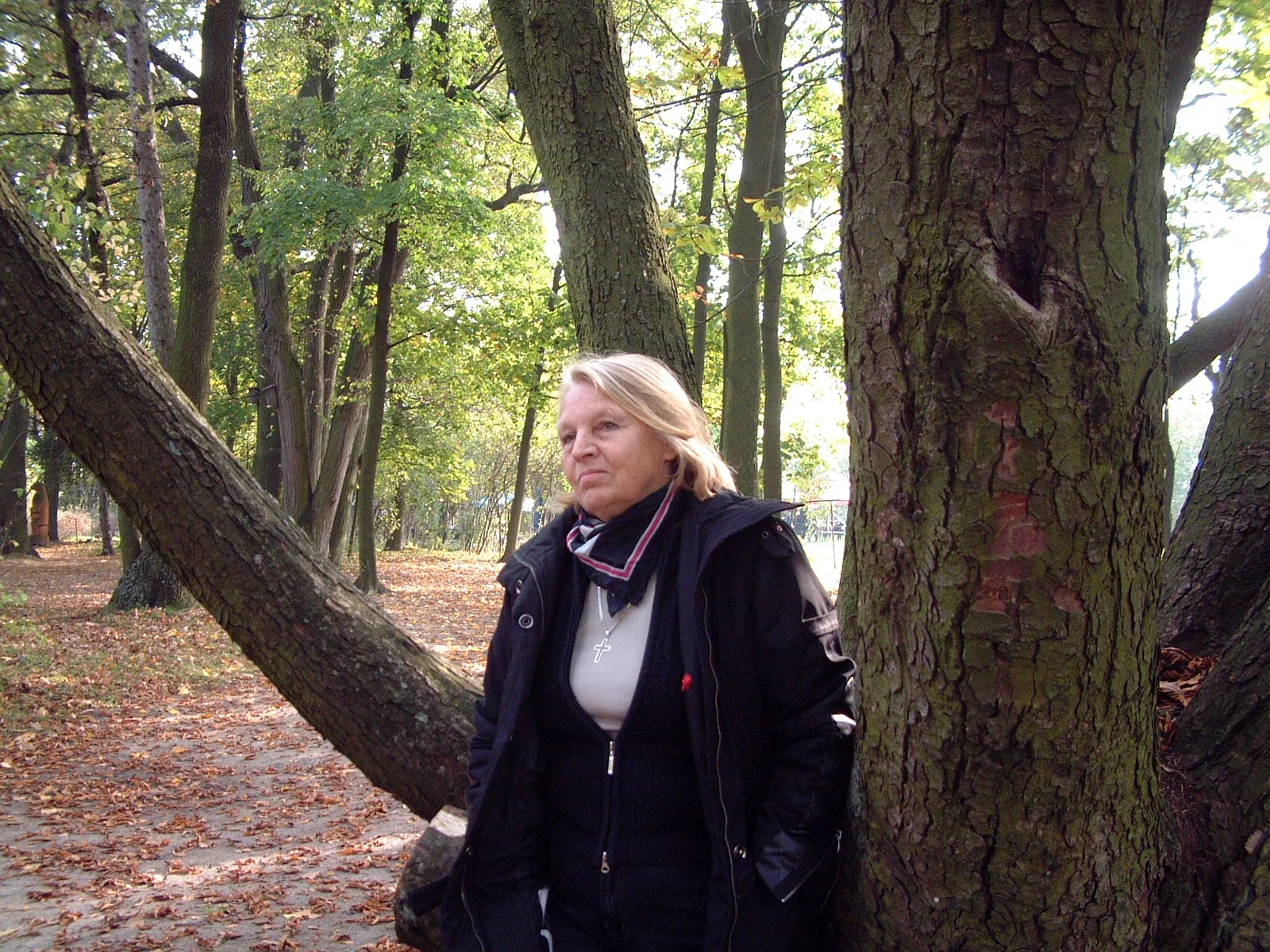
The main group is at the Muzeum Regionalne in Siedlce; other sculptures are at the Centrum Rzeźby Polskiej in Orońsko and at the Muzeum Regionalne in Stalowa Wola. Others stand in the open, in the parks and squares of seven countries, or in private collections in Europe and the United States.
Write to the archiveFor more about the works, their images and the exhibitions: [email protected]