The works,
one by one.
Wood, bronze and stone; then the pastels and the watercolours. Here the works of the archive can be leafed through one by one: each entry opens a page with the year, the material, the dimensions and the place where the work is kept.
The monographic rooms
The works around which the archive has been built: the great wooden pieces, the stones carved at open-air symposia, the public monuments. Each has its own room, with the story, the worksite and the documents.
- AW.S.0062
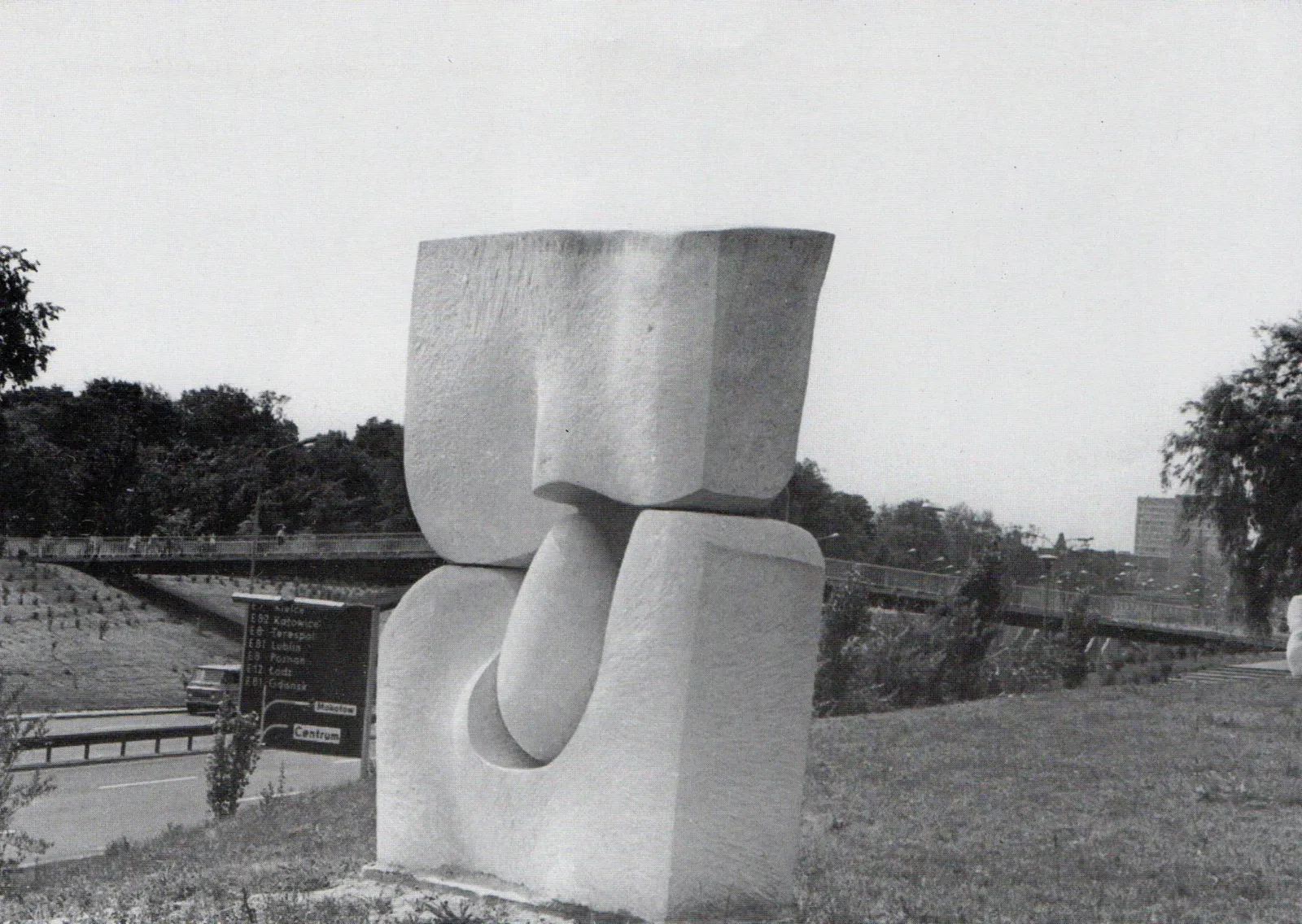
„Ab Ovo”
1975 · limestone Monographic room - AW.S.0034
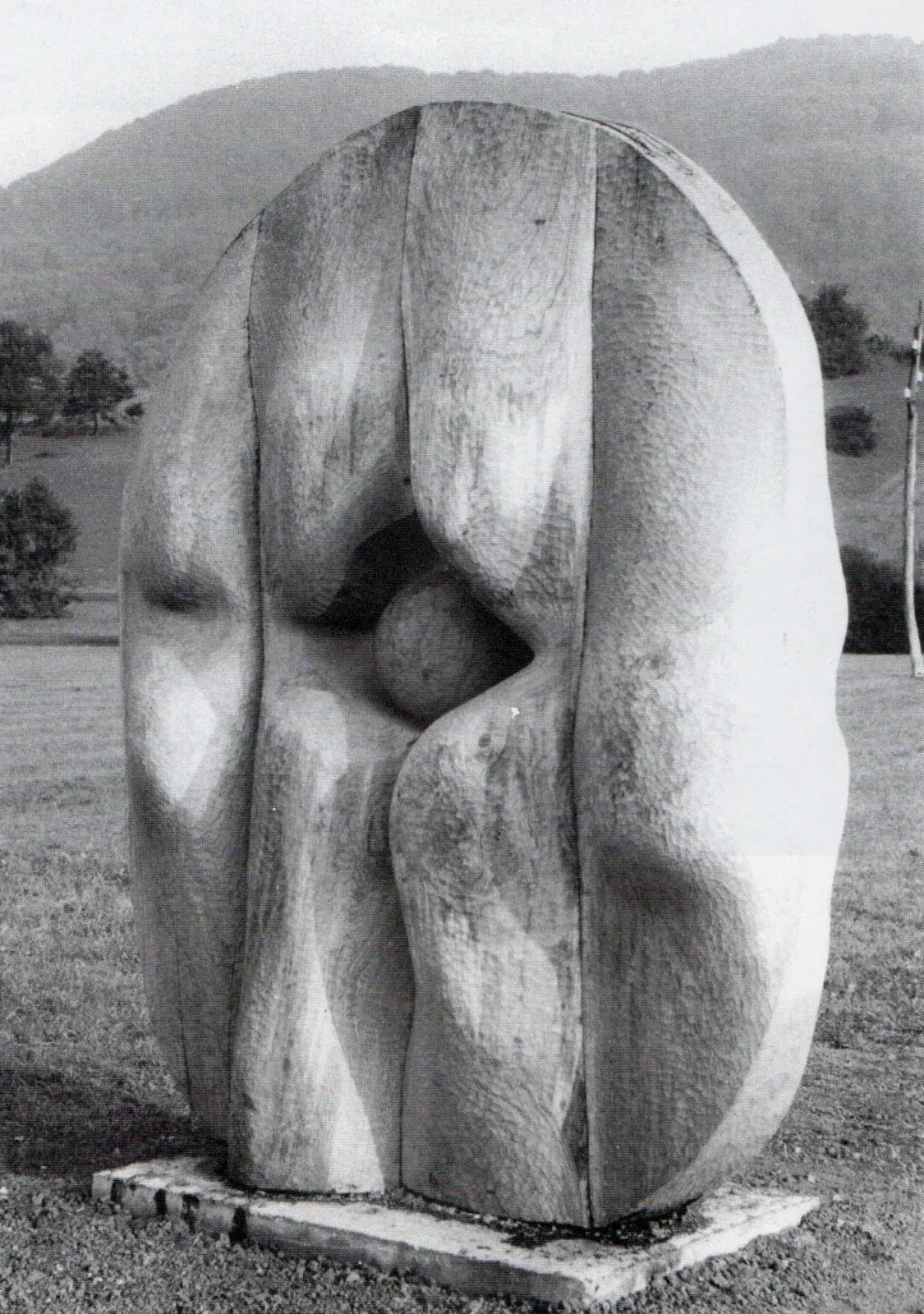
Sfera
Sphere 1976 · oak Monographic room - AW.S.0040
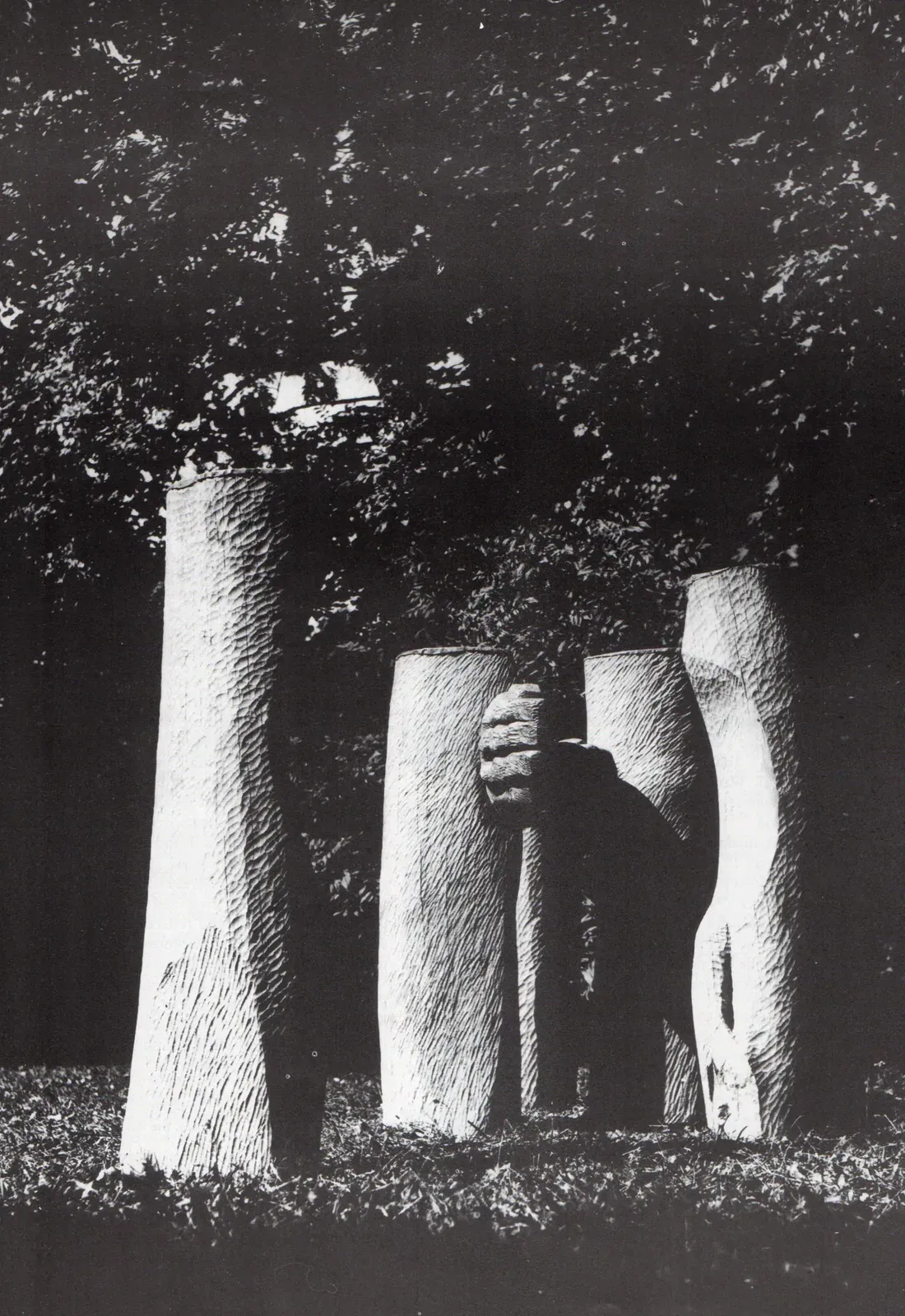
Ręce
Hands 1971 · oak Monographic room - AW.S.0037
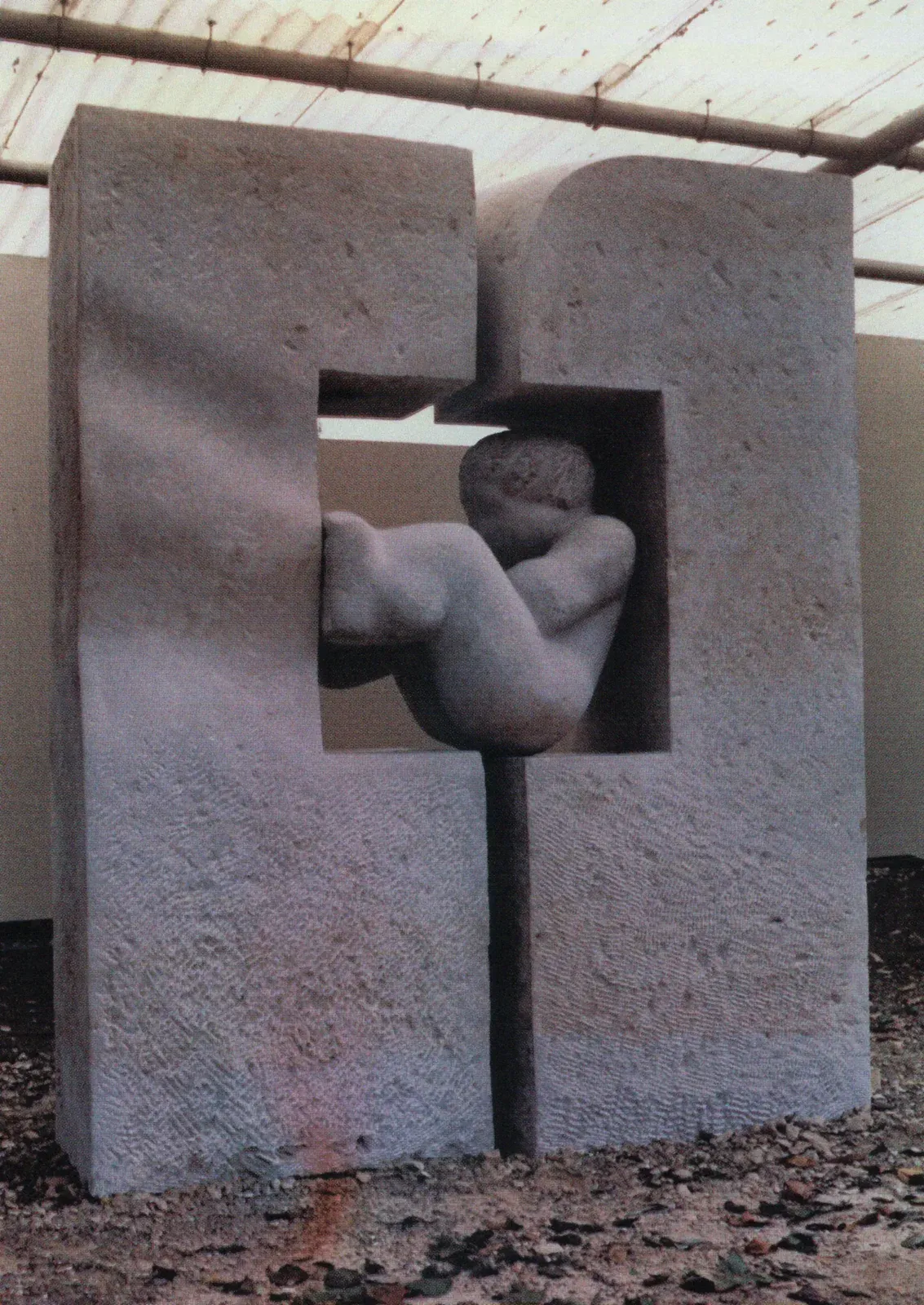
Cywilizacja I
Civilisation I 1977 · sandstone Monographic room - AW.S.0028
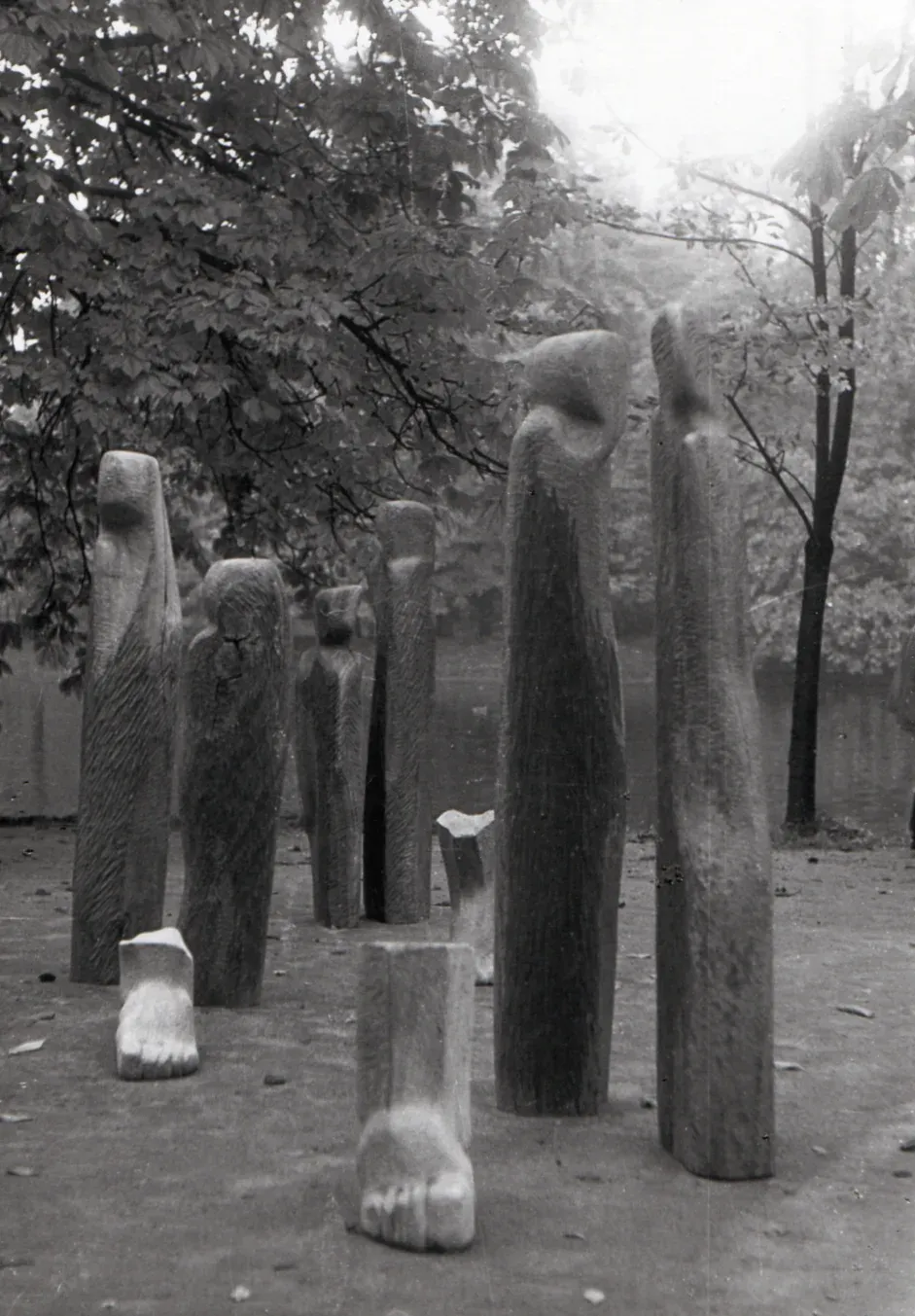
Wygnanie
Exile 1968 · mahogany, elm Monographic room - AW.S.0019
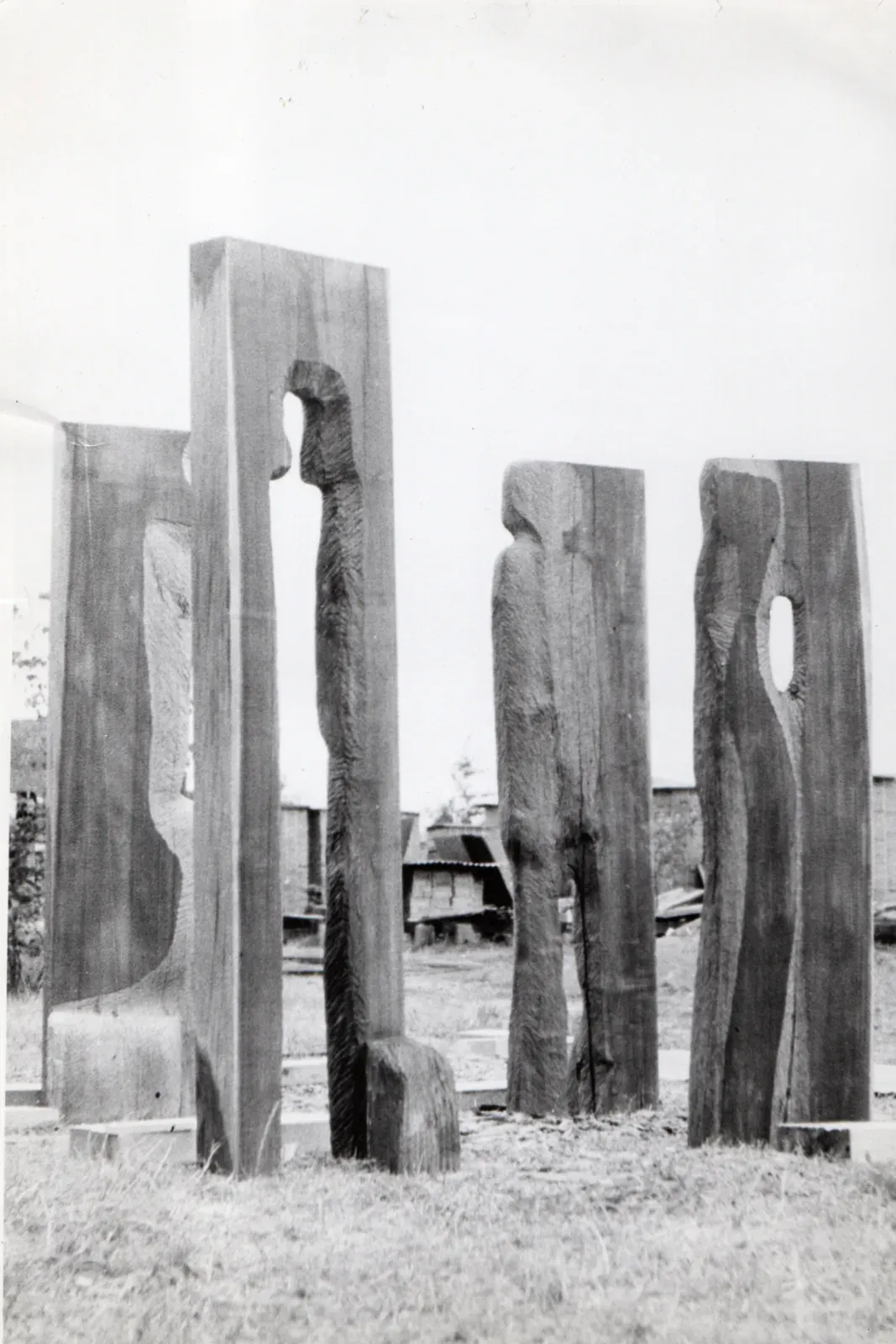
Hiroszima
Hiroshima 1969 · walnut Monographic room - AW.S.0010
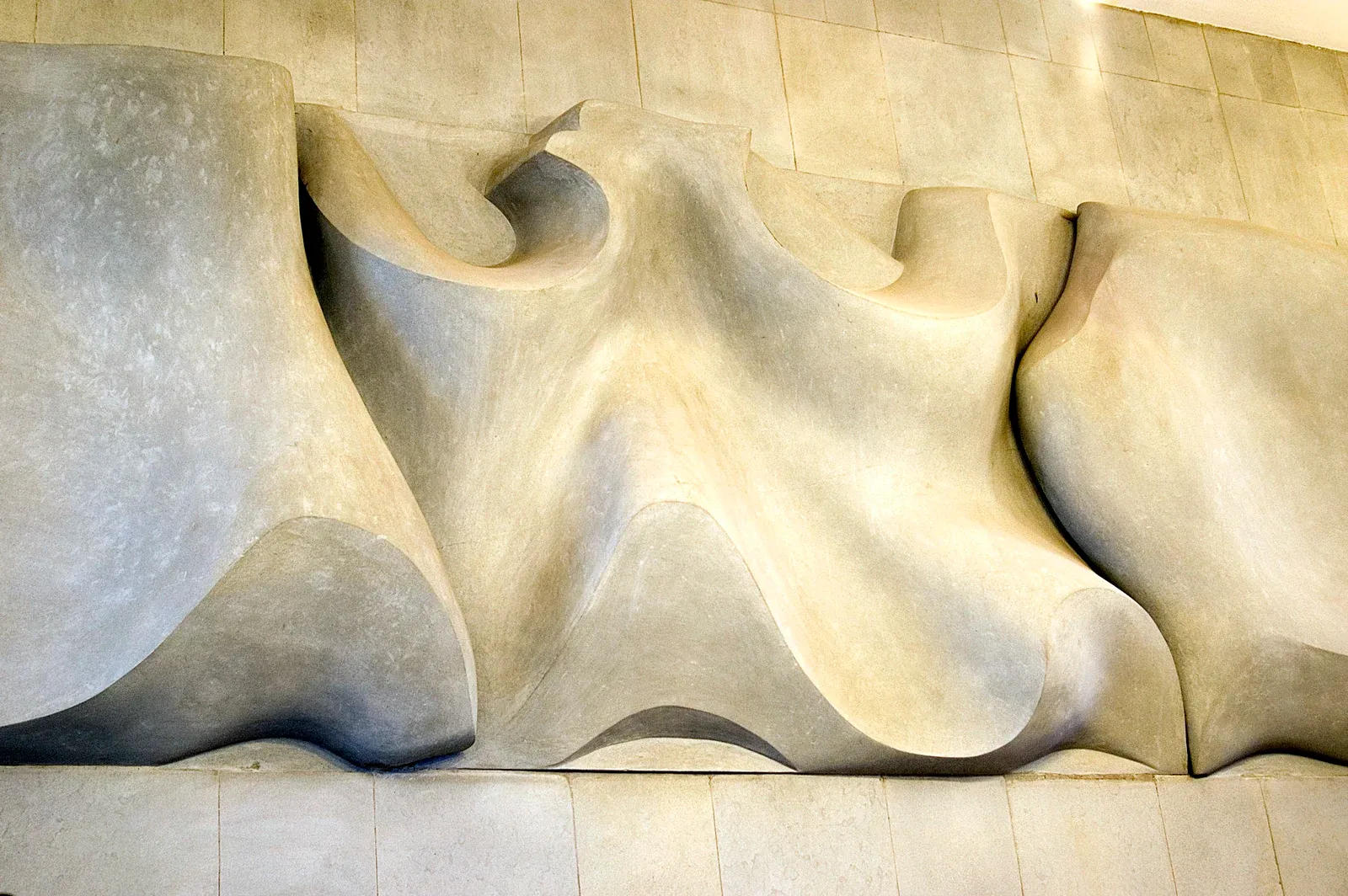
Orzeł
Eagle 1978 · Brenna sandstone Monographic room - AW.S.0043
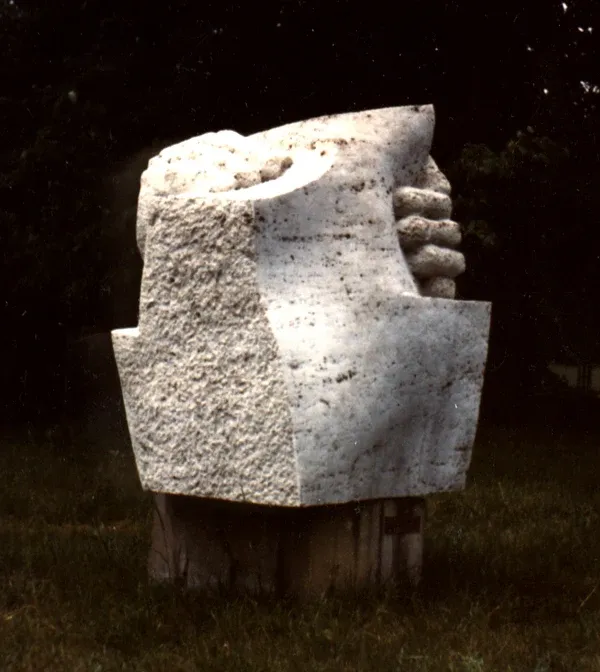
Zmaganie
Struggle 1982 · travertine Monographic room - AW.S.0068
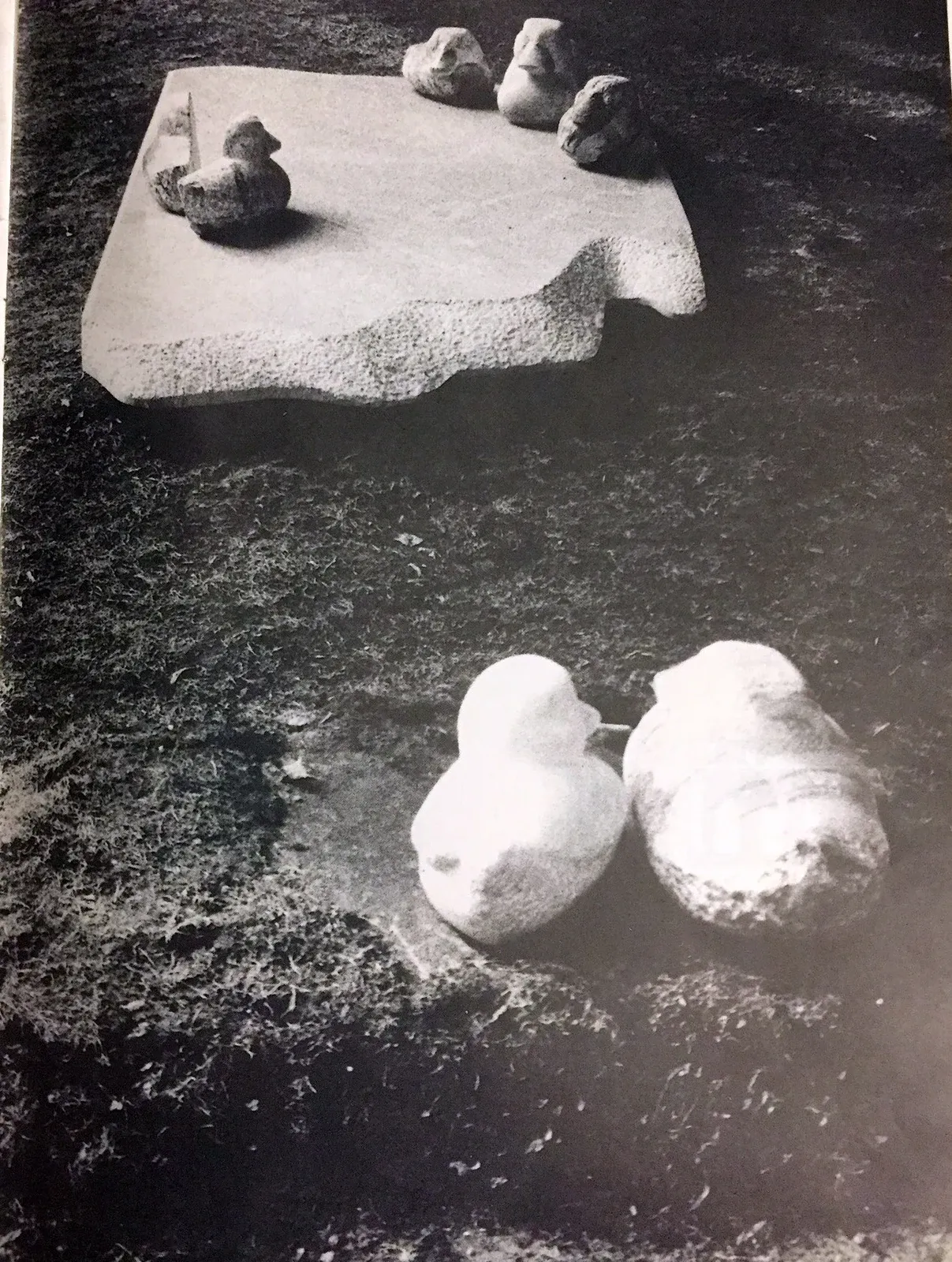
SoS-Natura
S.O.S. Nature 1992 · Krastal marble, smoky quartz, Gummern marble Monographic room - AW.S.0044
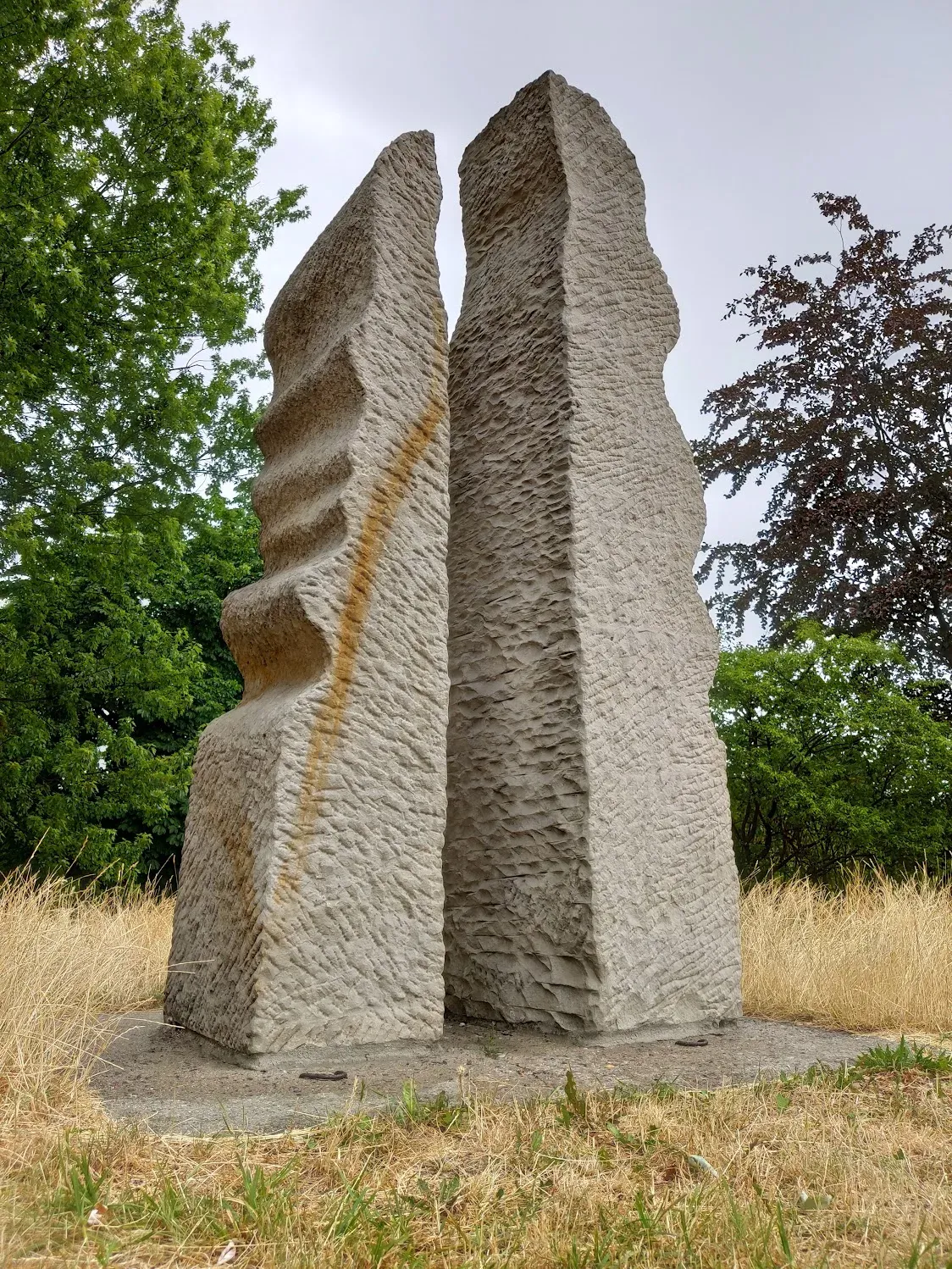
Etiuda
Étude 2010 · sandstone Monographic room - AW.S.0018
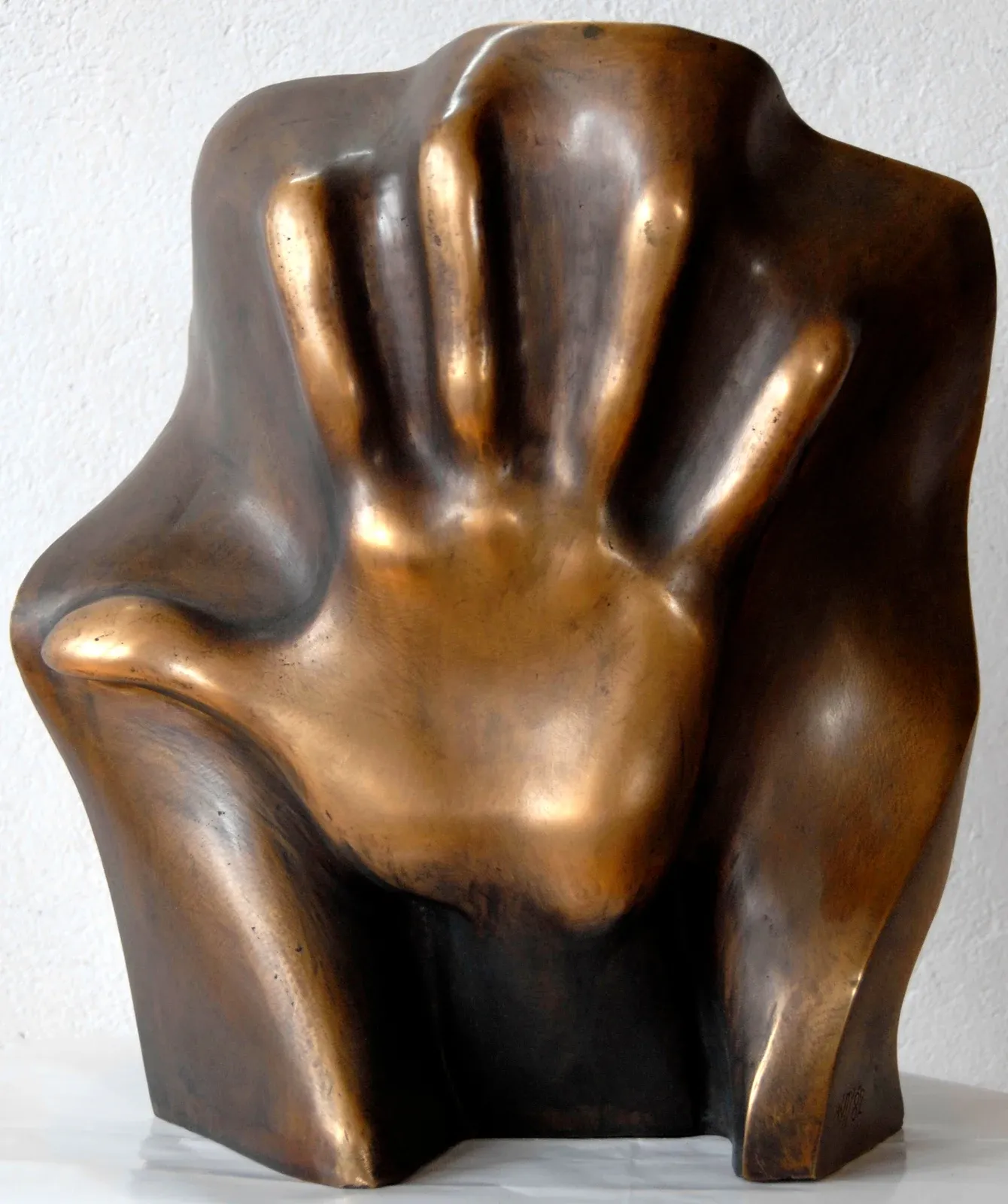
Pamięci Emila „B”
In memory of Emil B. 1982 · bronze Monographic room - AW.S.0118
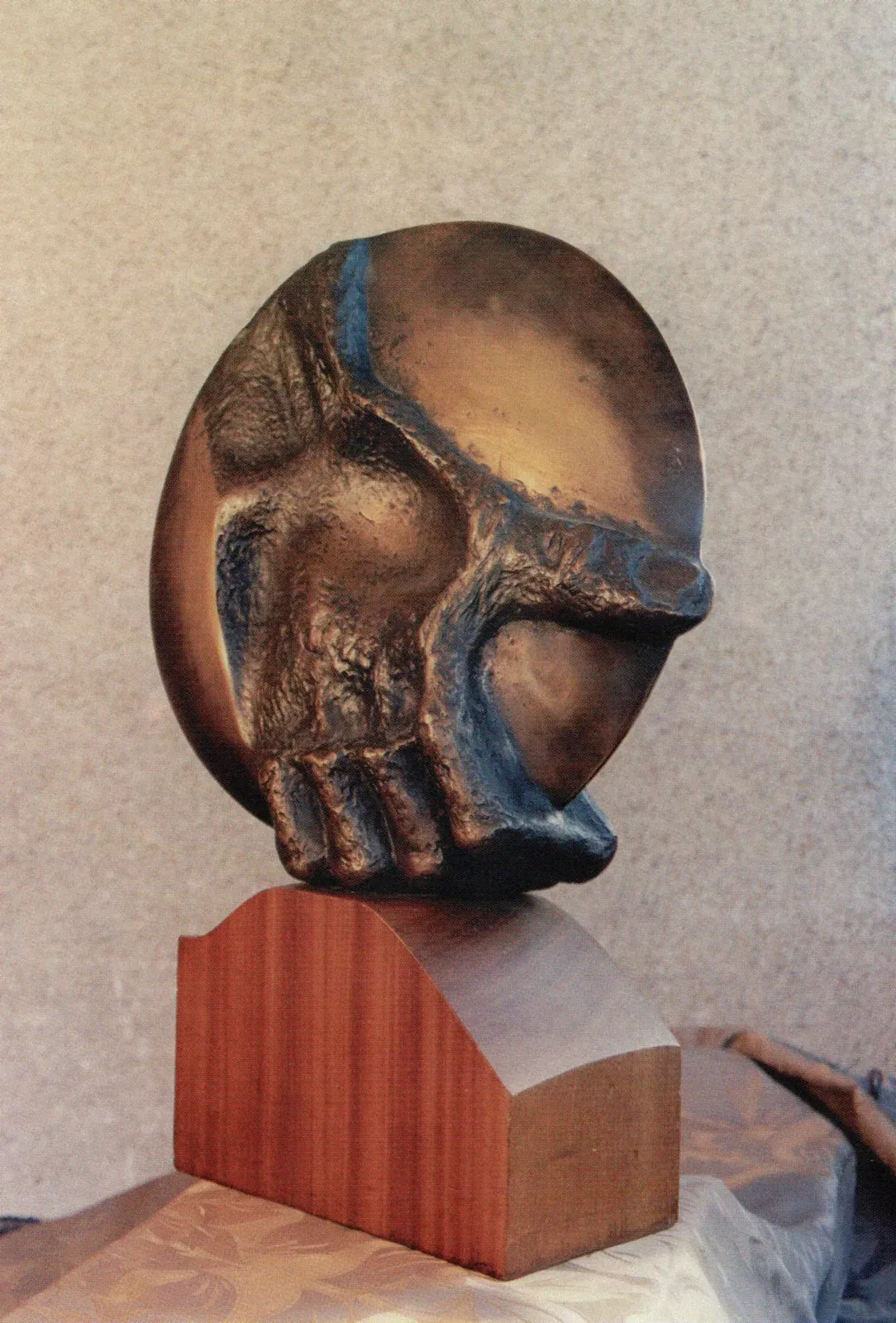
Dyskobol
Discobolus 1976 · bronze, mahogany Monographic room - AW.S.0021
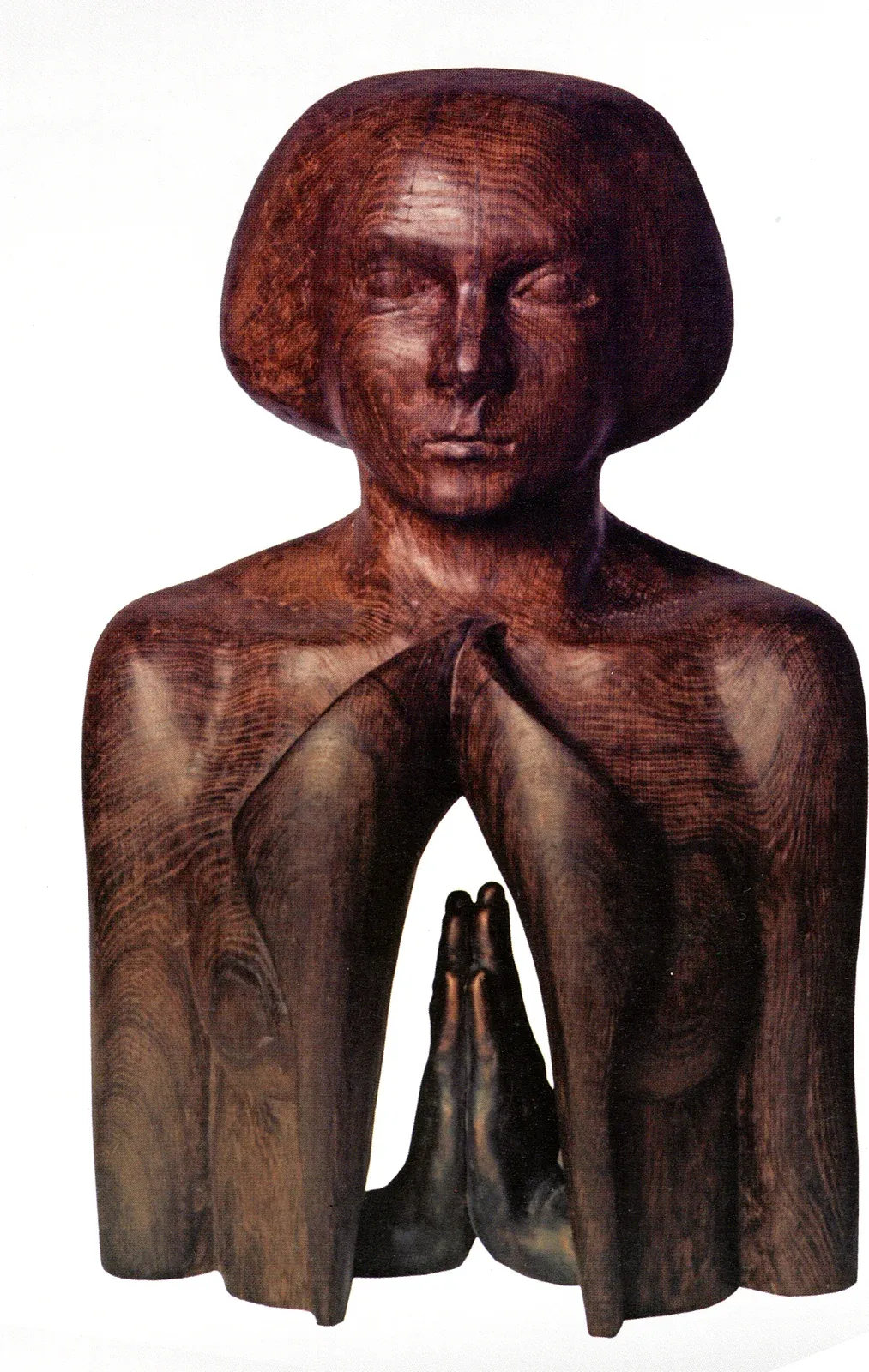
Skupienie
Recollection 1986–87 · black oak, bronze Monographic room - AW.S.0033
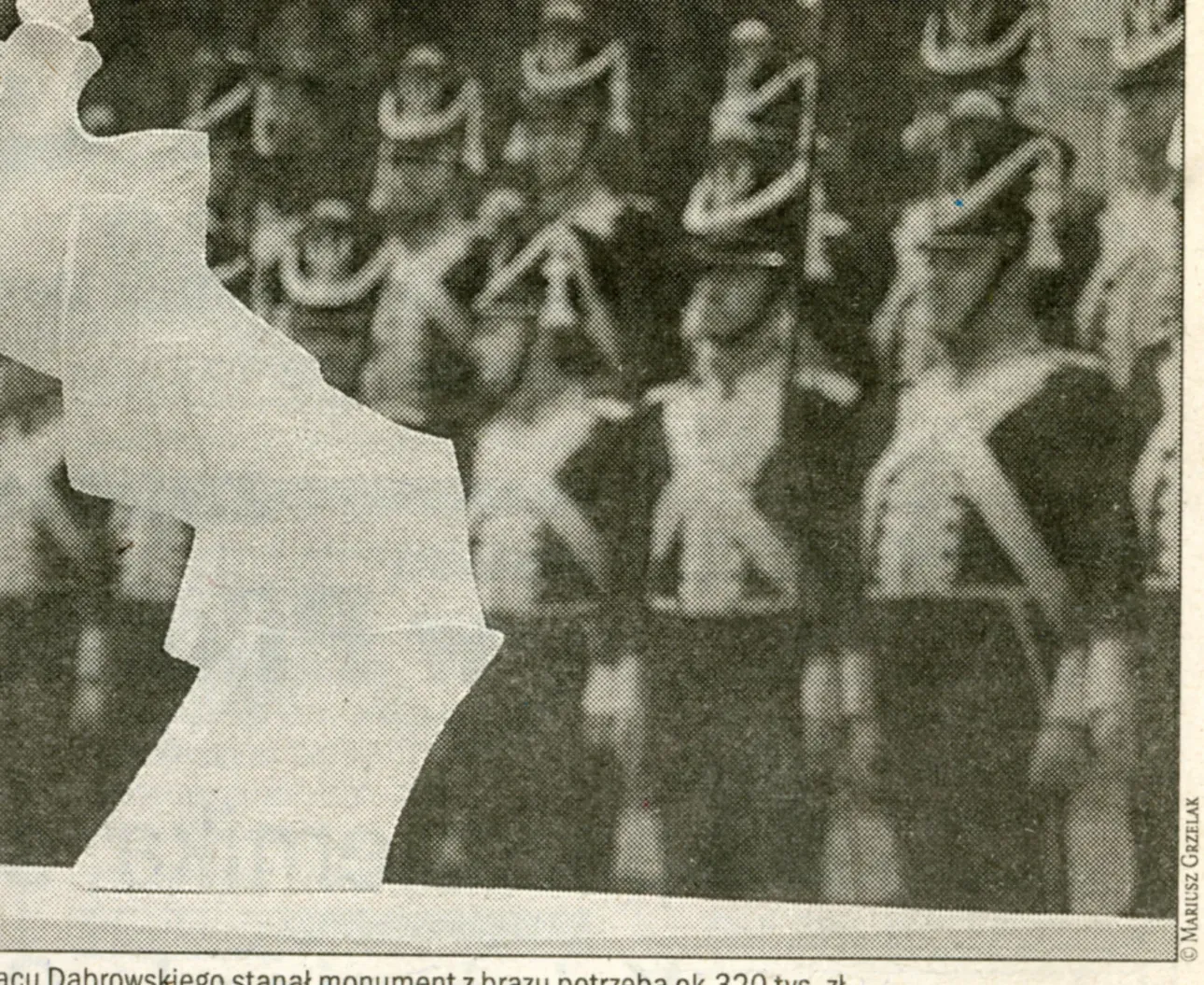
Pomnik Hymnu Narodowego
Monument to the National Anthem 1999 · bronze (project); granite base Monographic room - AW.S.0096
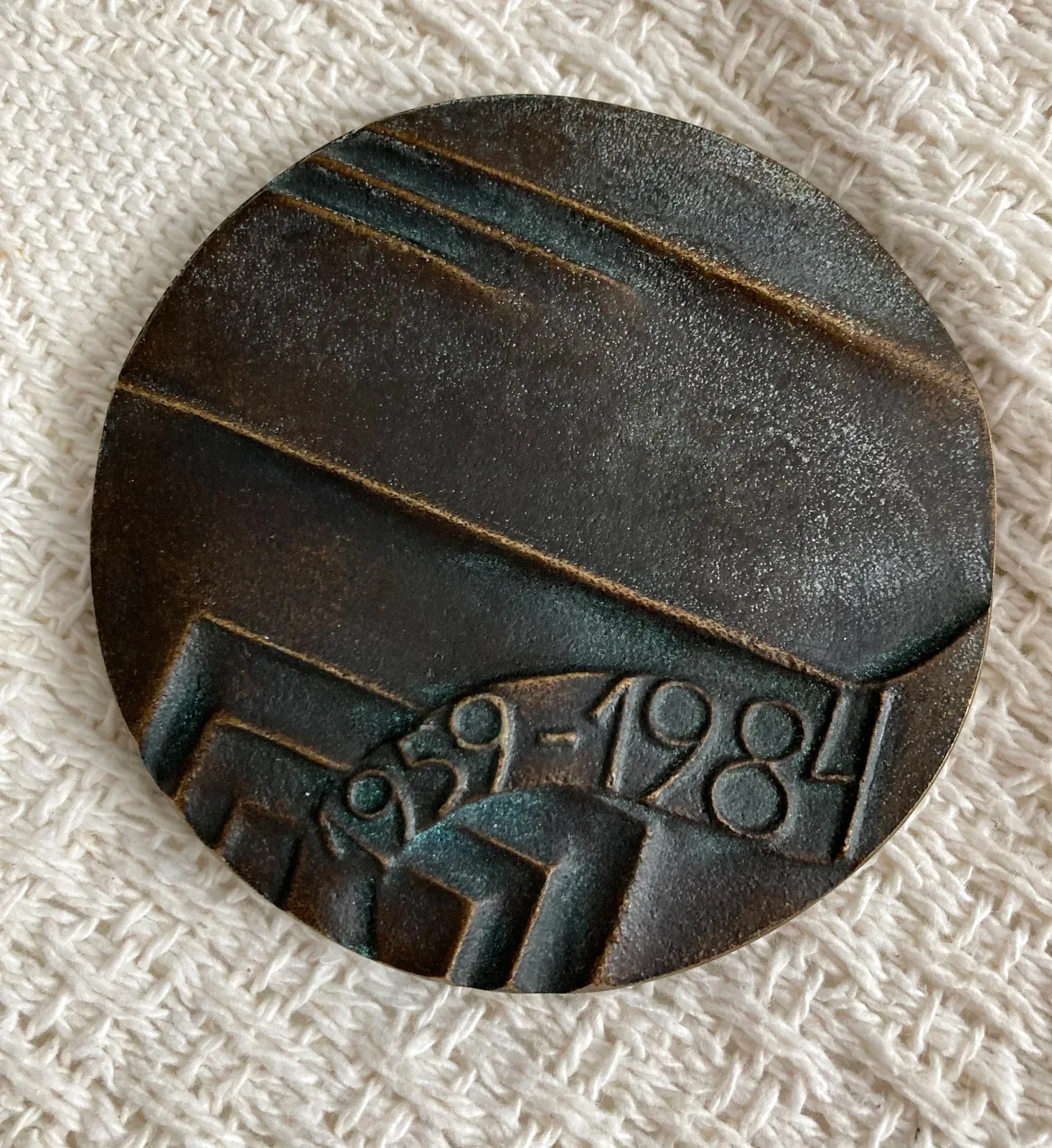
Medal 25 lat TPSP
Medal for the 25 years of the TPSP 1984 · bronze Monographic room - AW.S.0041
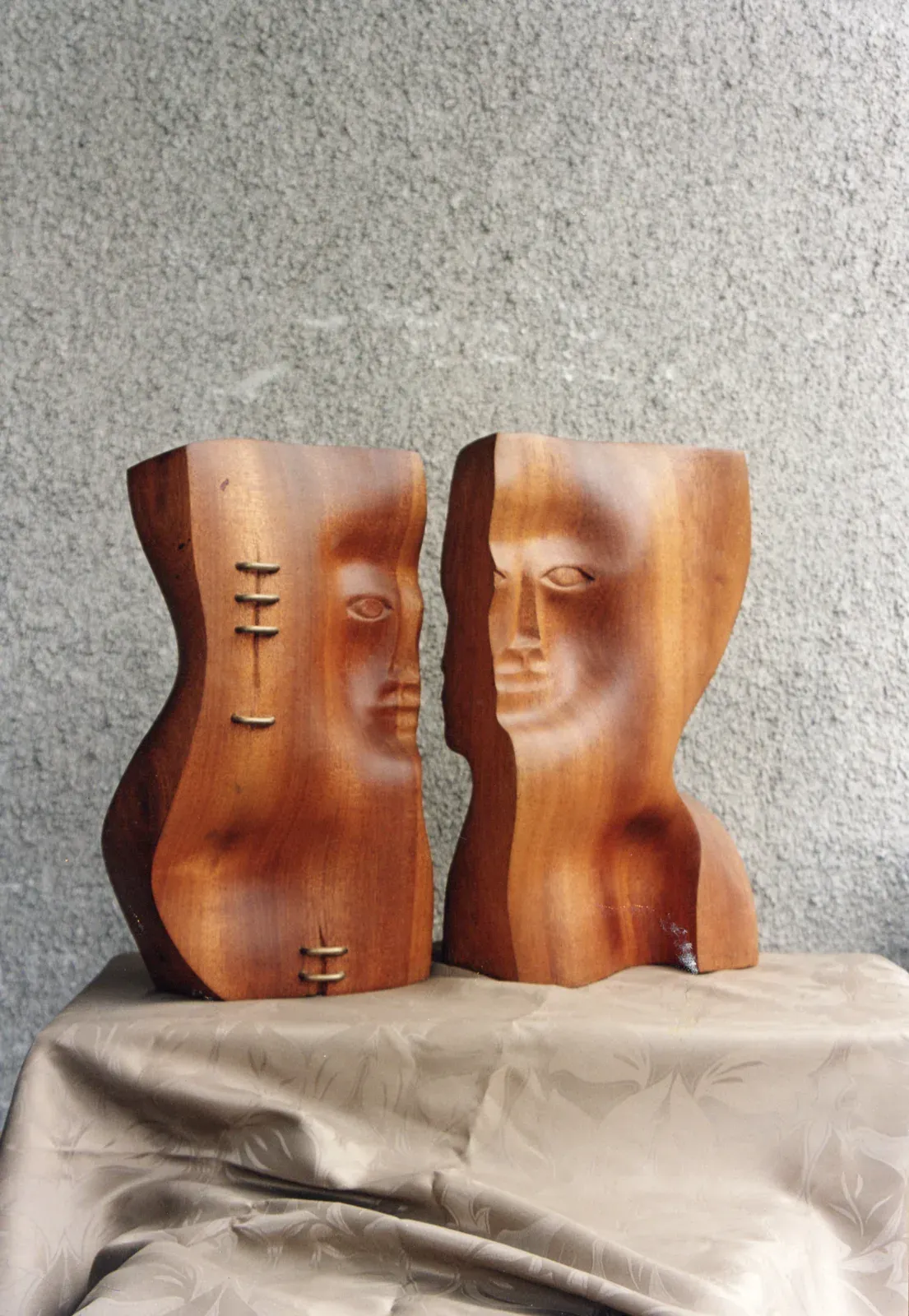
Kolejne odbicia
Further reflections 1989 · mahogany Monographic room - AW.S.0011
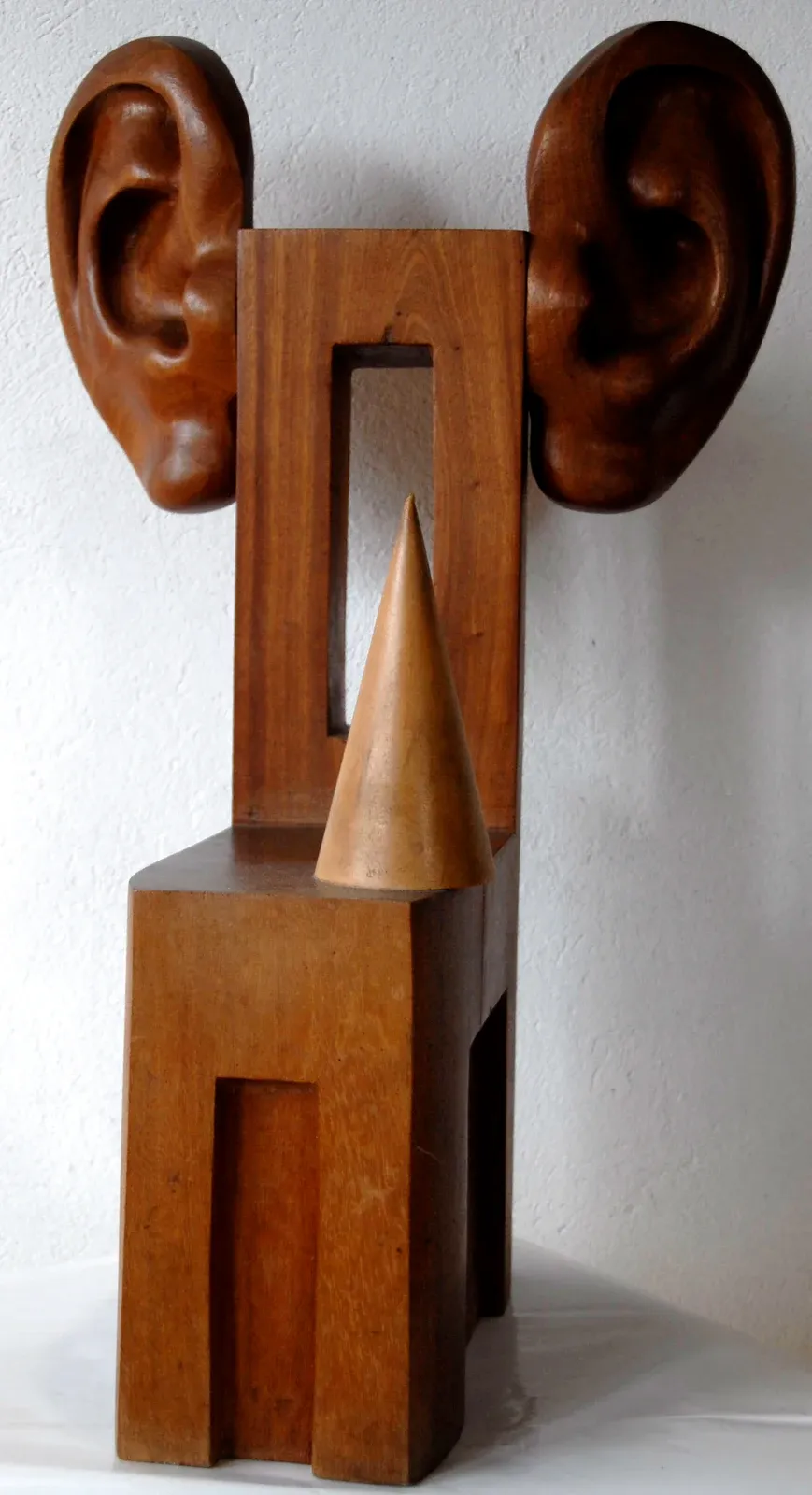
Sen nocy letniej
A midsummer night’s dream 1977 · mahogany, maple Monographic room - AW.S.0113
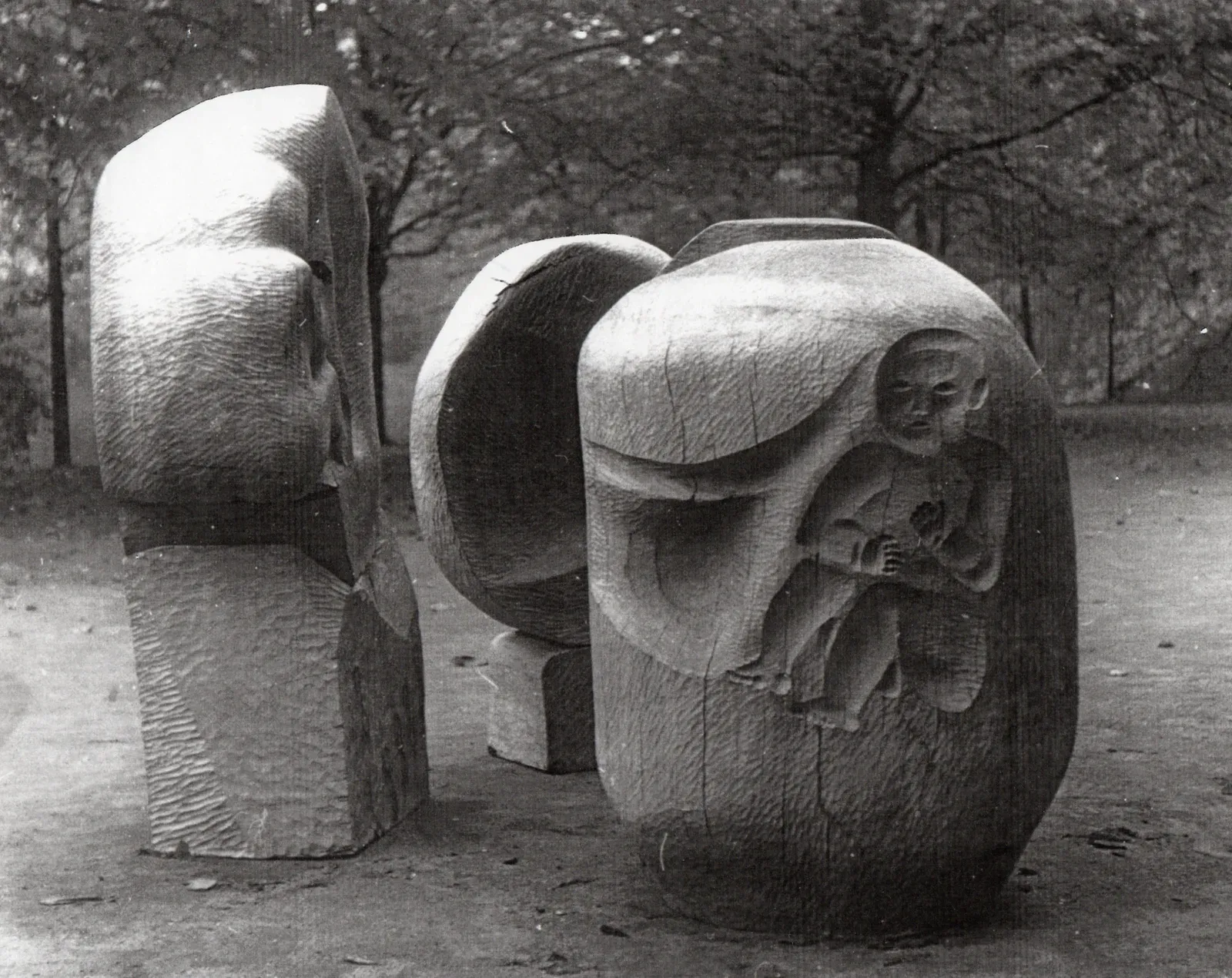
U progu życia
On the threshold of life 1970 · mahogany Monographic room - AW.S.0016
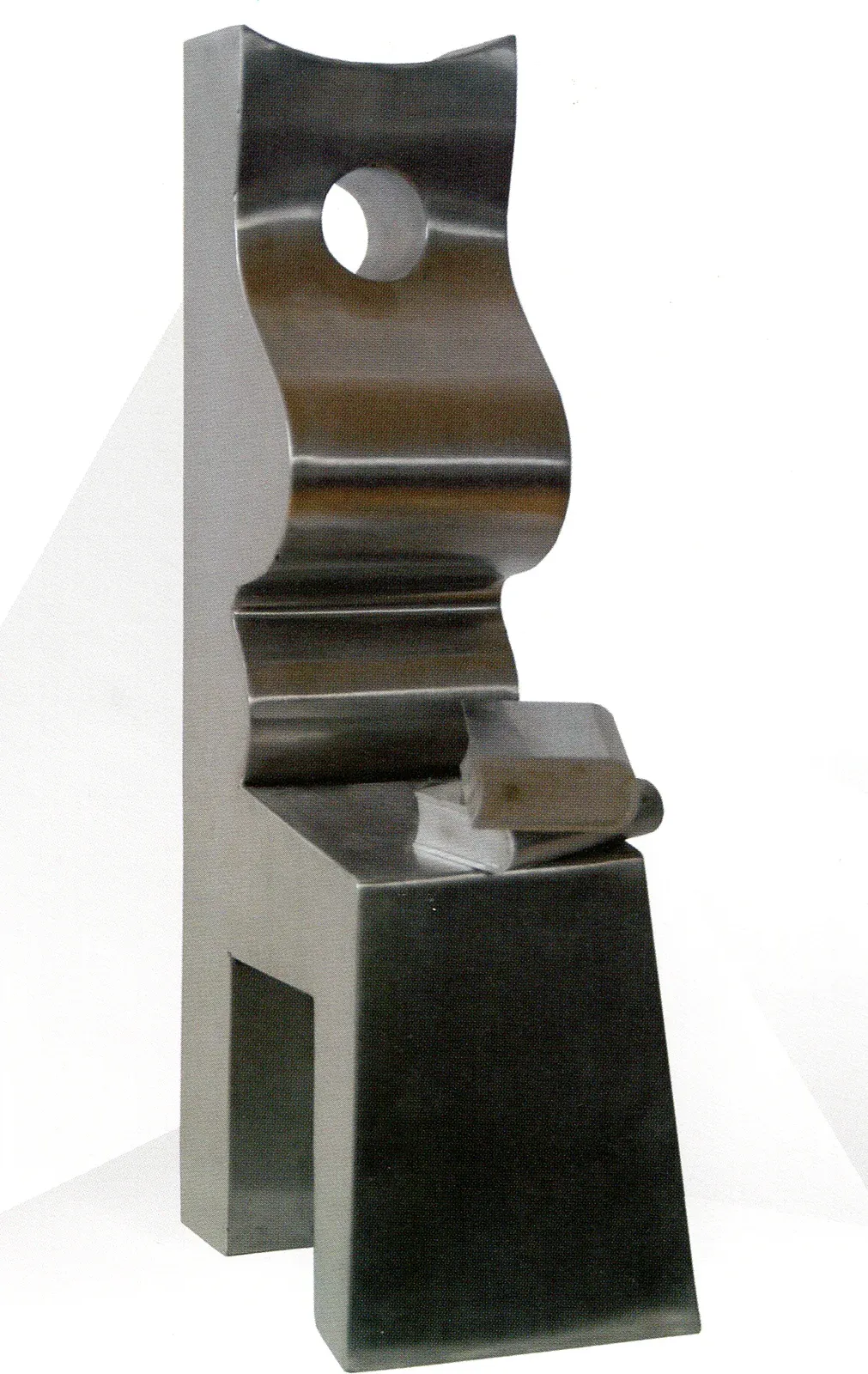
Matka z książką
Mother with a book 1979 · stainless steel Monographic room - AW.S.0082
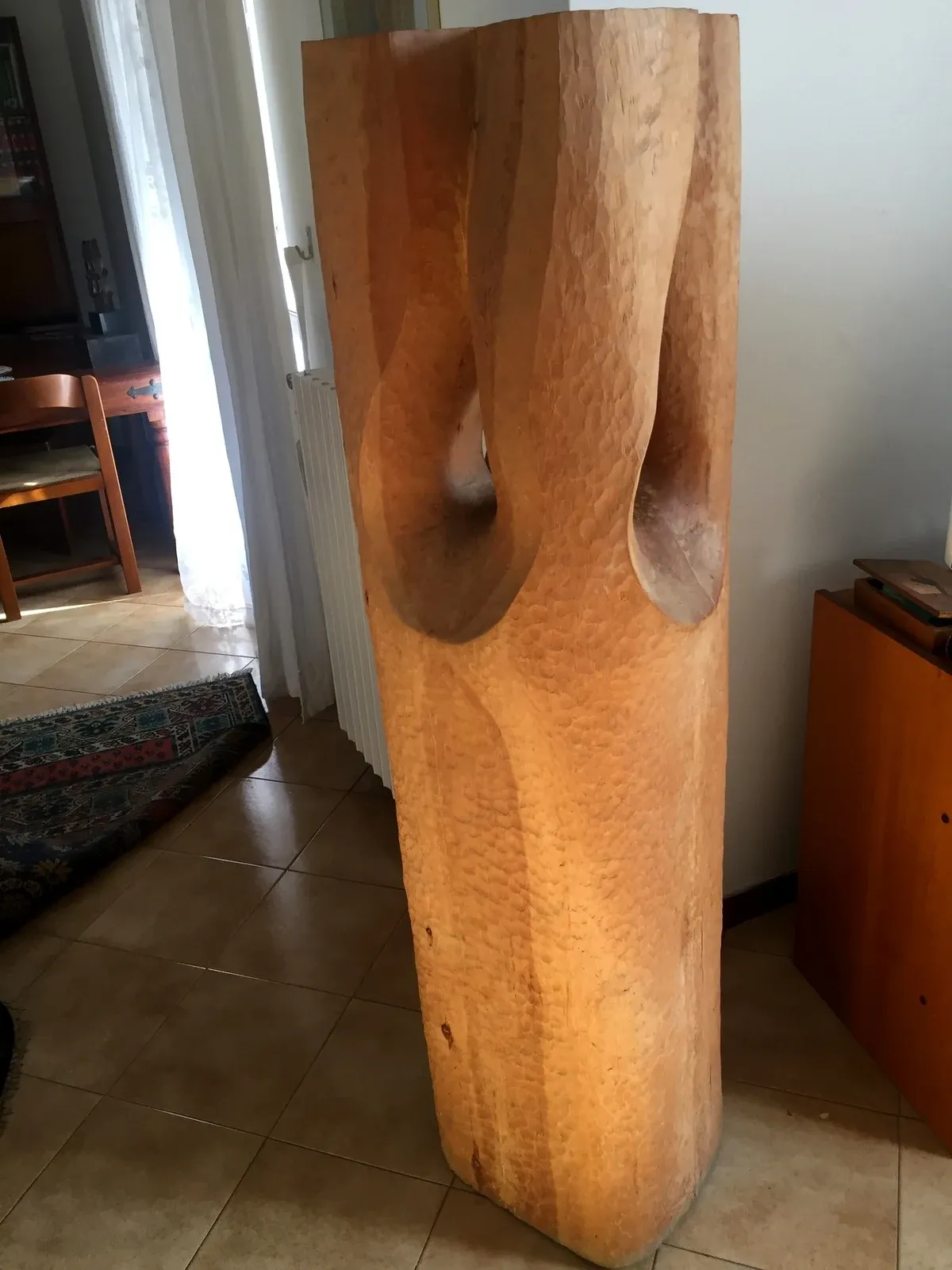
Łza poznania
Tear of knowledge 1993 · wood Monographic room - AW.S.0160
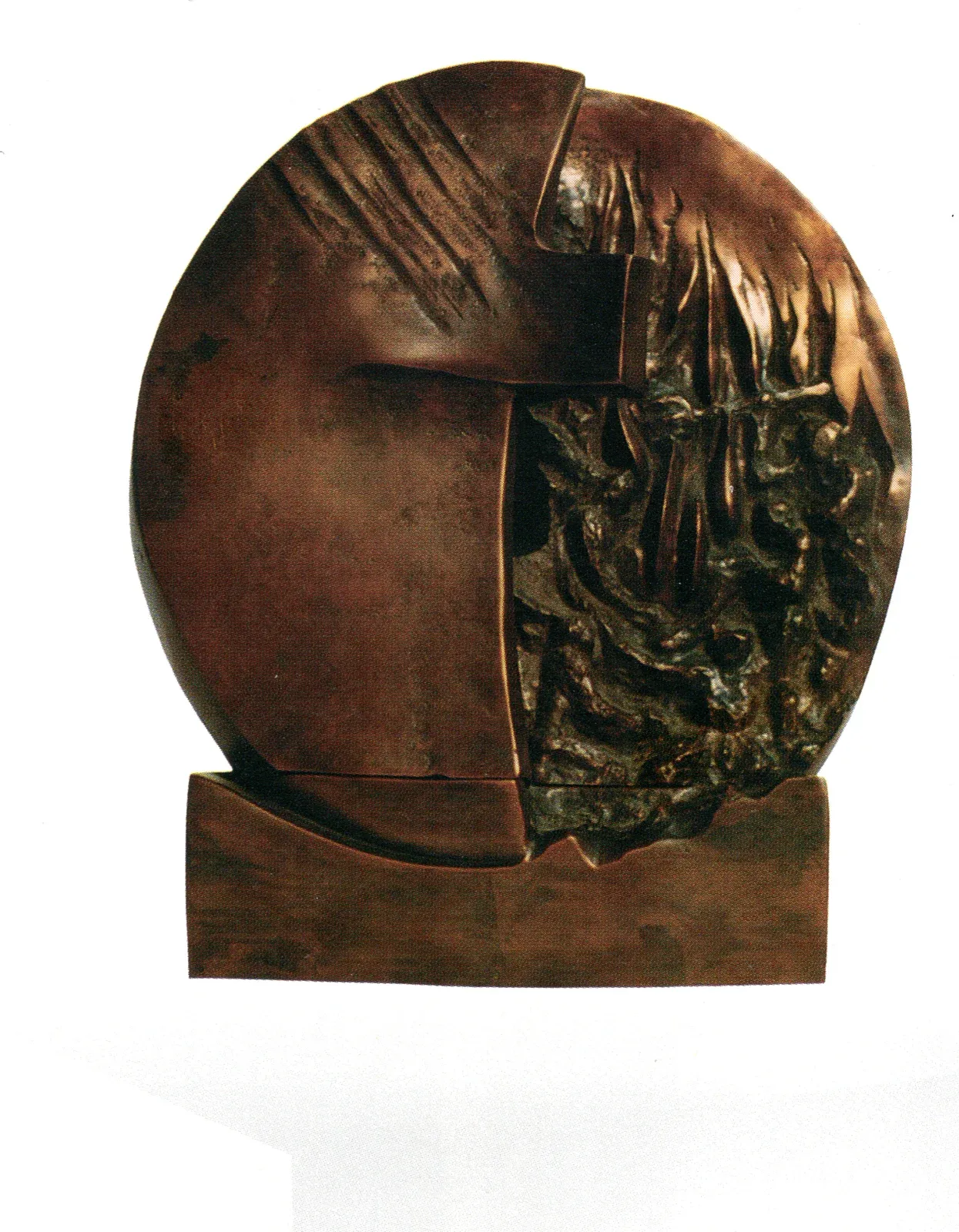
Oczyszczenie przez ogień do tekstu Dantego
1988 · bronze Monographic room - AW.S.0031
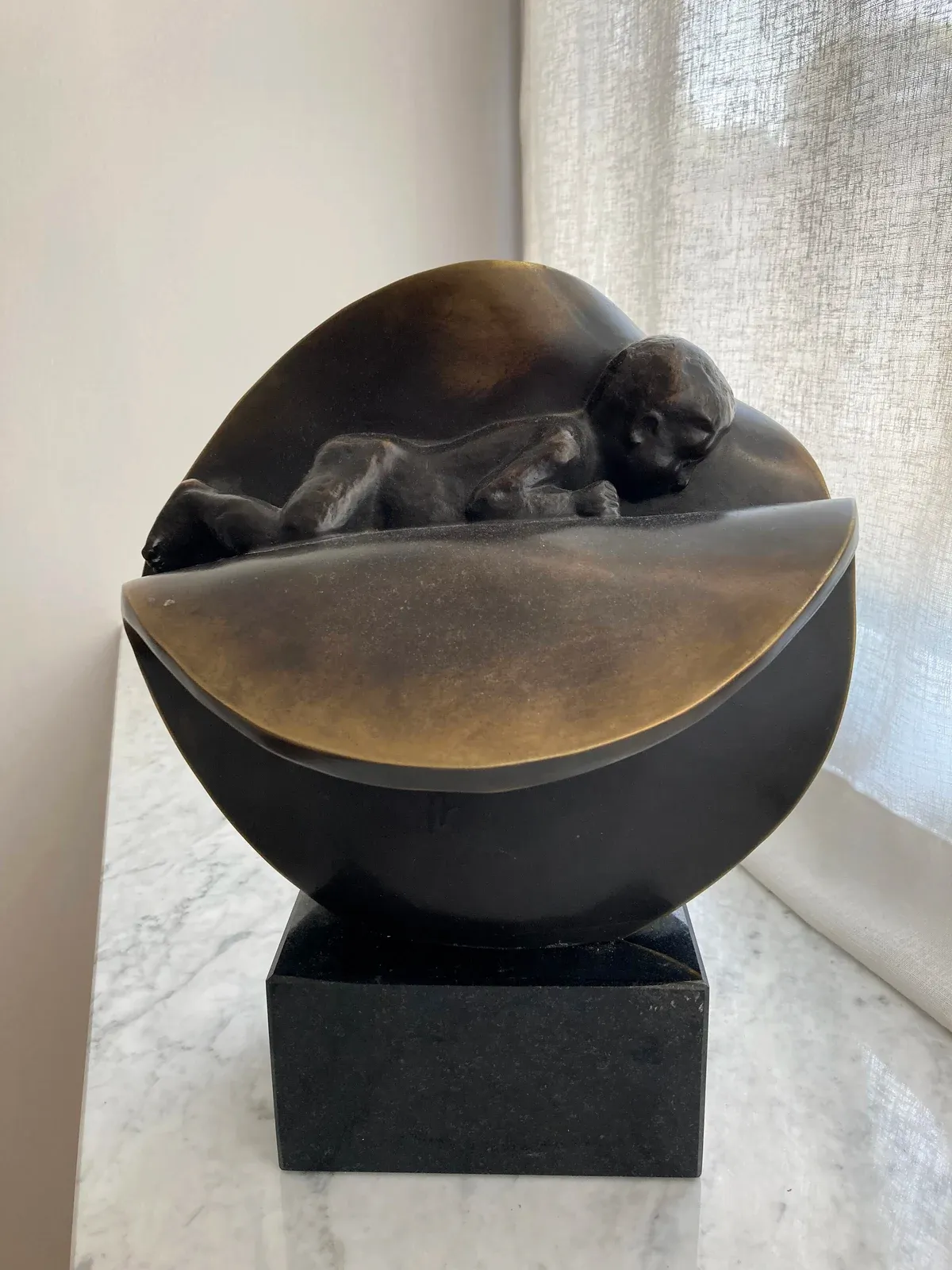
Narodziny
Birth 1986 · bronze Monographic room
Painting
Why a sculptor paintsNot everything she made is sculpture. The archive holds a hundred and thirty-seven paintings — mostly pastels, then watercolours and a few canvases. They are not a margin of the work, and they do not come after it: they come first.
The first picture she paints, as a child, is a hidden one. She takes the small framed pictures down from the walls at home, turns them over and paints on the back: animals, landscapes, dolls. Then she hangs them back in their place, right side out.
Jako mała dziewczynka zdejmowała ze ścian obrazki i na ich odwrocie malowała zwierzęta, krajobrazy, lalki. Potem wieszała je na miejsce. Przez dłuższy czas rodzice byli nieświadomi, że pod ich dachem rozkwita artystyczna dusza. As a little girl she would take the pictures down from the walls and paint on their backs — animals, landscapes, dolls. Then she would hang them back in place. For a long time her parents had no idea that an artist’s soul was blossoming under their roof.
When her parents find out, they enrol her in the drawing classes of the scouts’ house in Stargard; in seventh grade one of her teachers says she has talent and should try the art school in Szczecin. Five years later she enters the Academy of Fine Arts in Warsaw at her first attempt, and leaves it a sculptor, with the diploma of 1966. The painting was already there, and it never leaves.
In February 1999, at the retrospective at the Galeria Rzeźby in Warsaw, a city daily titles its review “Pastels, and sculptures in mahogany and wood” — the pastels first — and writes that the room holds sculptures and pastels made from the seventies through the nineties. In the same column it lists what she does: outdoor and small-scale sculpture, medallic art, drawing and painting. Four trades, on a single line.
In 2009 she gathers the pastels into a volume and titles it with a single word: “Malarstwo” — painting. On the title page there is one handwritten line: “I dedicate this album to my Son”. And on the opening page she takes on the question her work has always carried with it.
Obojętnie jak się wypowiadamy, poprzez jaką formę, jeżeli wypływa z potrzeby z głębi naszych przemyśleń i odczuć to staje się prawdziwa. […] Chęć malowania ujawniała się w moim życiu zawsze i to czyniłam z radością. Przedstawiam Państwu swoje pastele i inne prace. It does not matter how we express ourselves, or through what form: if it flows from need, from the depth of our thoughts and feelings, then it becomes true. […] The urge to paint has shown itself all my life, and I have followed it with joy. I present to you my pastels and other works.
The form is indifferent; what matters is that it comes from need. It is what she had always said of wood and stone, said this time of paper — and instead of answering the question, it removes it. In these pages there are not two artists, one who sculpts and one who paints: there is a single hand which, before a block or before a sheet, is after the same thing.
Usually, where the two meet, one imagines the painting coming second — the idea is born in the block, and the sheet runs after it. At least once it went the other way, and it can be shown. In 1981 she paints a canvas titled “Dziecko” — child: a dark mass opening into an almond-shaped hollow, and in the hollow a child curled up on a cloth. The following year she casts a bronze with the same title, and the disc opens the same way around the same figure.
That device — a volume that opens and holds someone within — is not born there. It is born in a park in Płock in 1970, where three masses of mahogany rest on the earth and one parts around a seated child; and from there it runs through forty years — in the sphere that opens on the newborn, in the disc that waits for one, in the bronze books that lock with a key. What 1981 proves is something else: that at one point of that long chain, the hand reached the canvas first.
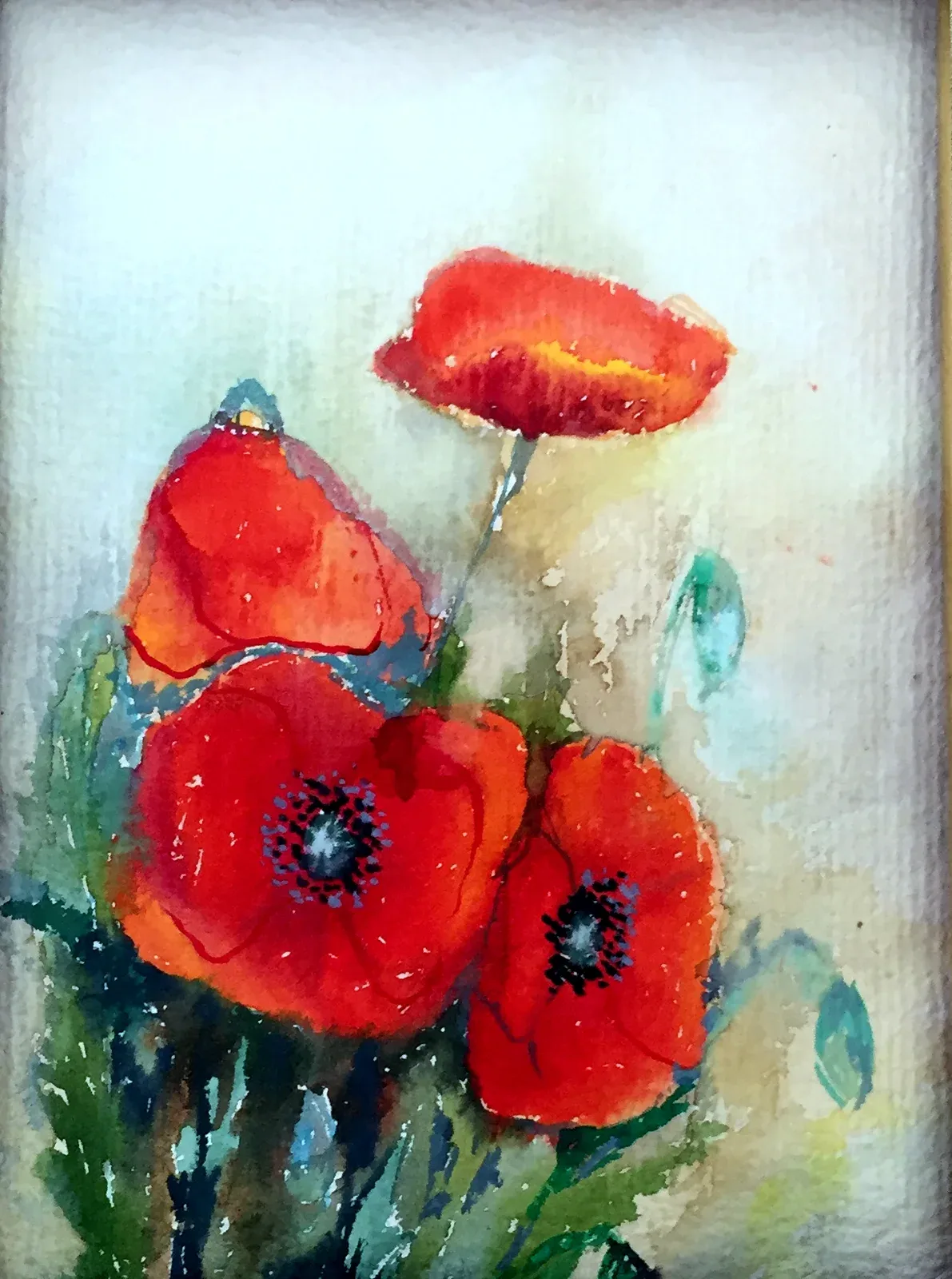
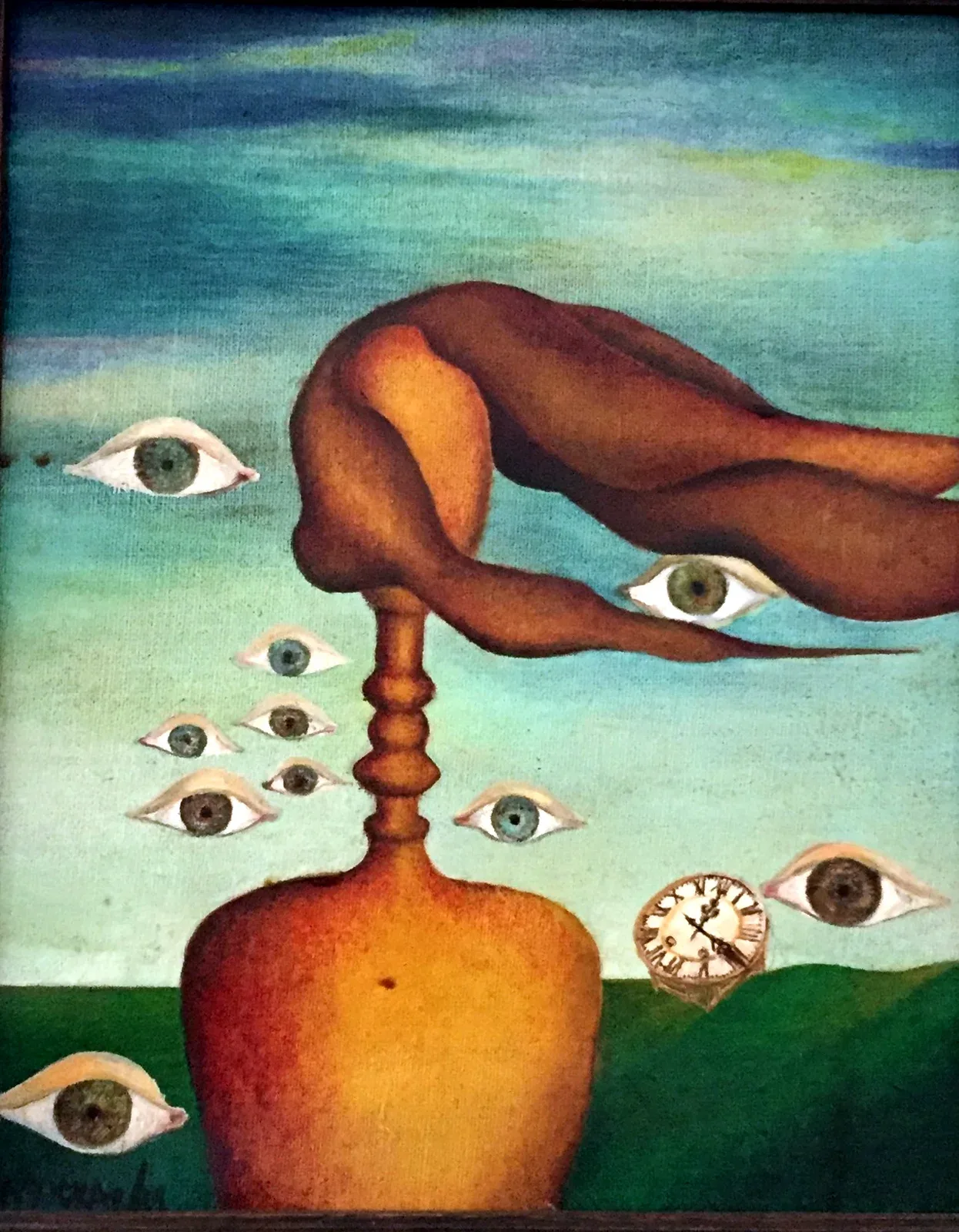
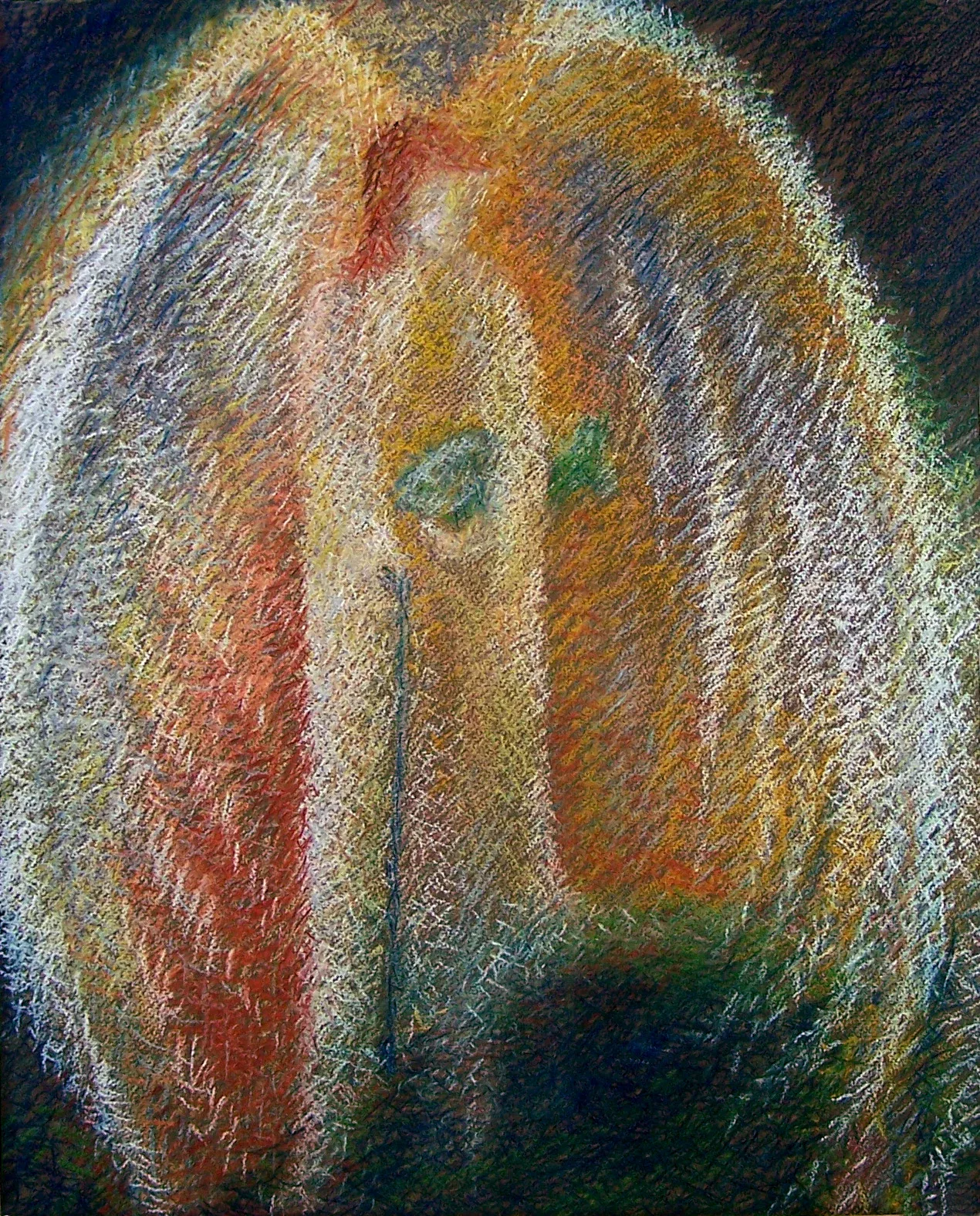
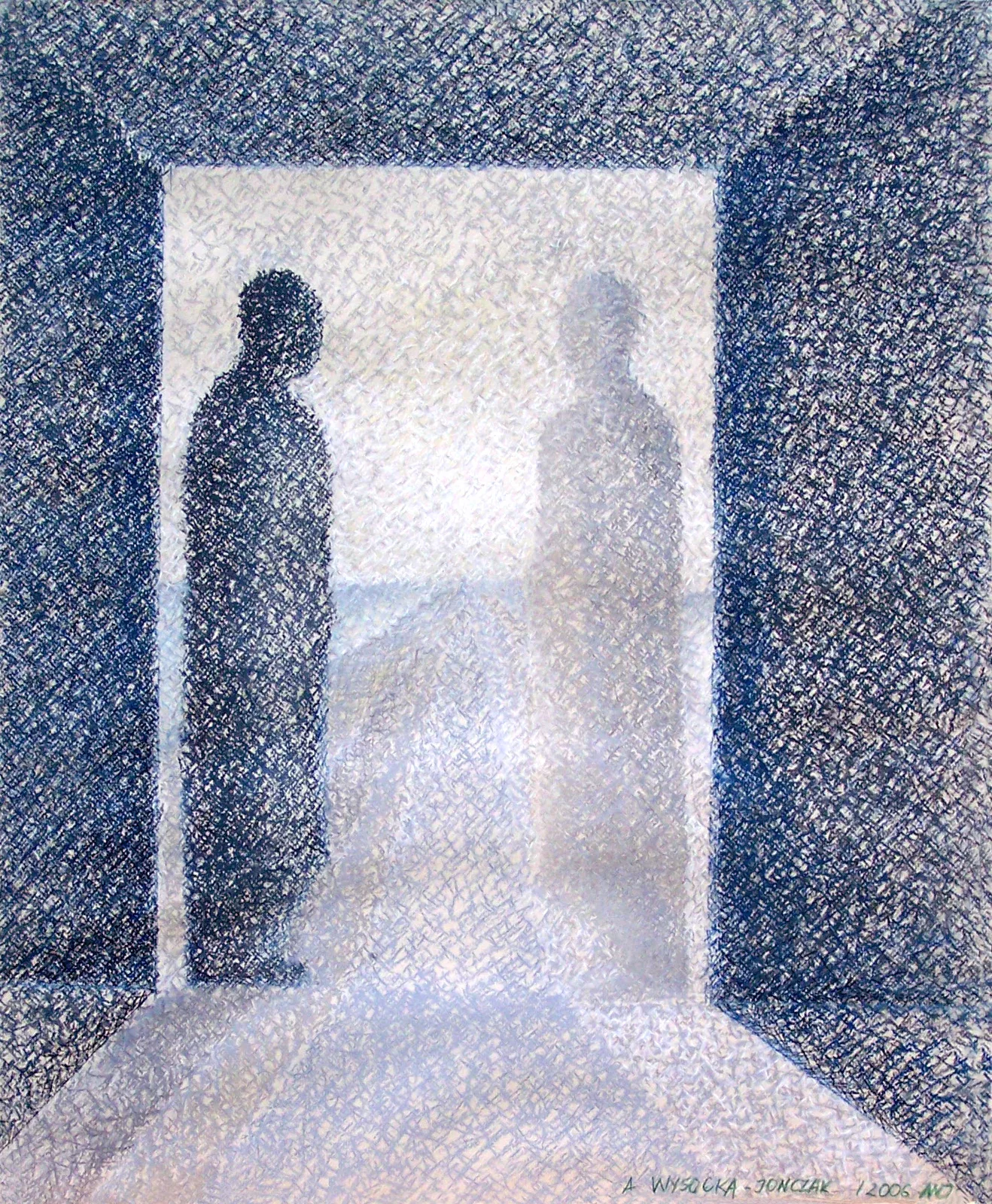
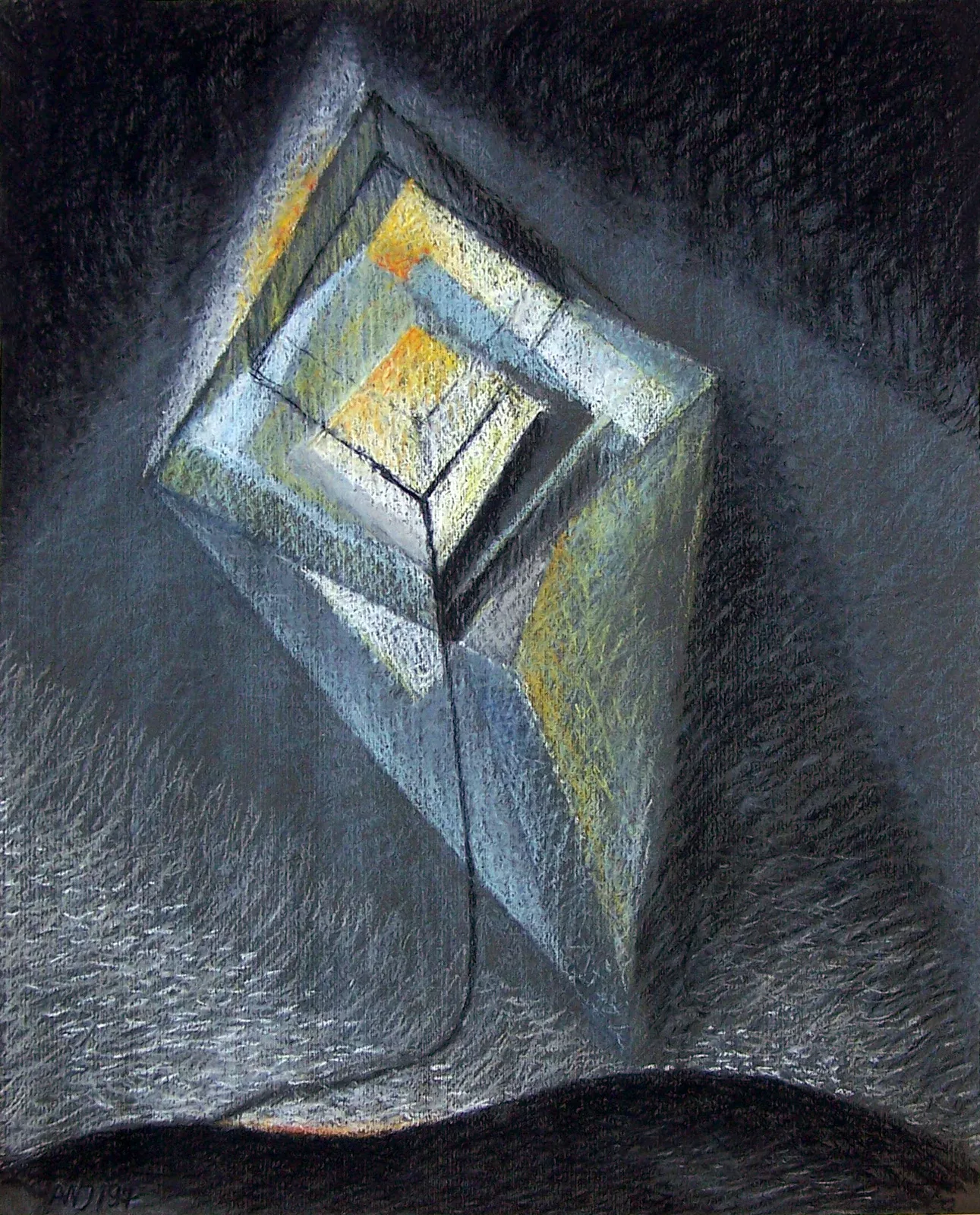
Selected works
A selection from the catalogue, most recent first: sculptures, paintings, medals and plaques. Narrow down by group or by decade; each cell opens the entry.
Sculptures 72
- AW.S.0064
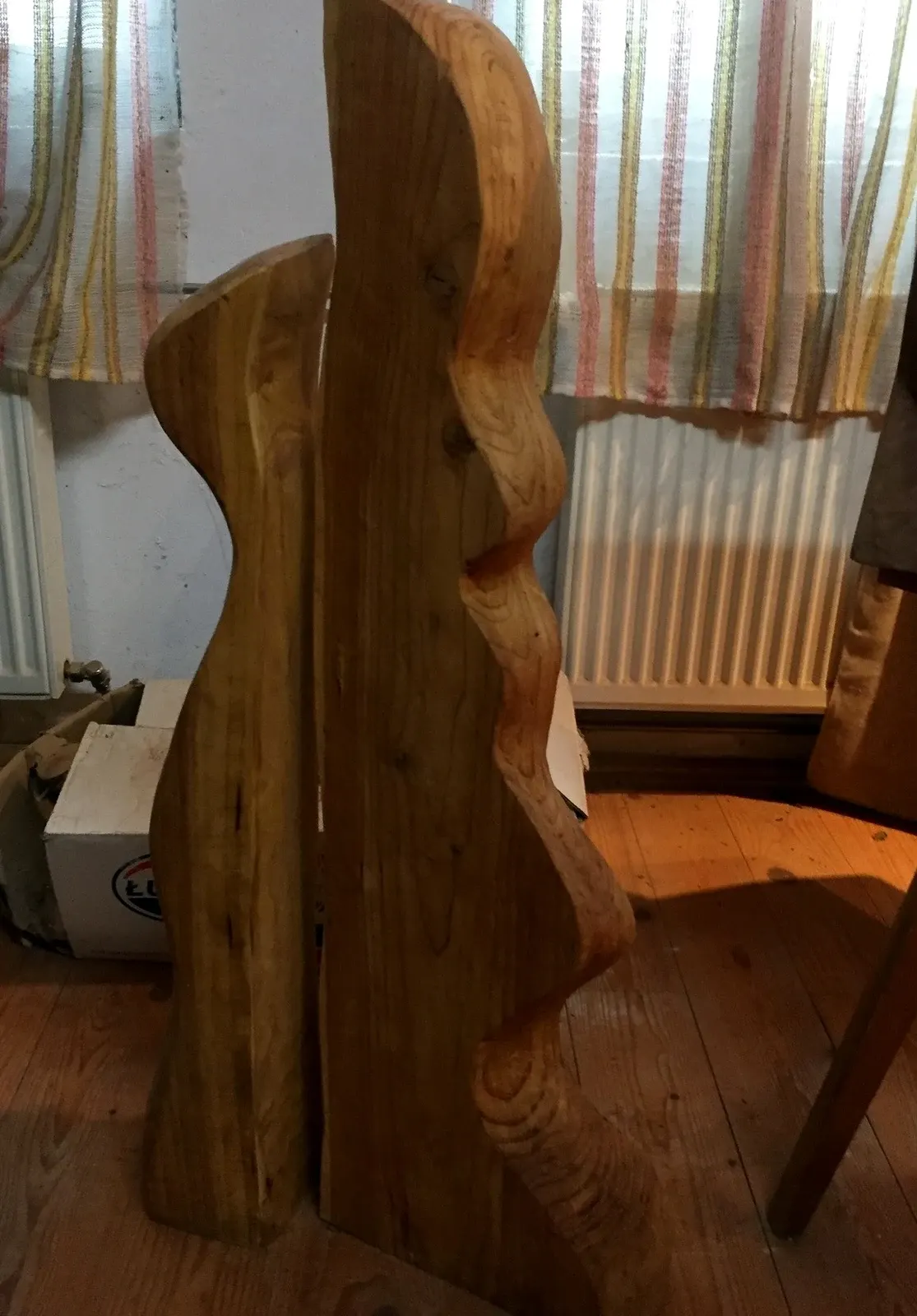
Etiuda
Étude 2011 · wood - AW.S.0044
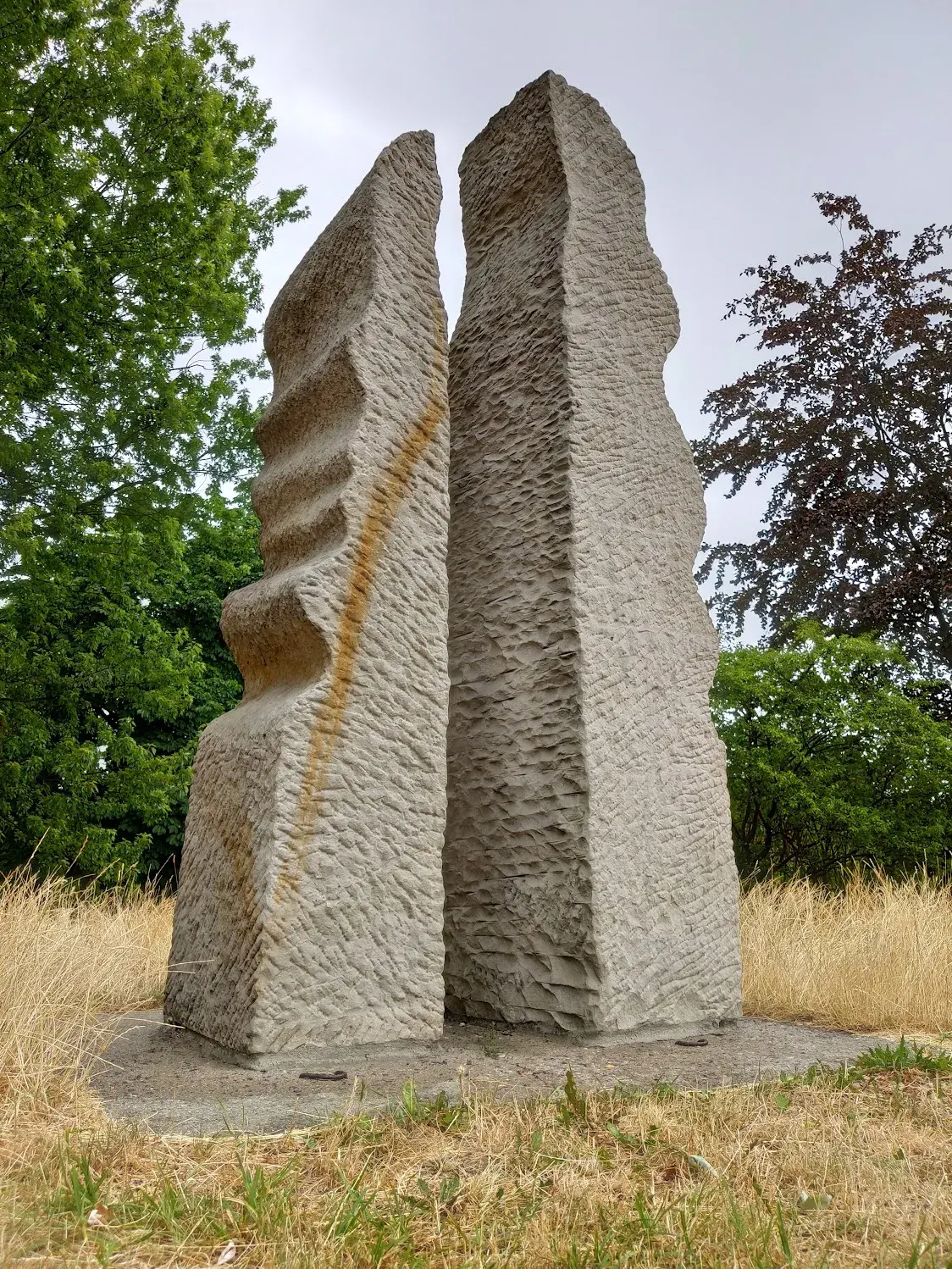
Etiuda
Étude 2010 · sandstone - AW.S.0032
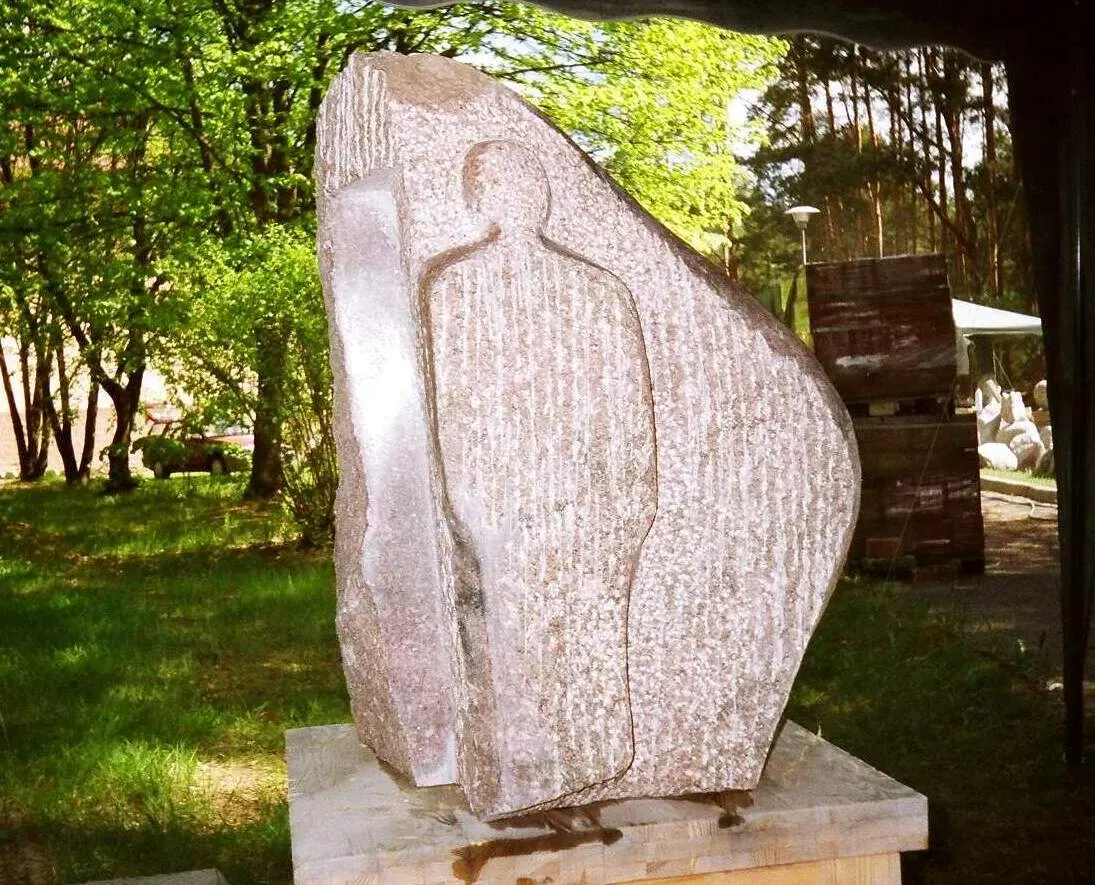
Ślady
Traces 2008 · granite - AW.S.0047
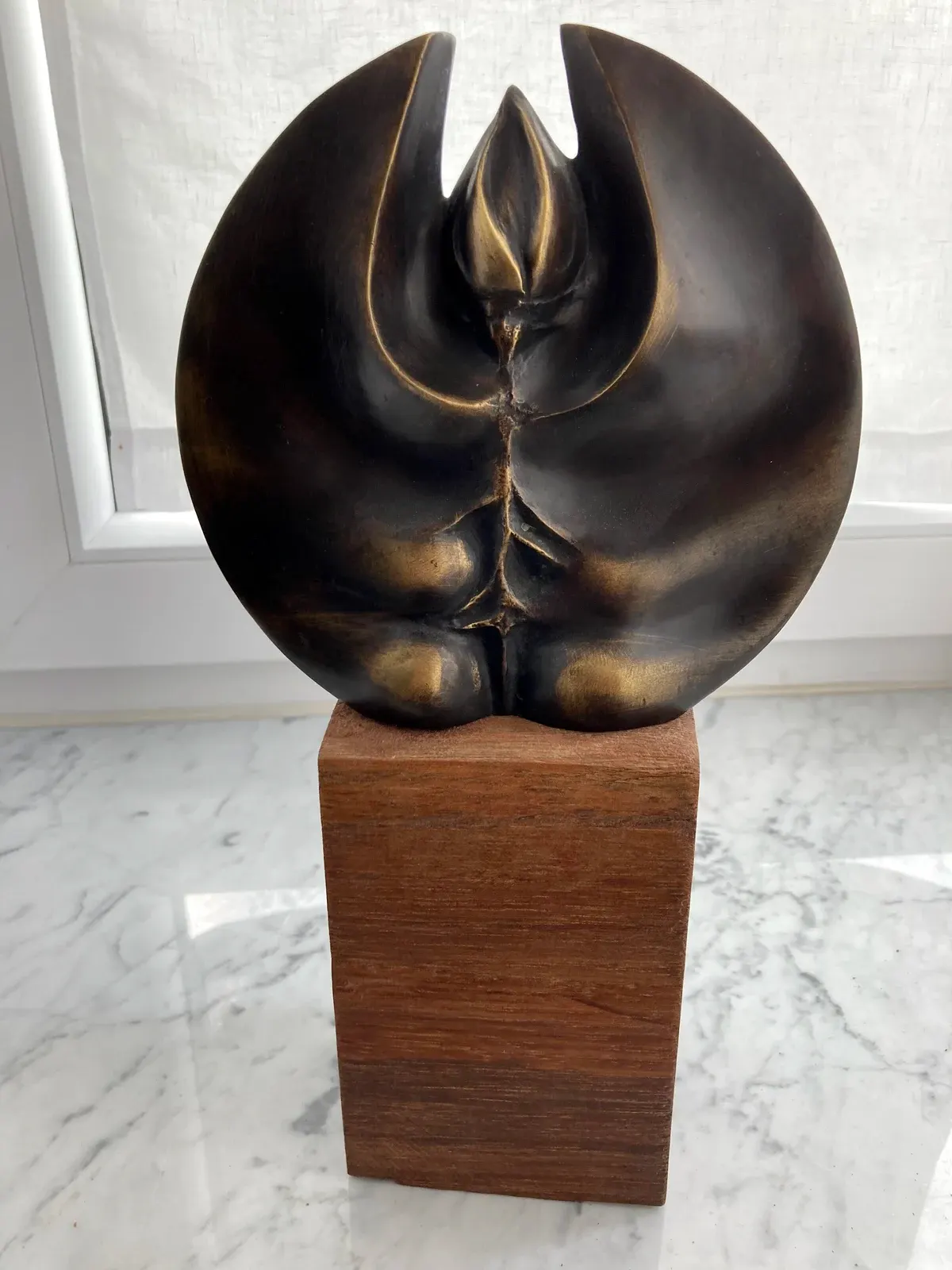
Róża
Rose 2007 · bronze - AW.S.0086
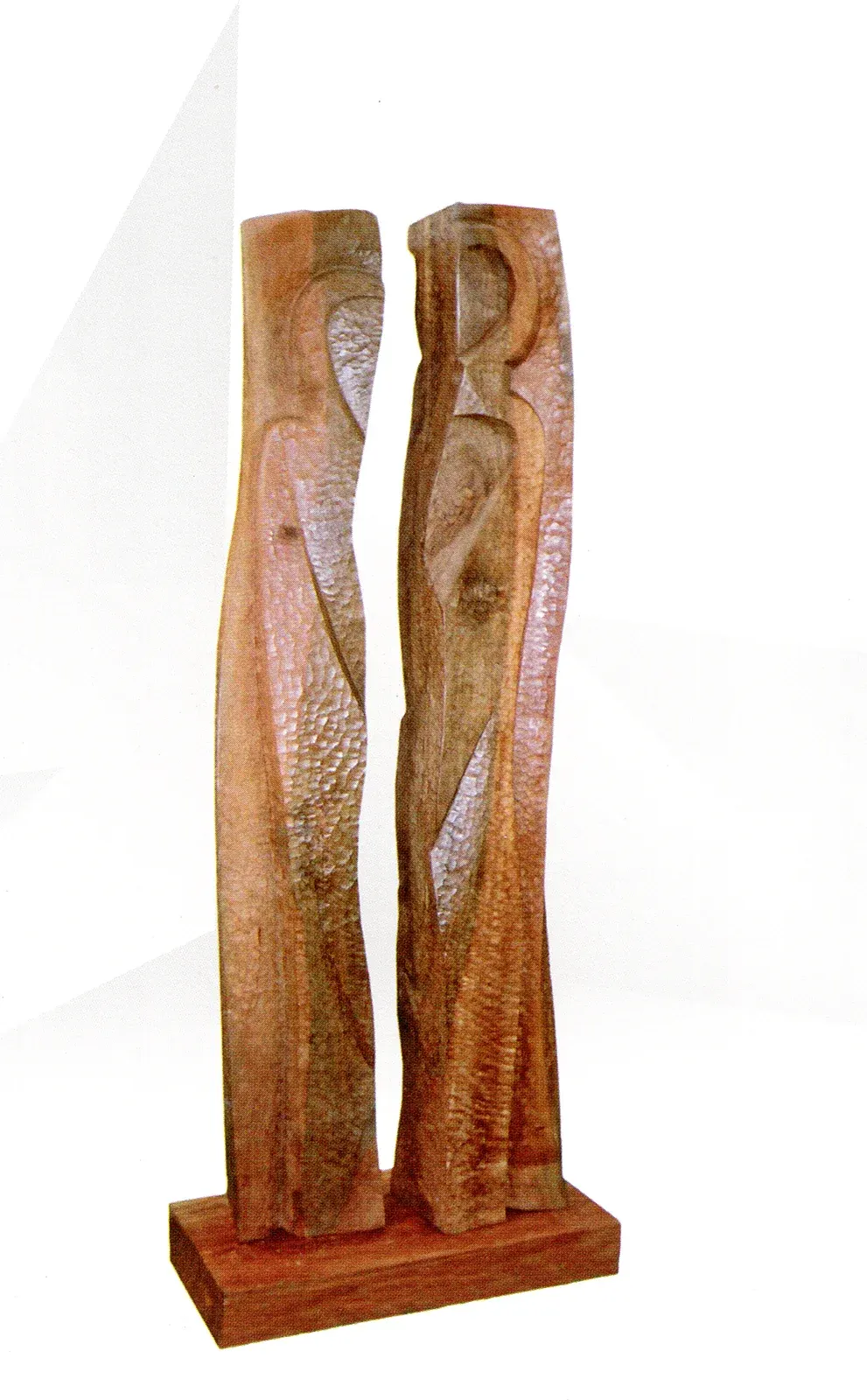
Zbliżenie II
Approach II 2007 · wood - AW.S.0119
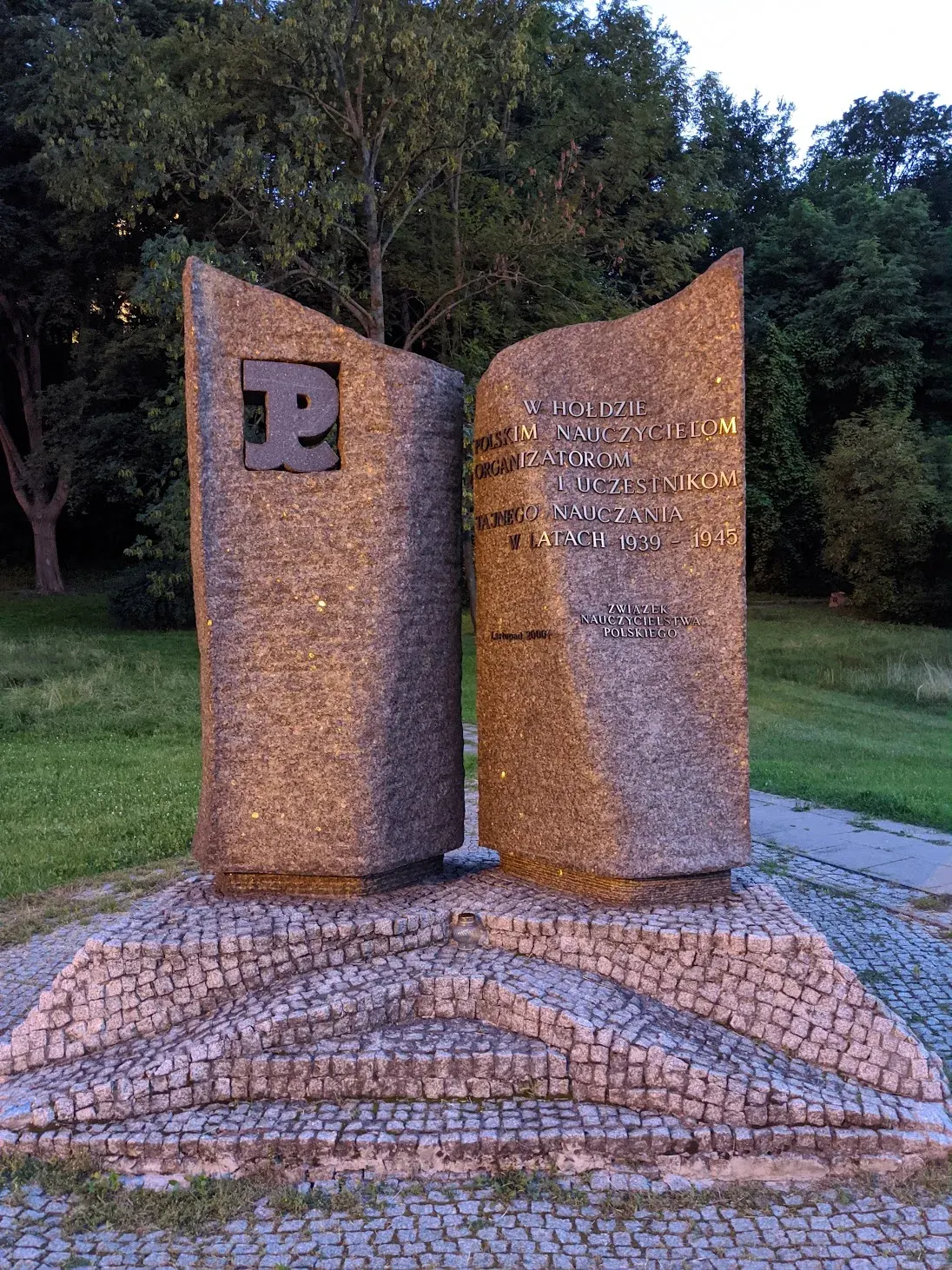
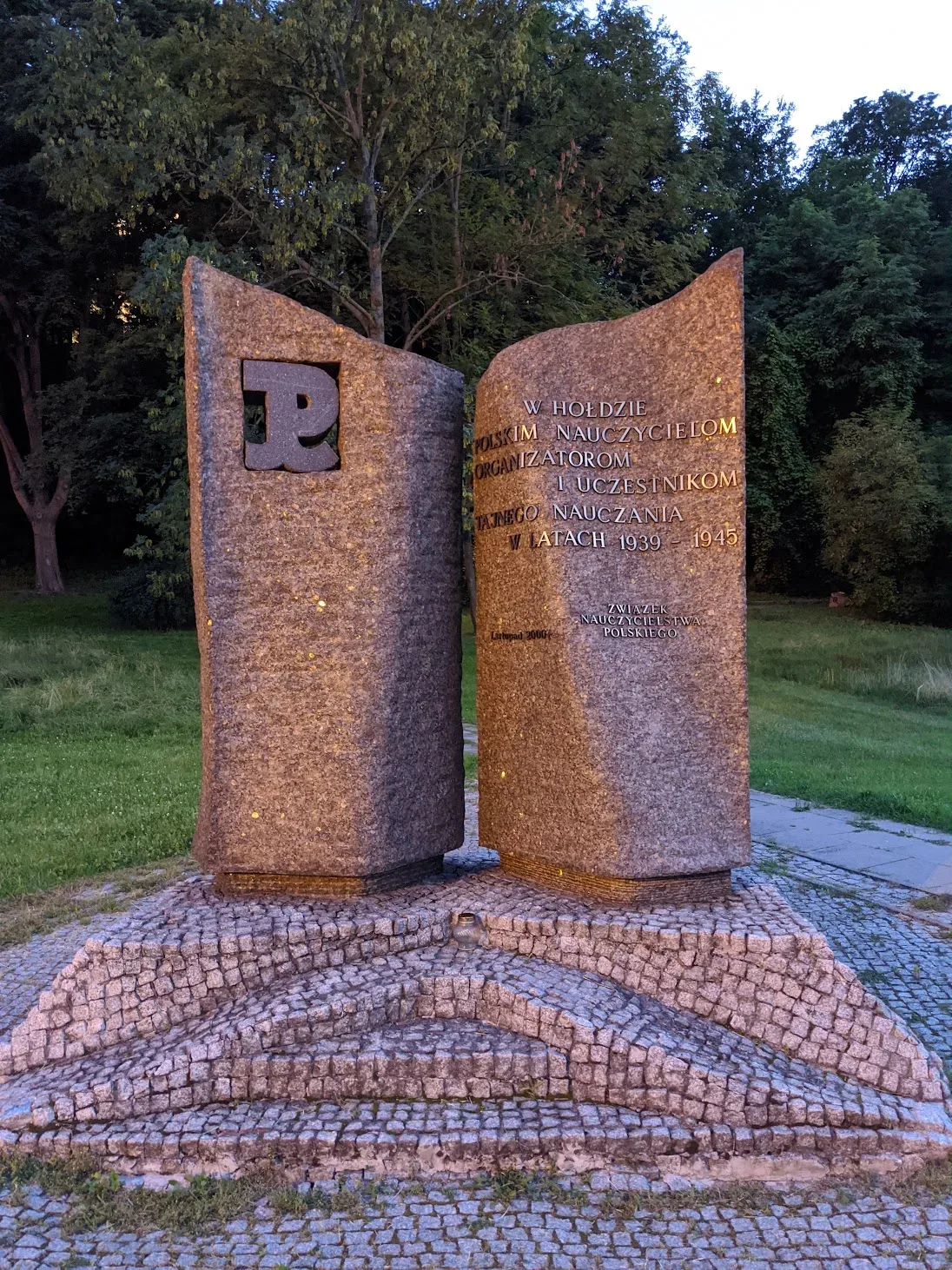
Pomnik Nauczycieli Tajnego Nauczania 1939–1945
Monument to the Teachers of the Clandestine Schooling 1939–1945 2000 · granite and black granite - AW.S.0002
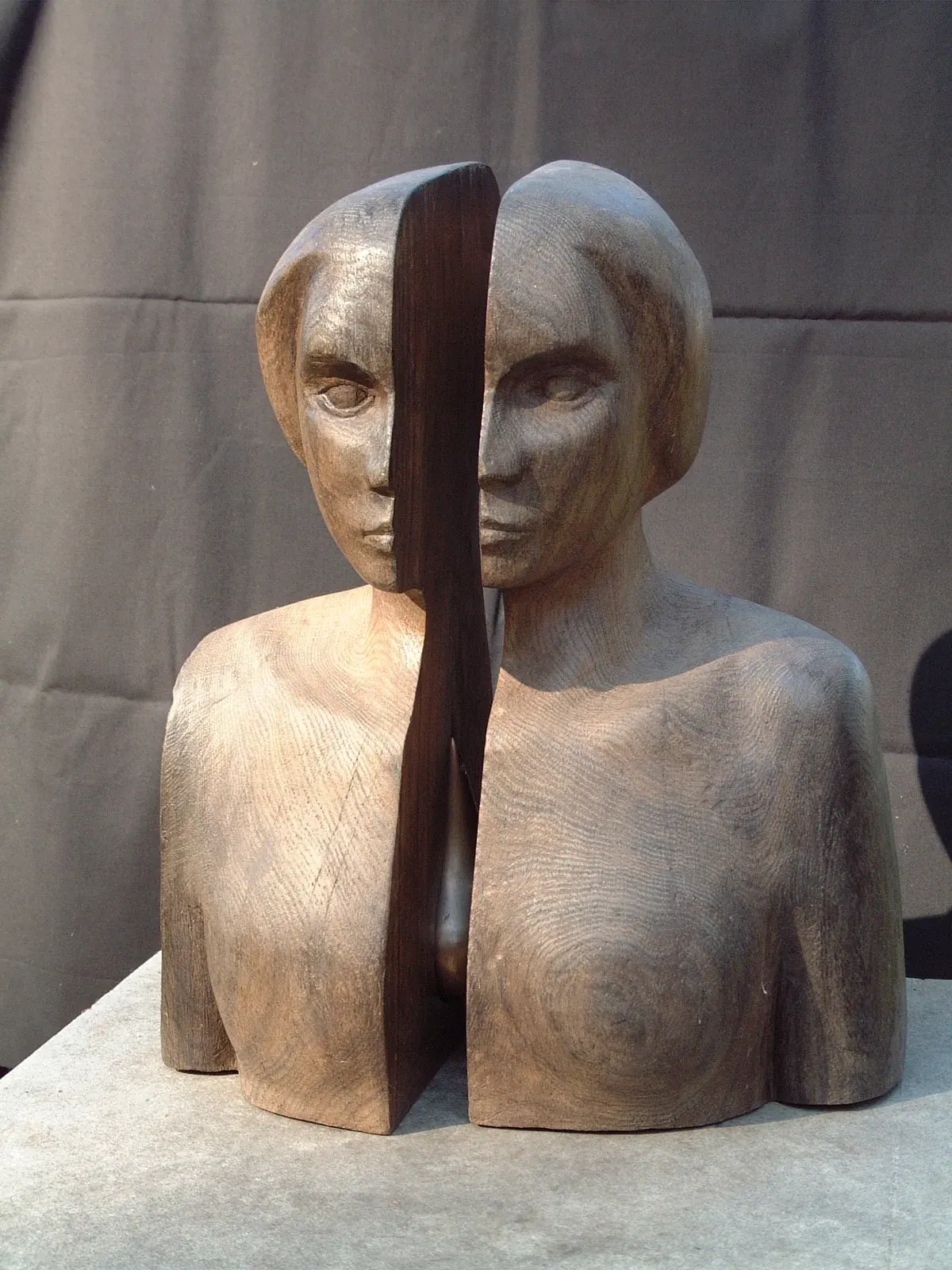
Nadzieja
Hope 1999 · black oak - AW.S.0033
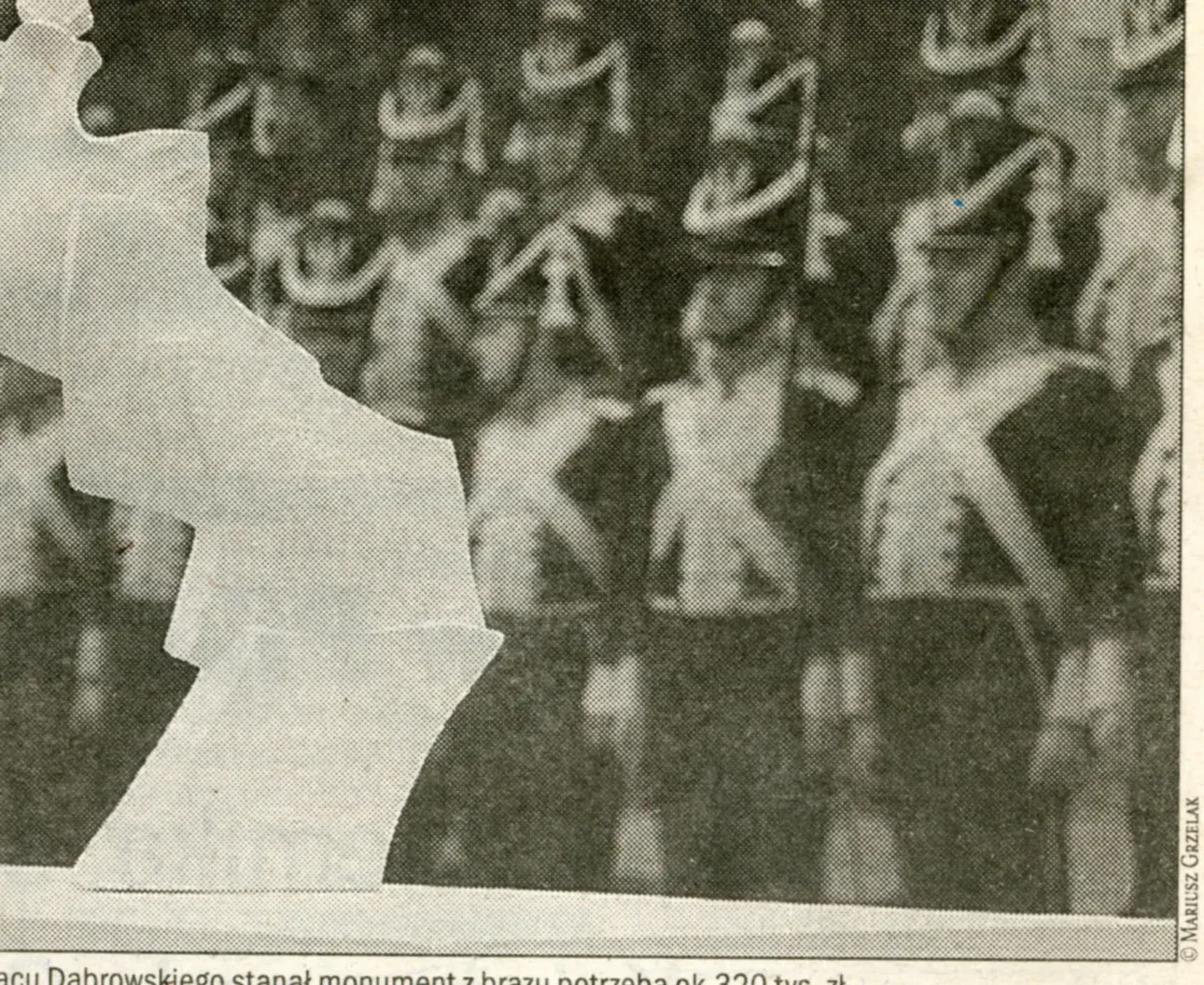
Pomnik Hymnu Narodowego
Monument to the National Anthem 1999 · bronze (project); granite base - AW.S.0005
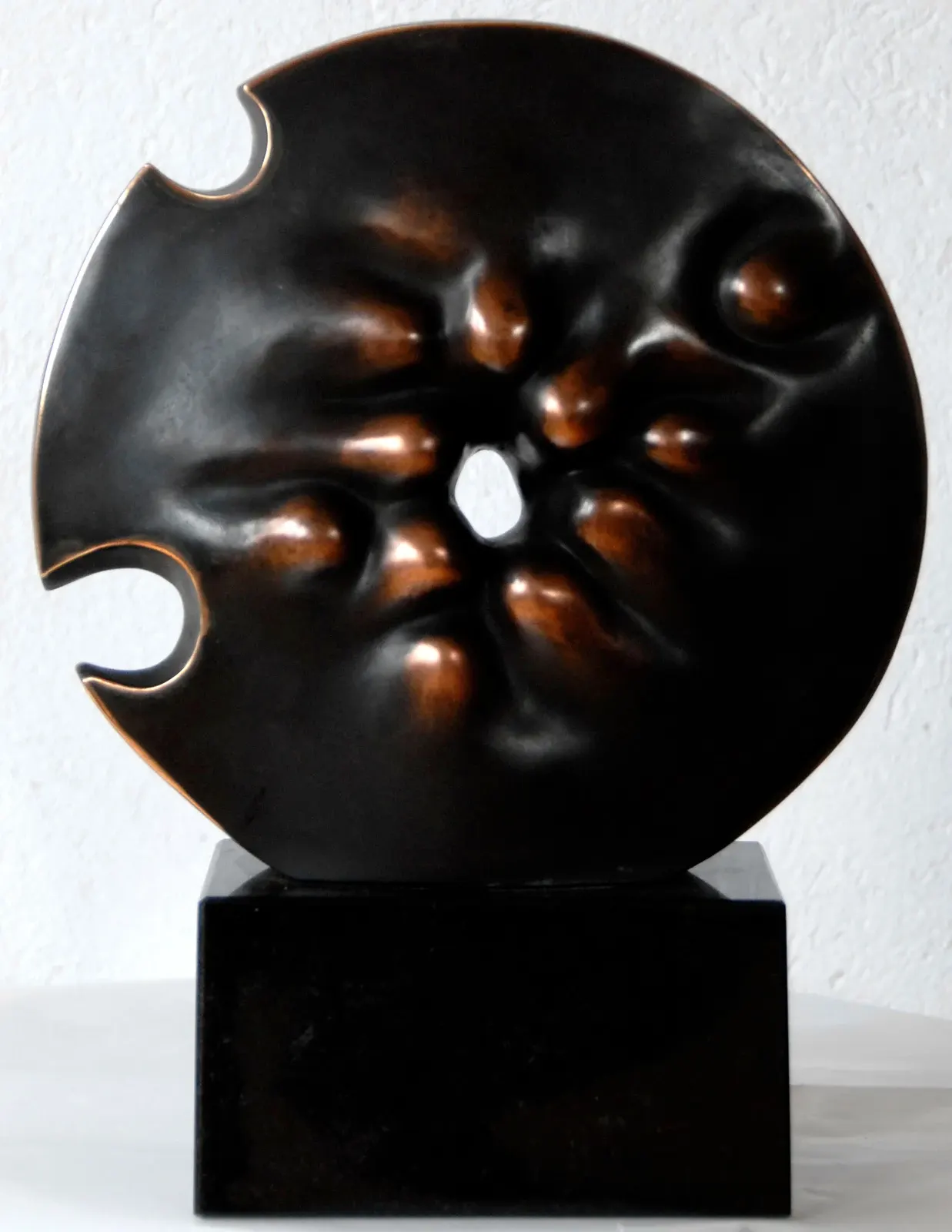
Skupienie (z cyklu Dyski)
Recollection 1998 · bronze - AW.S.0045
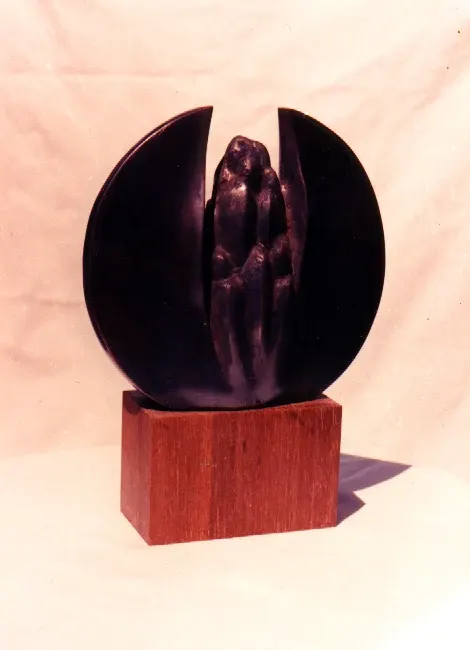
Pączkowanie (z cyklu Dyski)
Budding 1998 · bronze - AW.S.0055
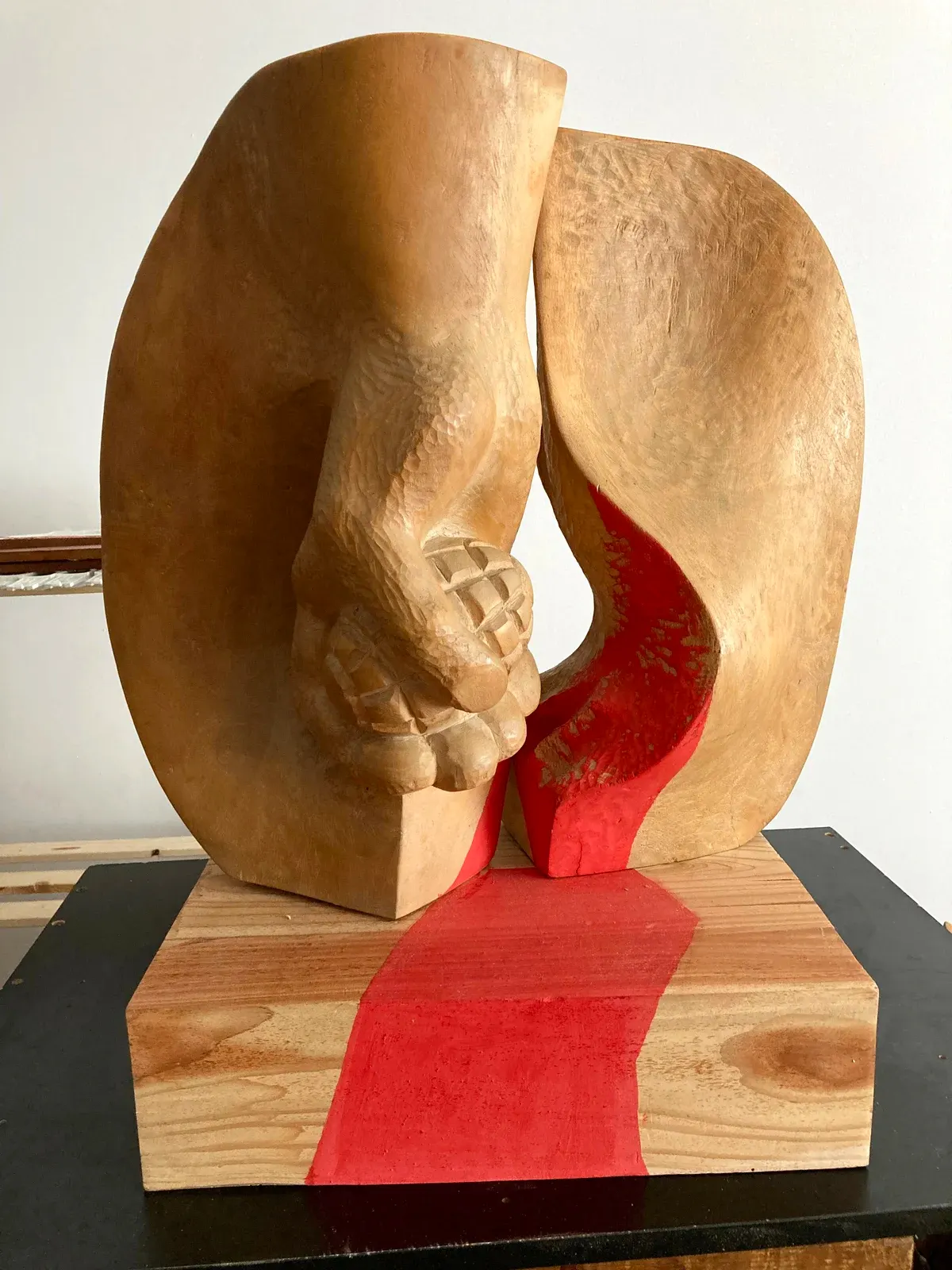
Granat
1998 · maple - AW.S.0080
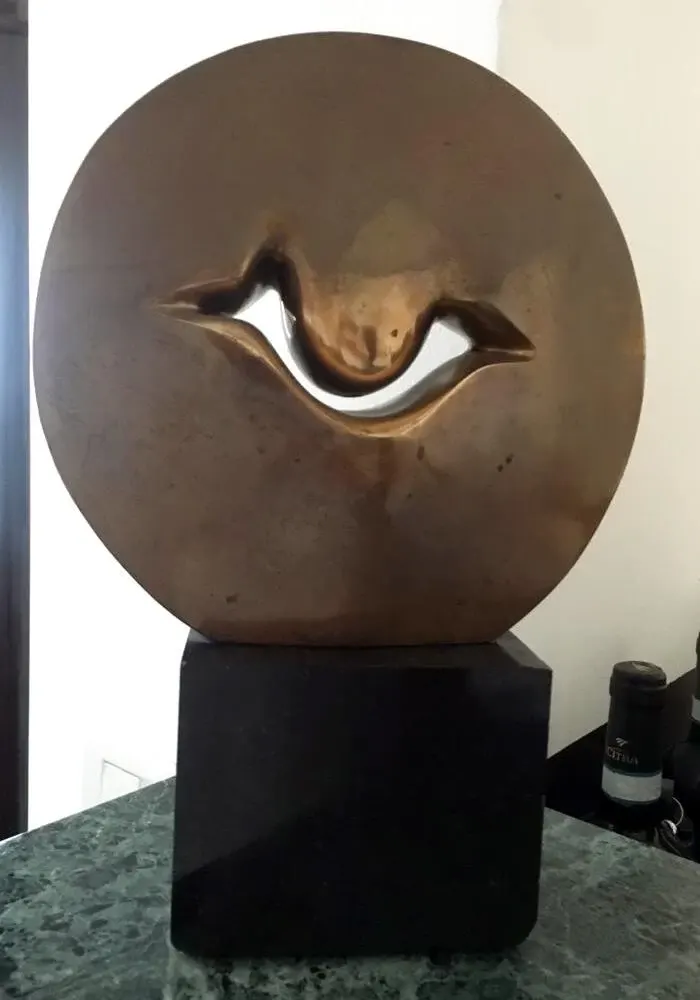
Zbliżenie (z cyklu Dyski)
Approach 1998 · bronze - AW.S.0013
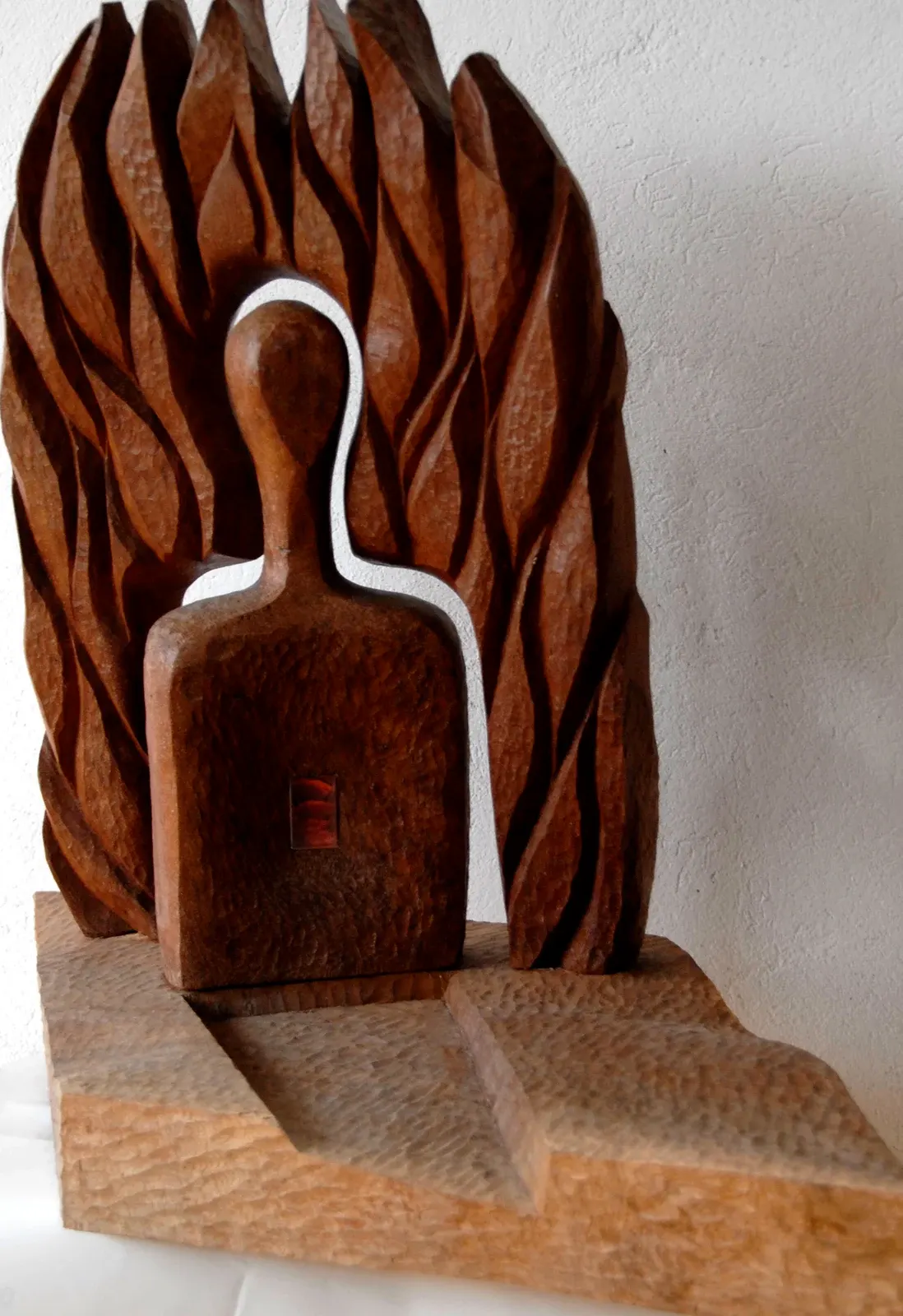
Zranione Ego
Wounded ego 1997 · mahogany - AW.S.0039
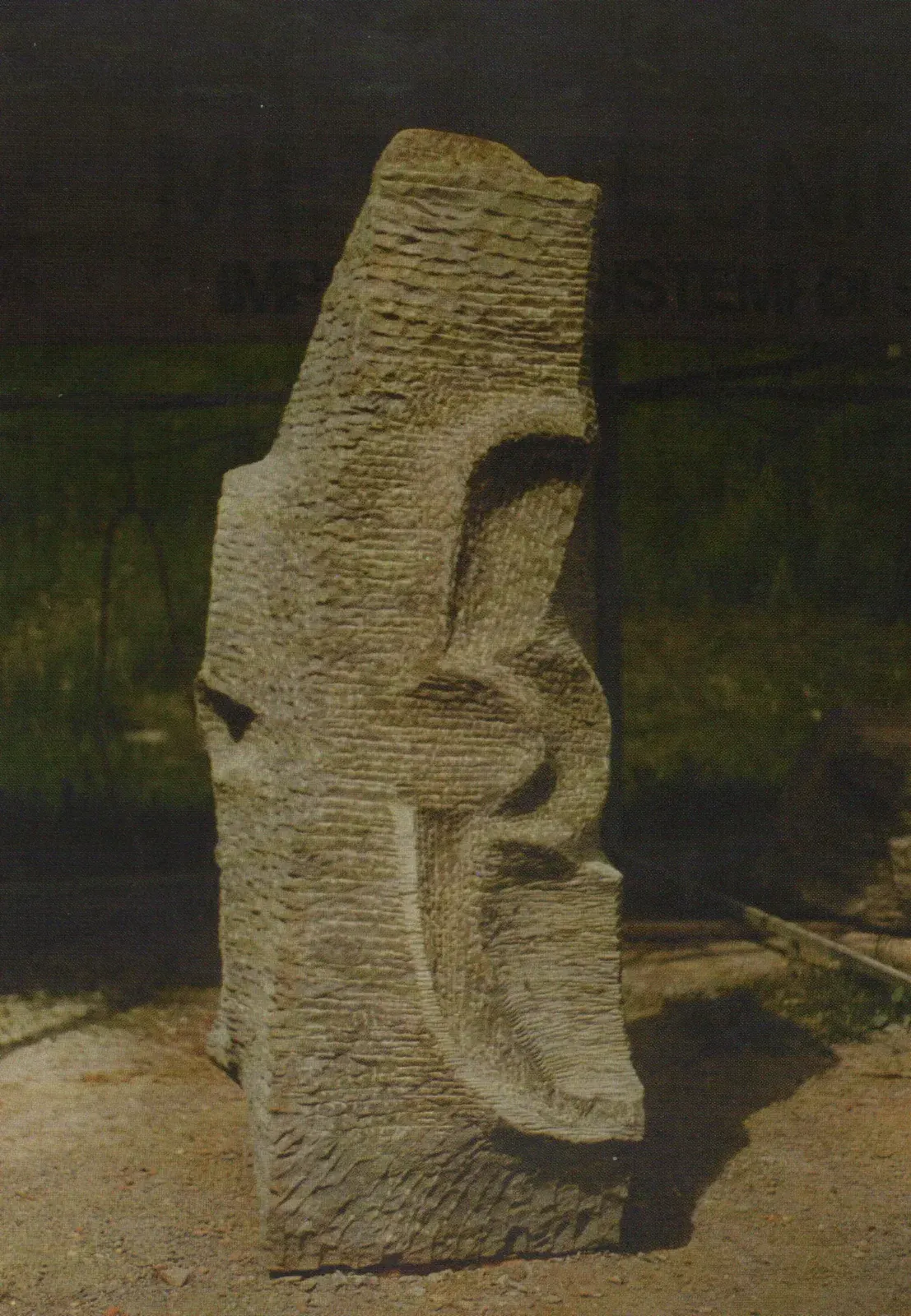
Intymny koncert
Intimate concert 1997 · sandstone - AW.S.0084
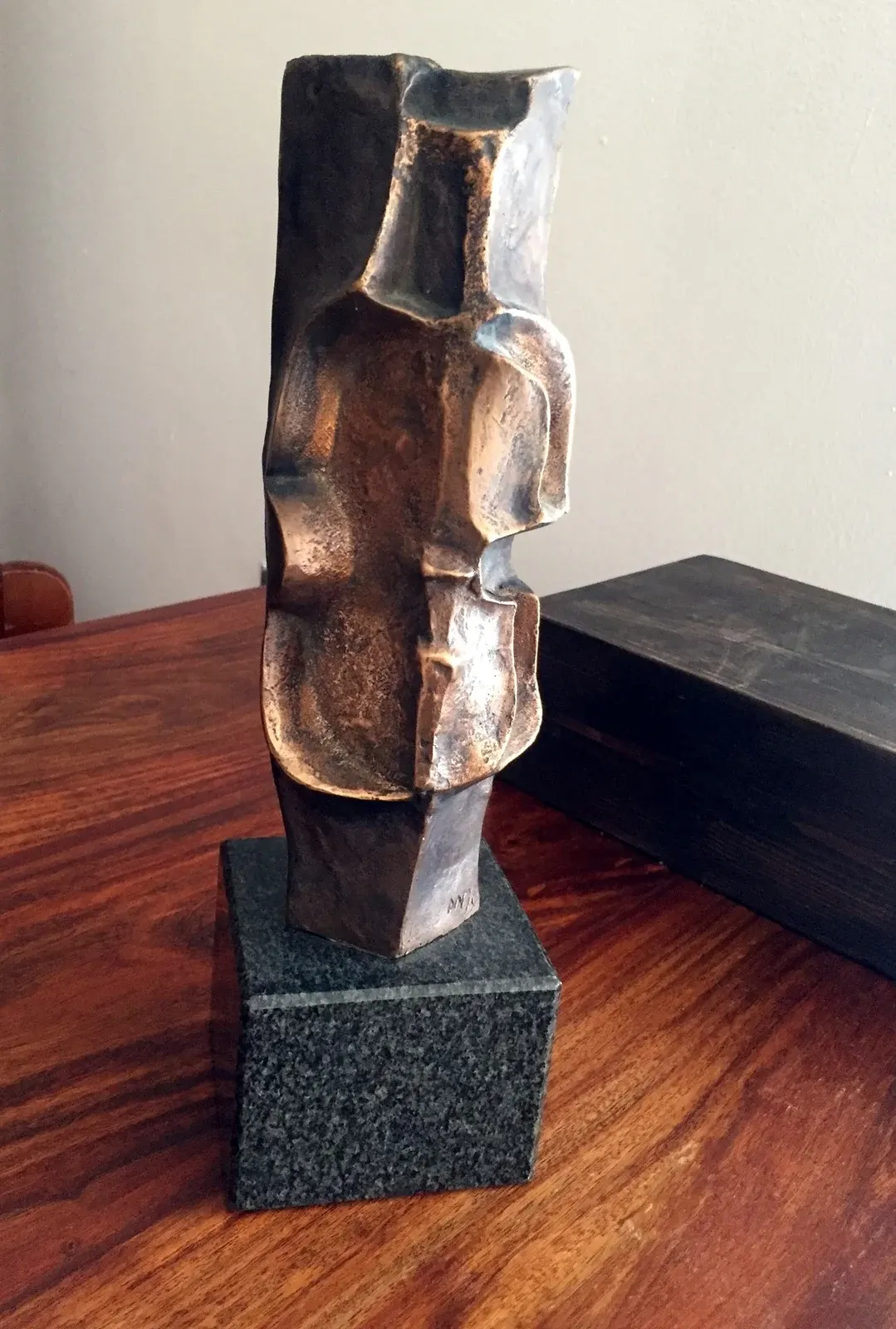
Projekt „Intymny Koncert”, Fanano
Project for «Intimate concert», Fanano 1997 · bronze - AW.S.0023
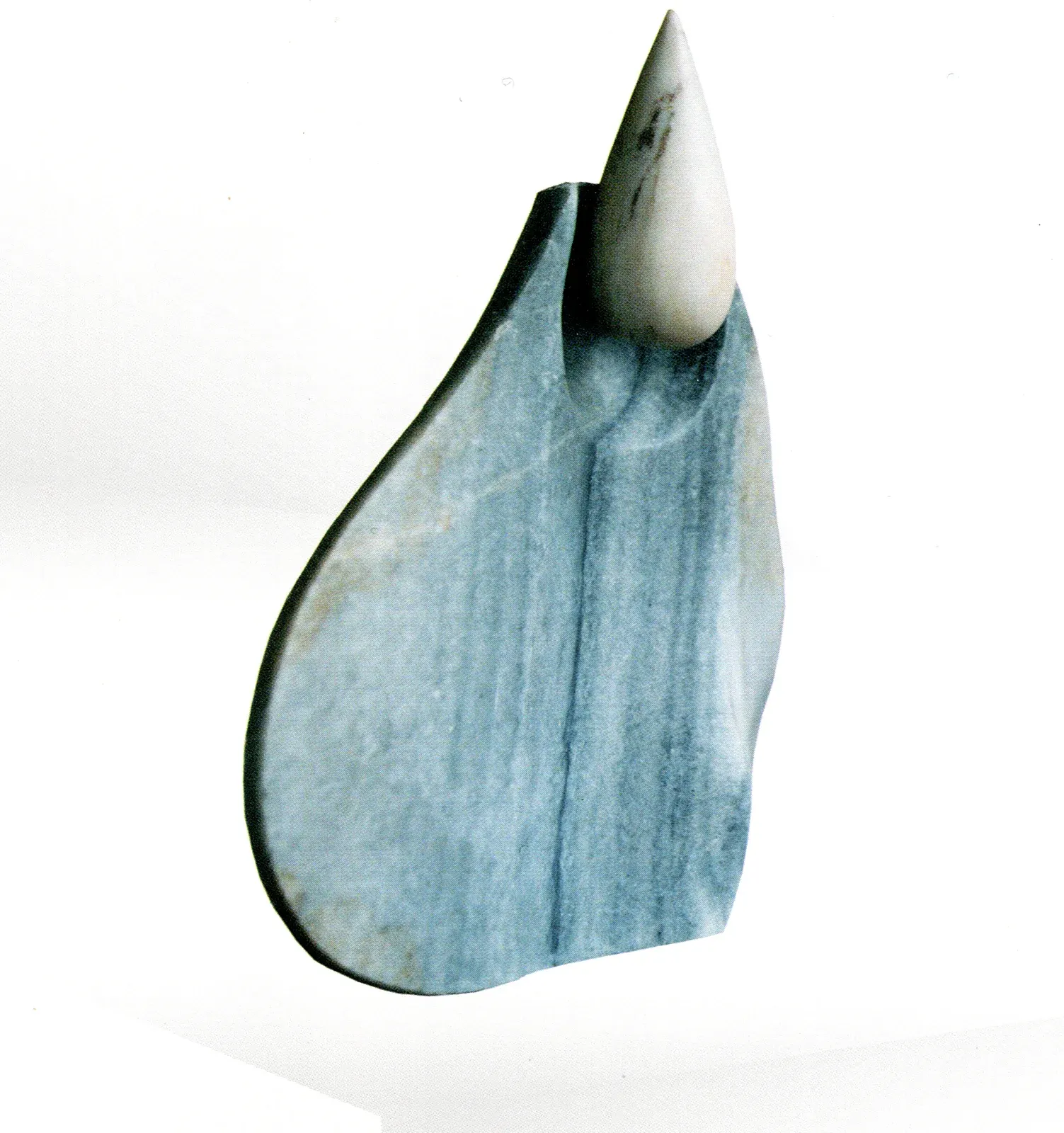
Kropla życia
Drop of life 1996 · marble - AW.S.0027
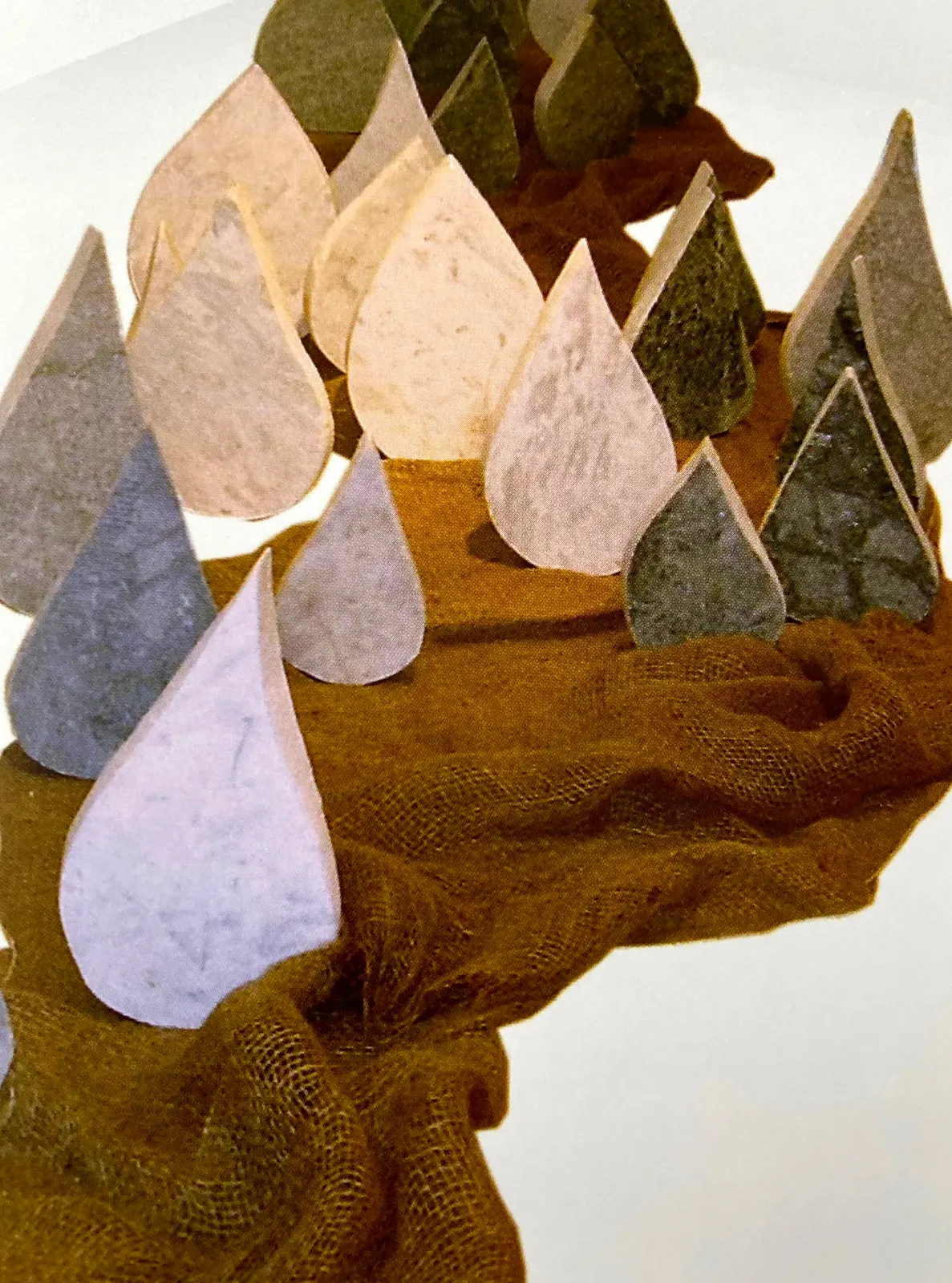
Droga
The road 1996 · marble - AW.S.0042
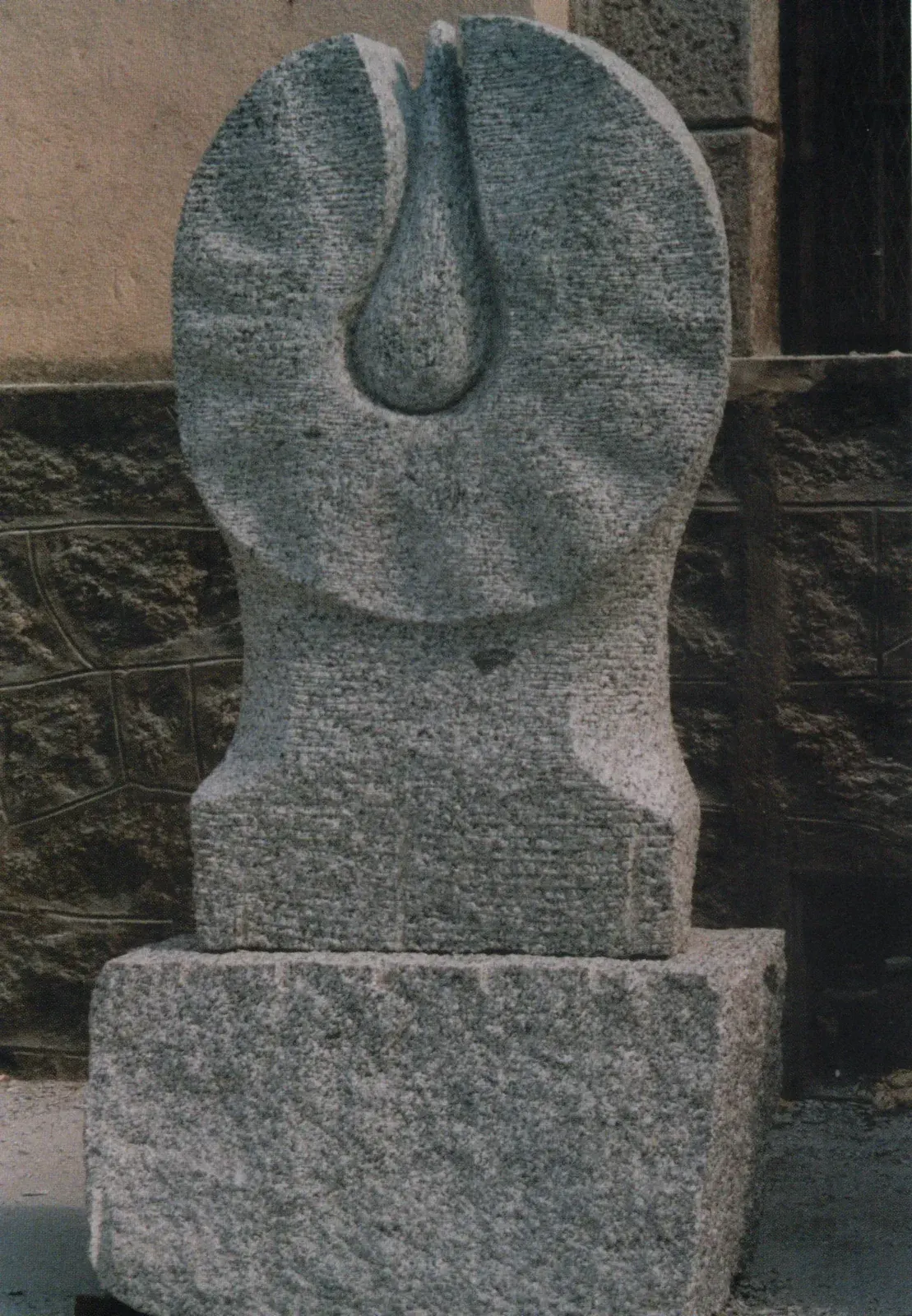
Łza szczęścia
Tear of happiness 1995 · granite - AW.S.0036
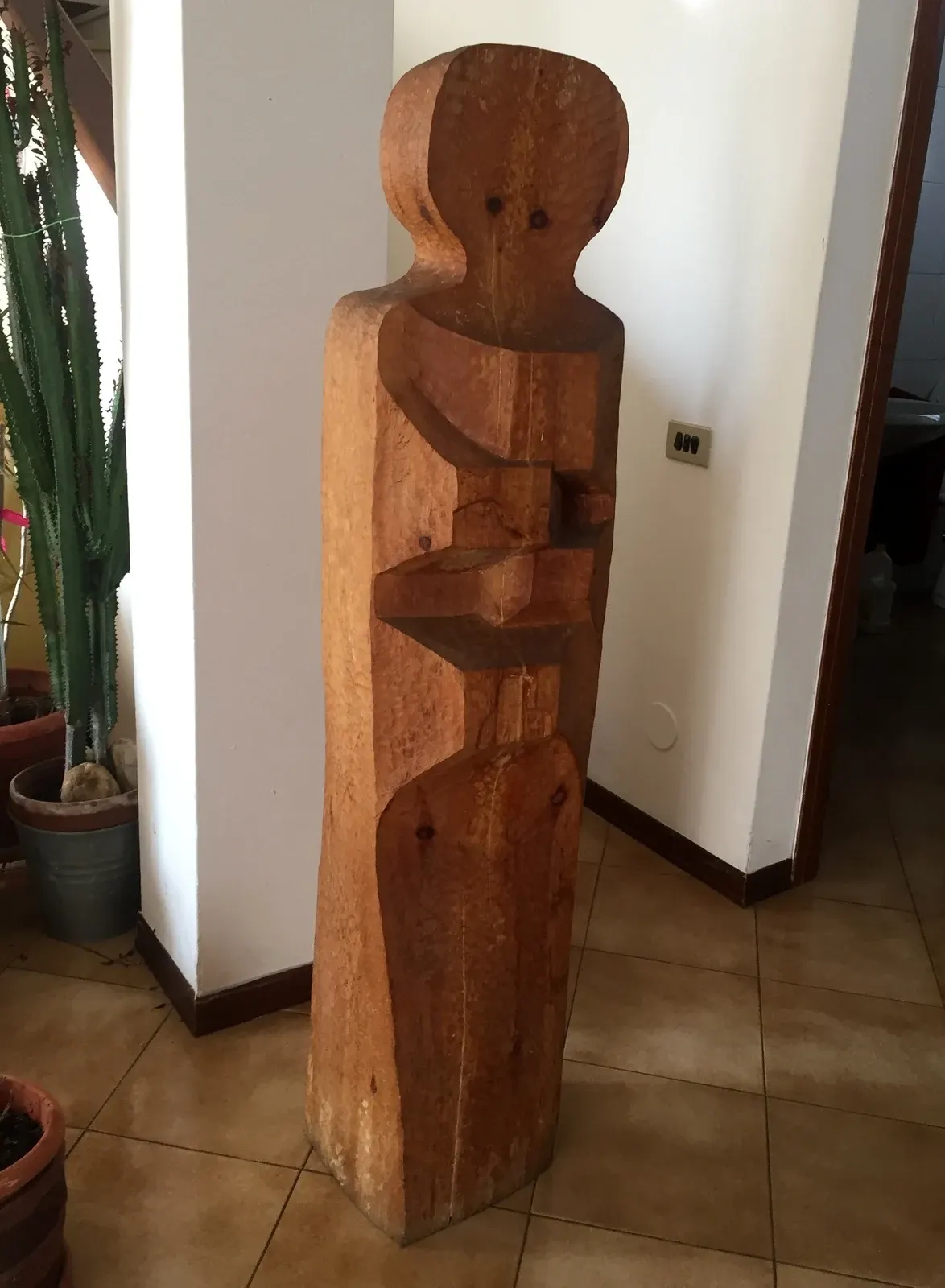
Dom
House 1994 · wood - AW.S.0065
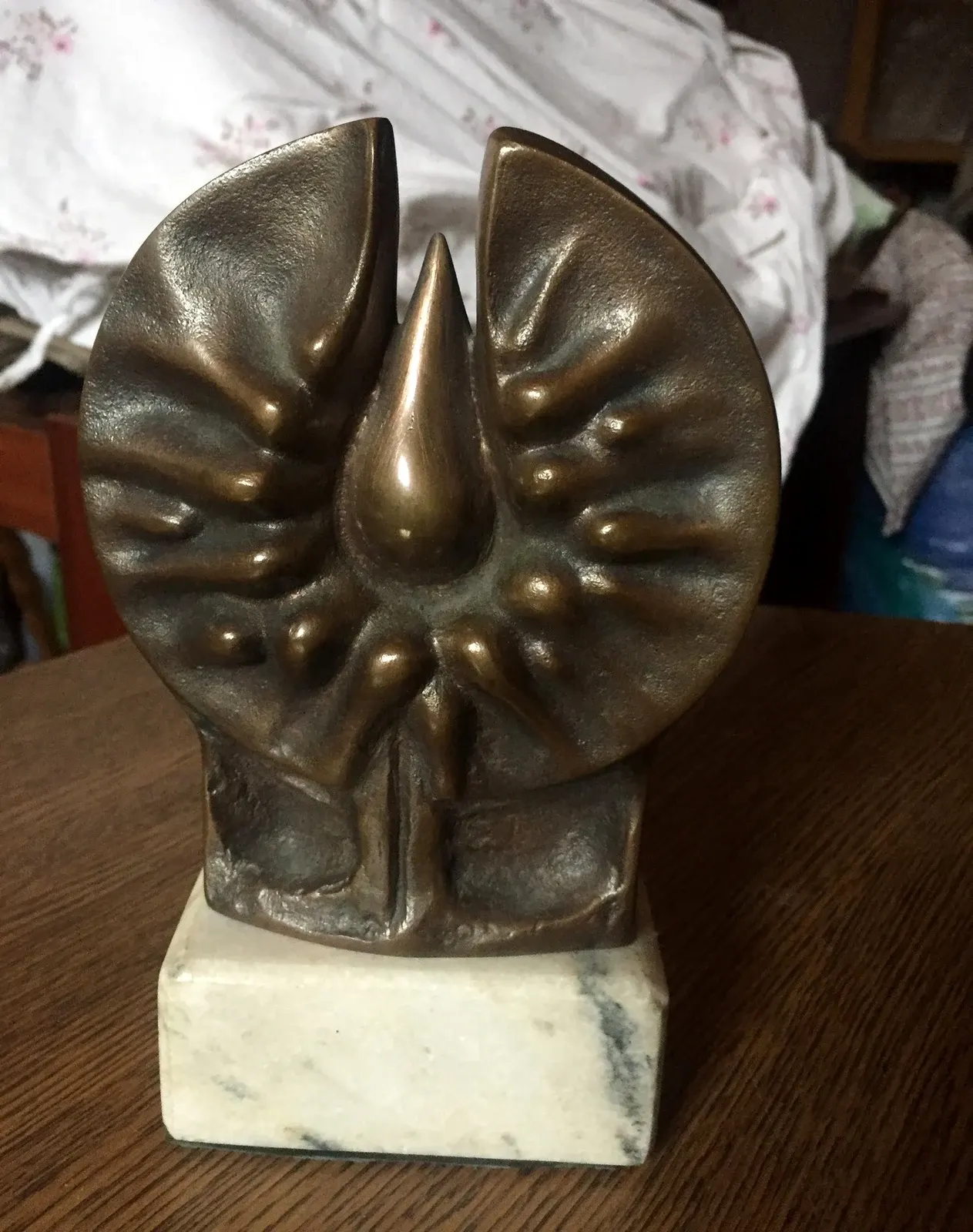
Z cyklu „Sacrum”
From the cycle «Sacrum» 1993 · bronze, marble - AW.S.0082
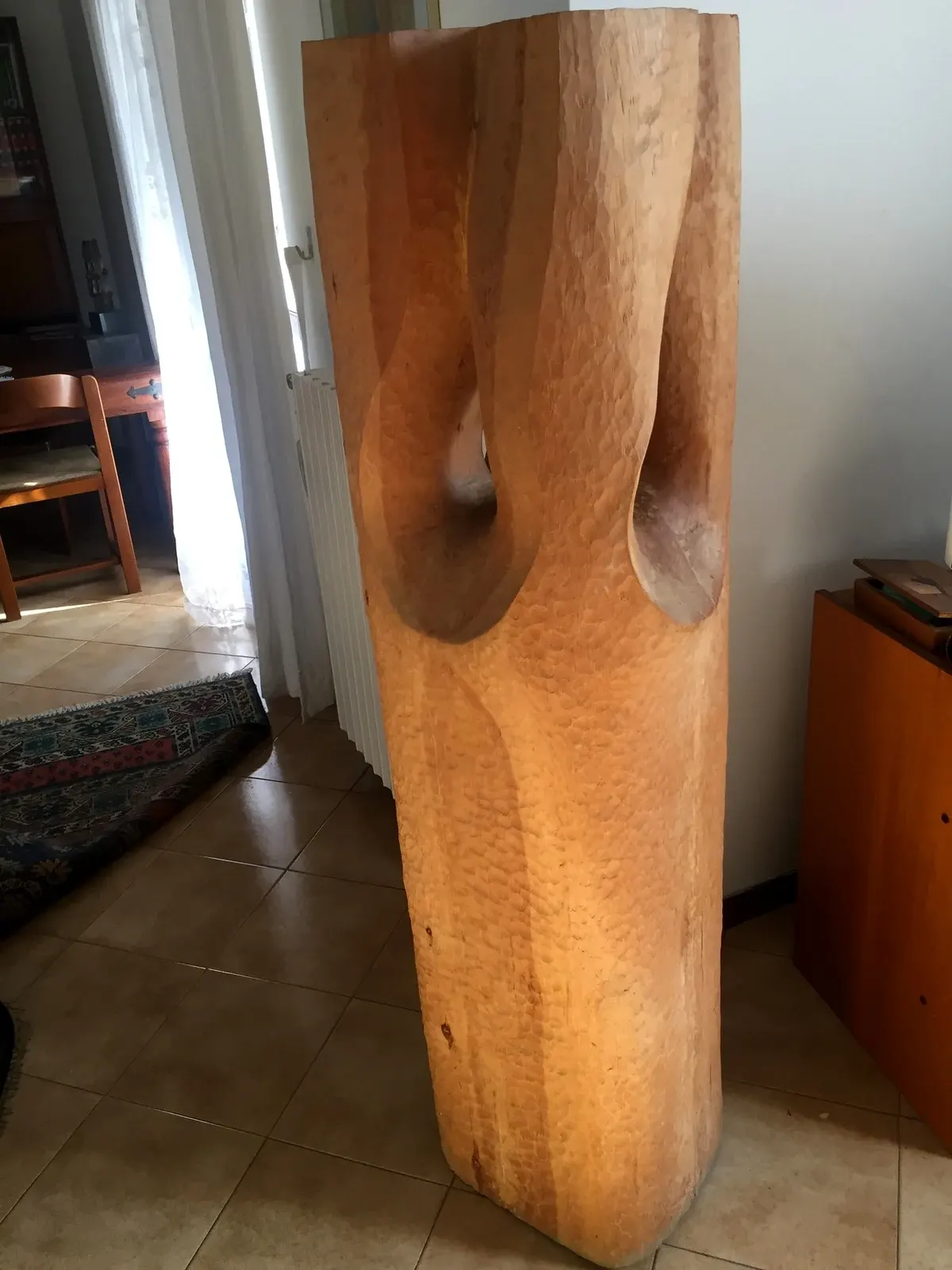
Łza poznania
Tear of knowledge 1993 · wood - AW.S.0003
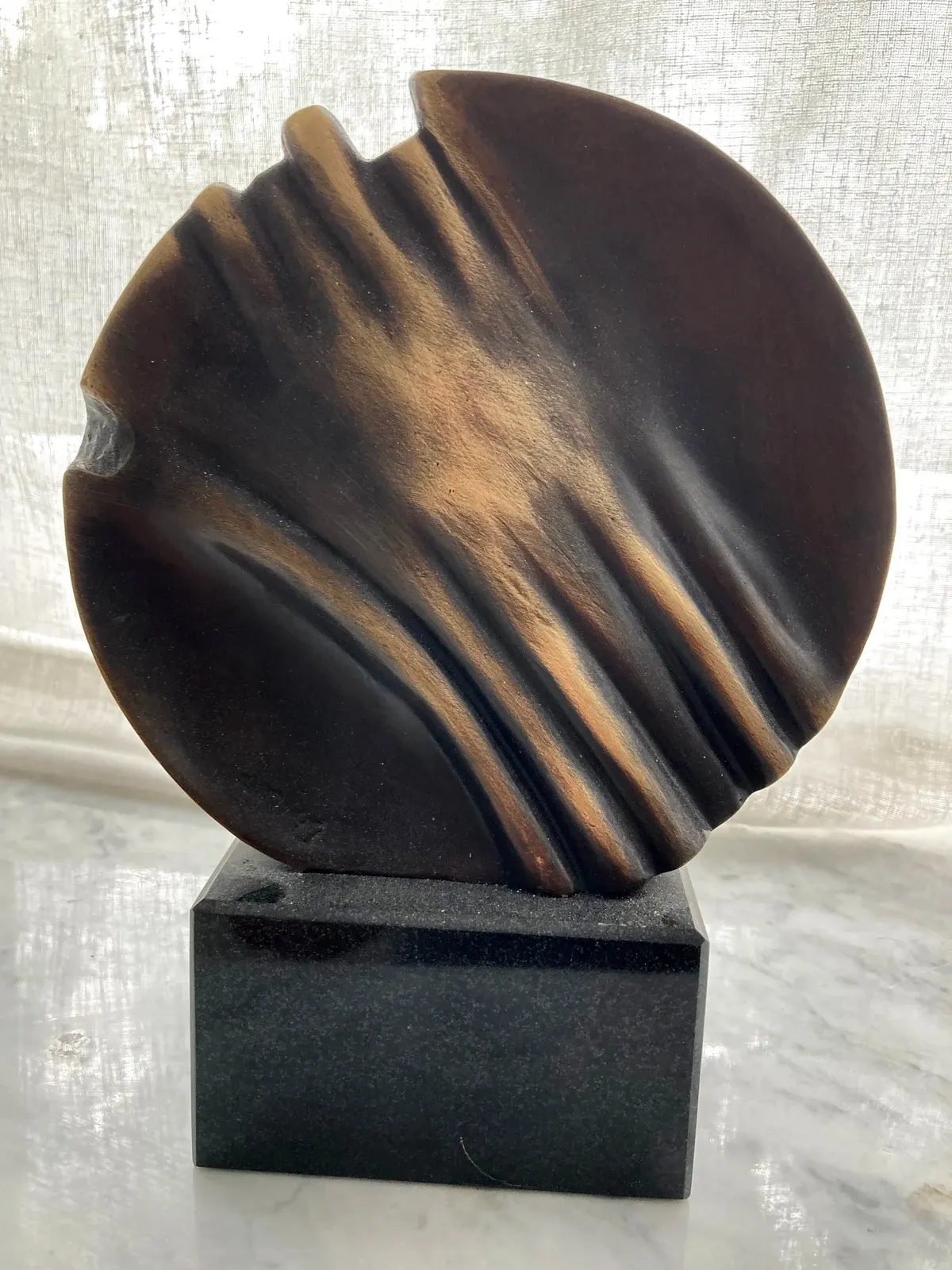
Rytmy
Rhythms 1992 · bronze - AW.S.0012
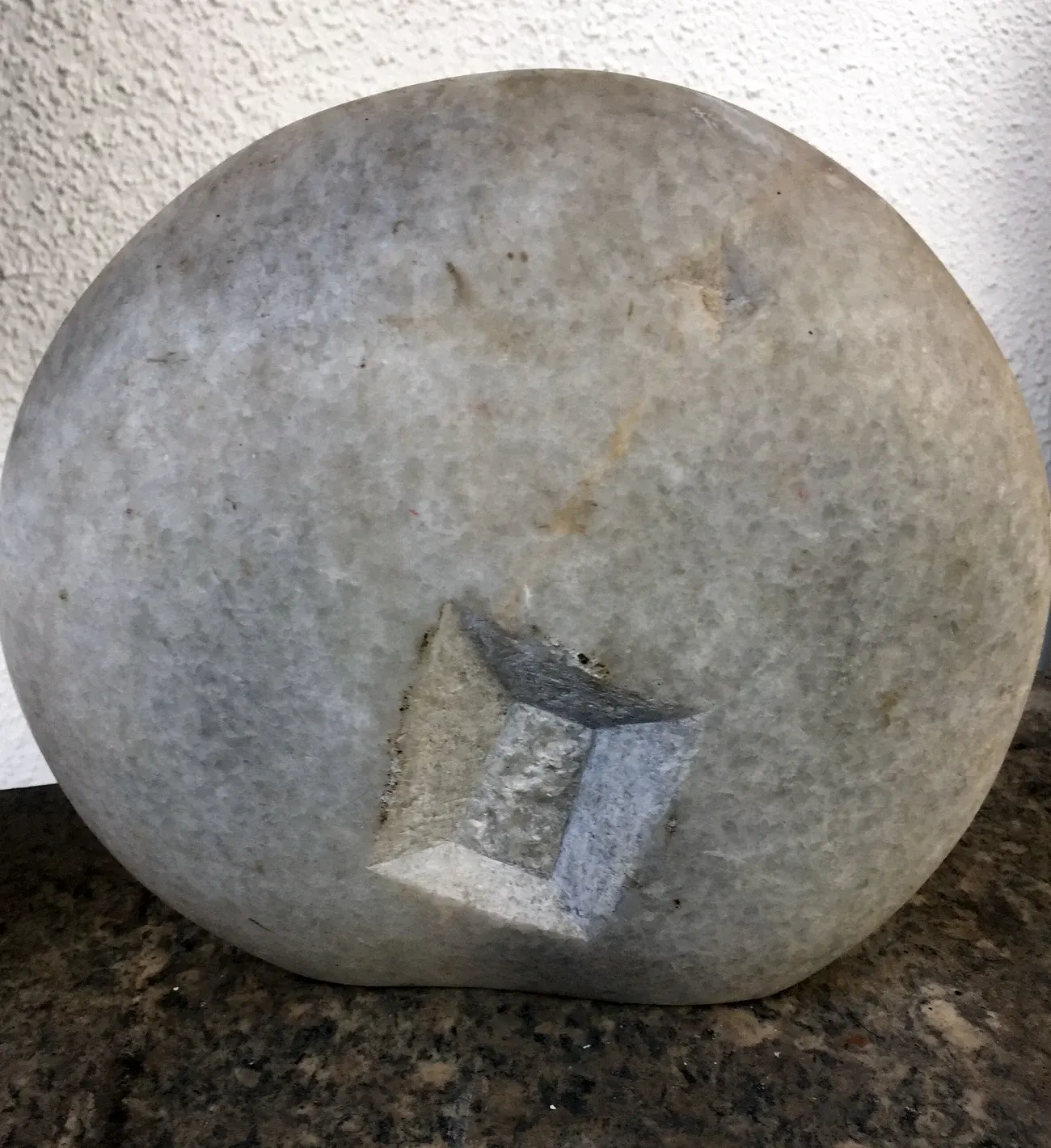
Latawiec
Kite 1992 · marble - AW.S.0051
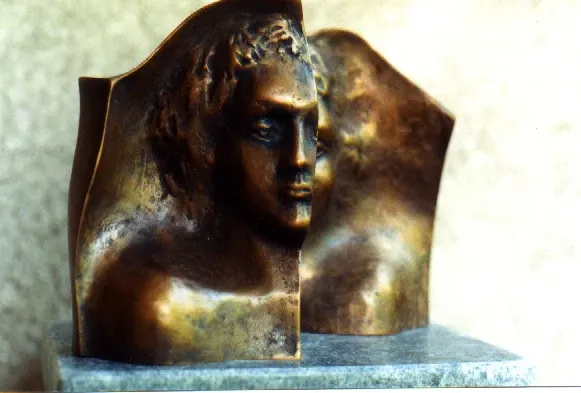
Kolejne odbicia
Further reflections 1992 · bronze and marble, three elements - AW.S.0068
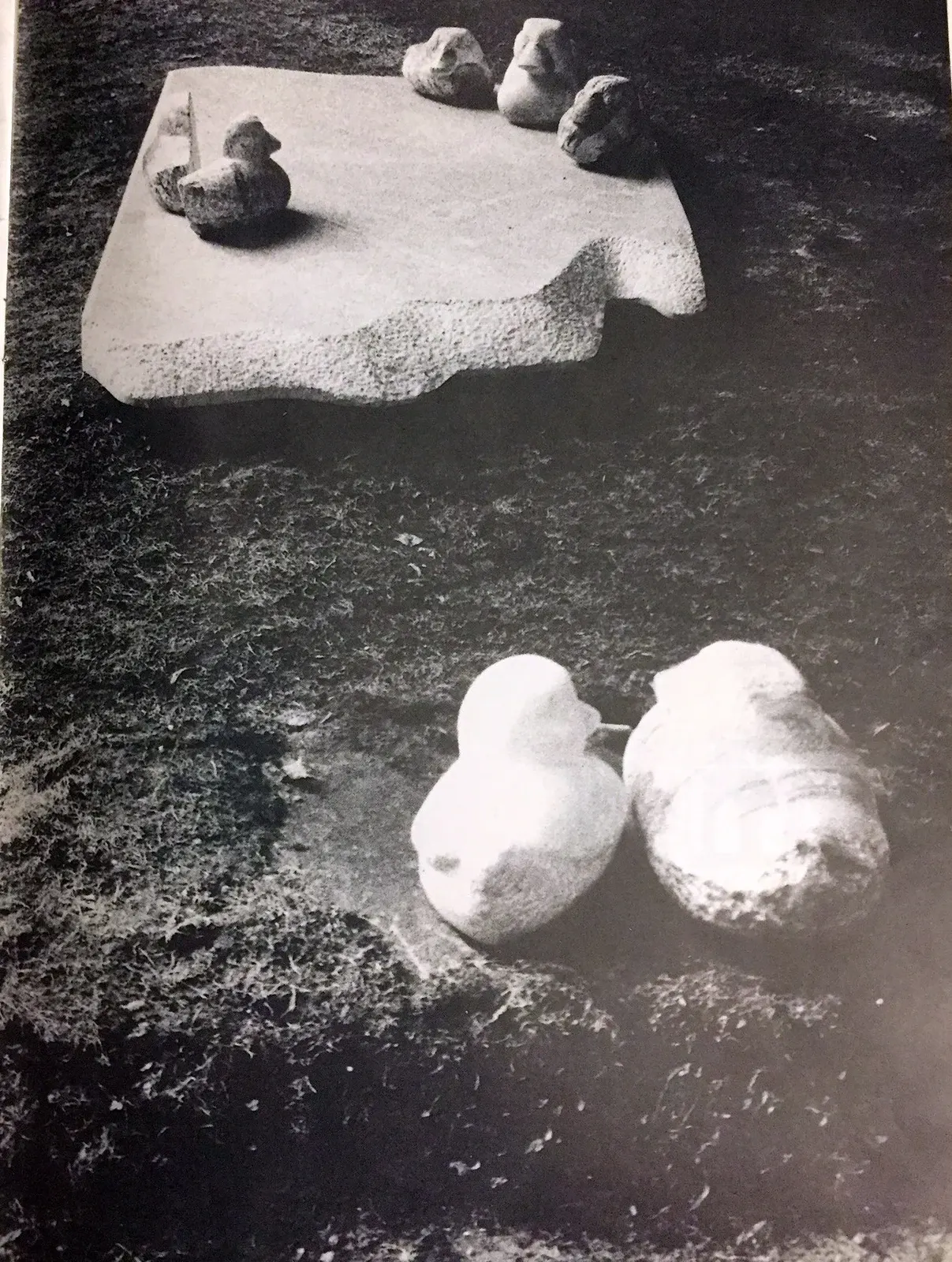
SoS-Natura
S.O.S. Nature 1992 · Krastal marble, smoky quartz, Gummern marble - AW.S.0015
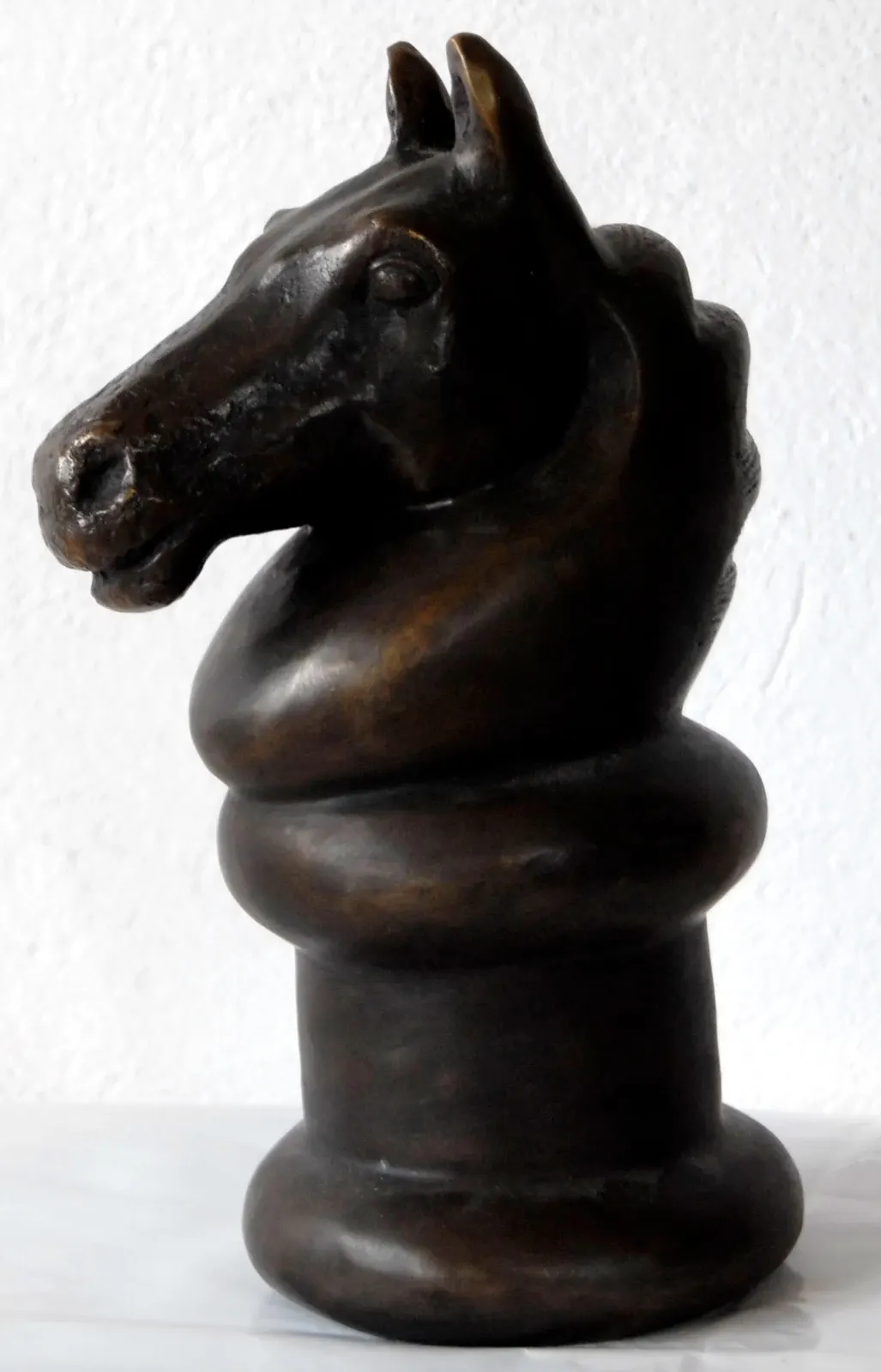
Konik
Little horse 1990 · bronze - AW.S.0035
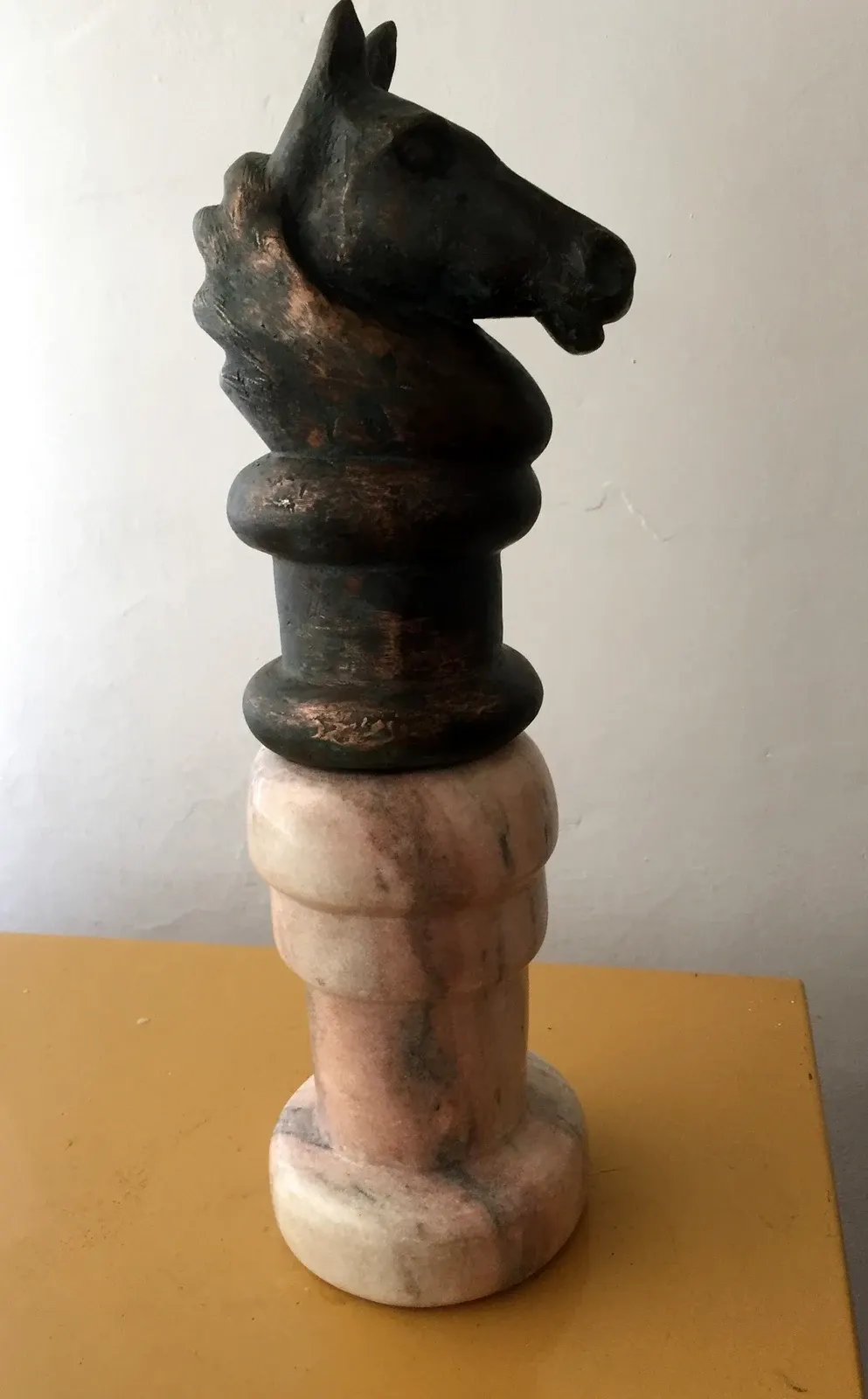
Konik
Little horse 1990 · marble and bronze - AW.S.0041
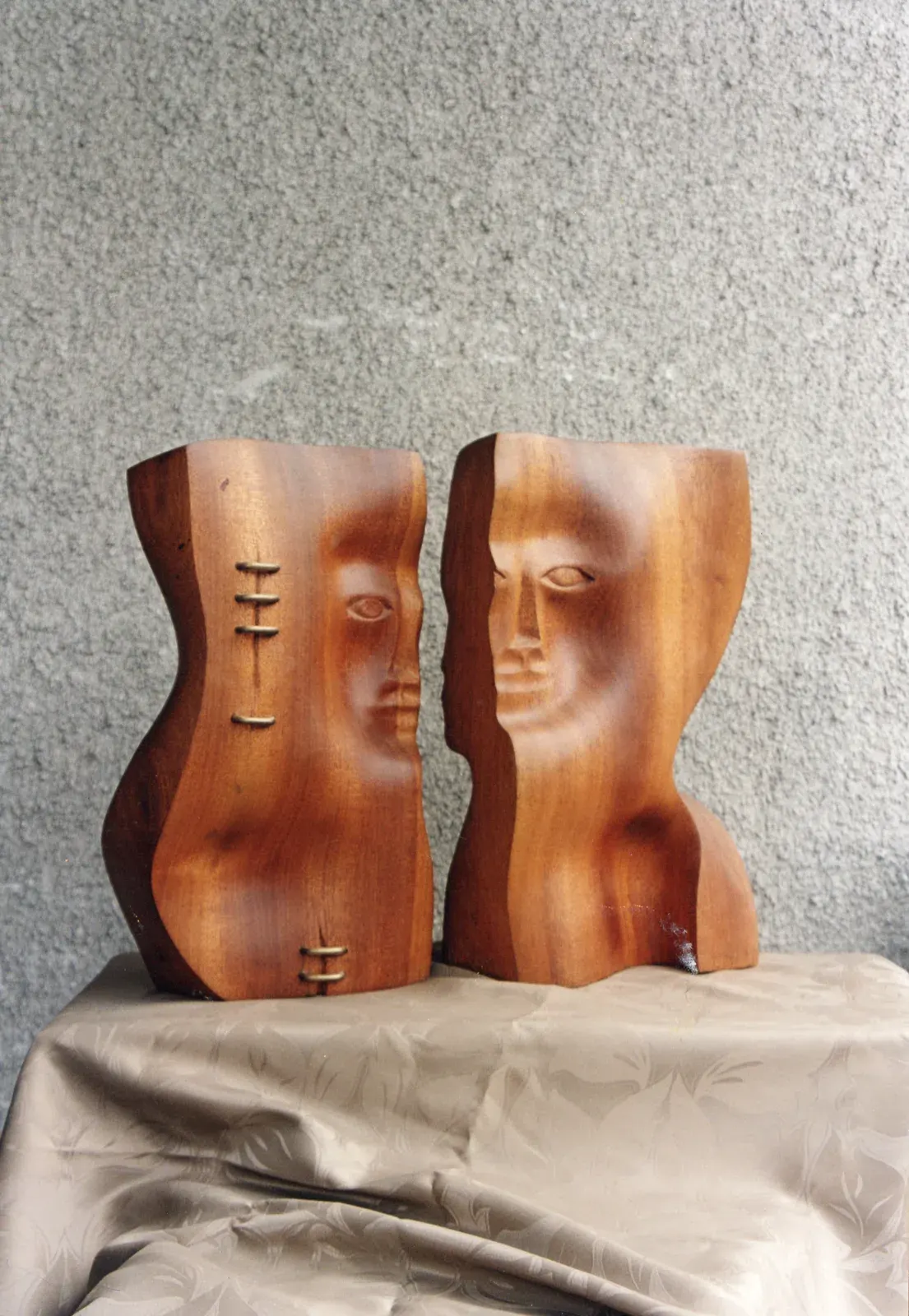
Kolejne odbicia
Further reflections 1989 · mahogany - AW.S.0030
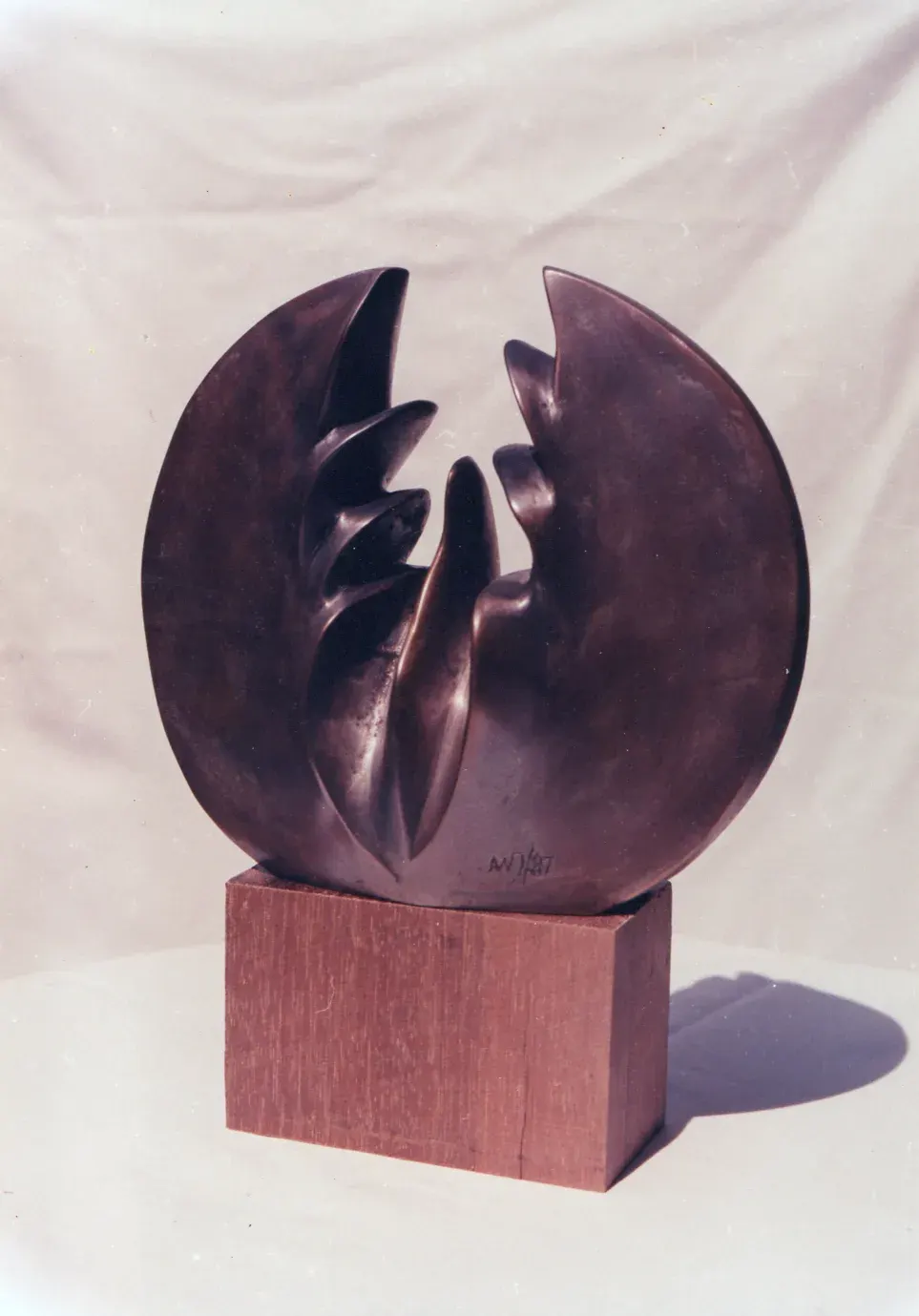
Wzrastanie (z cyklu Dyski)
Growth 1988 · bronze - AW.S.0048
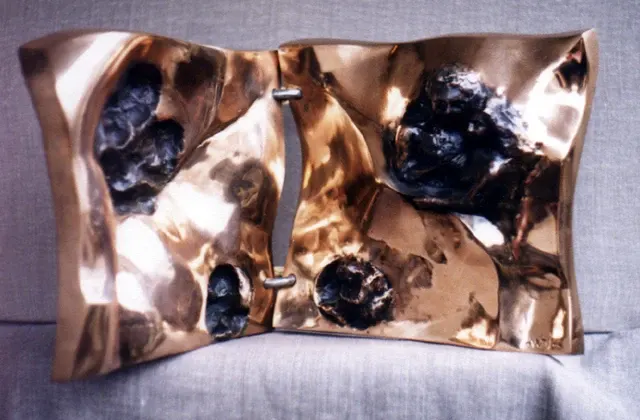
Narodziny (z cyklu Przemijanie)
Birth (from the cycle «Przemijanie») 1988 · bronze - AW.S.0160
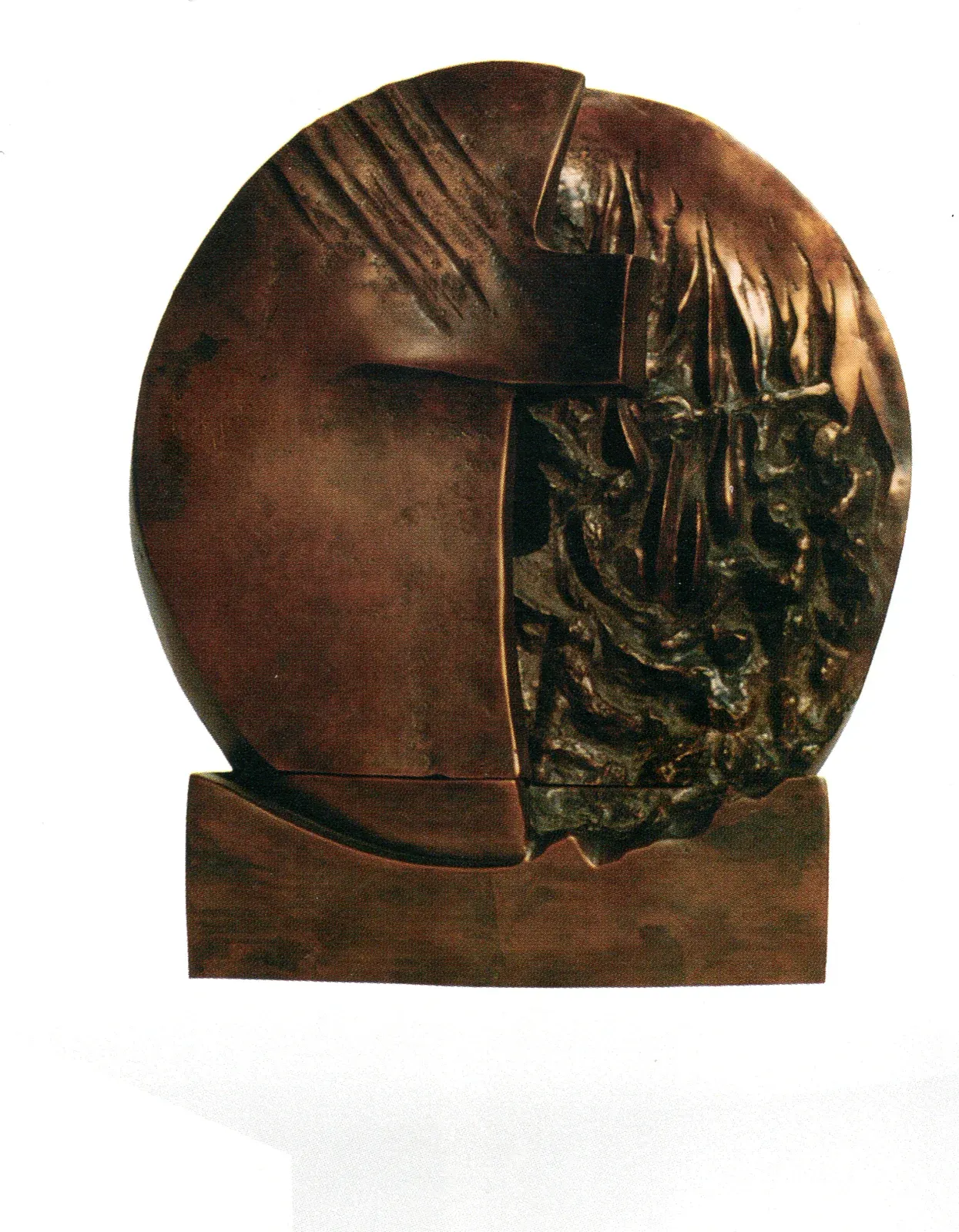
Oczyszczenie przez ogień do tekstu Dantego
1988 · bronze - AW.S.0006
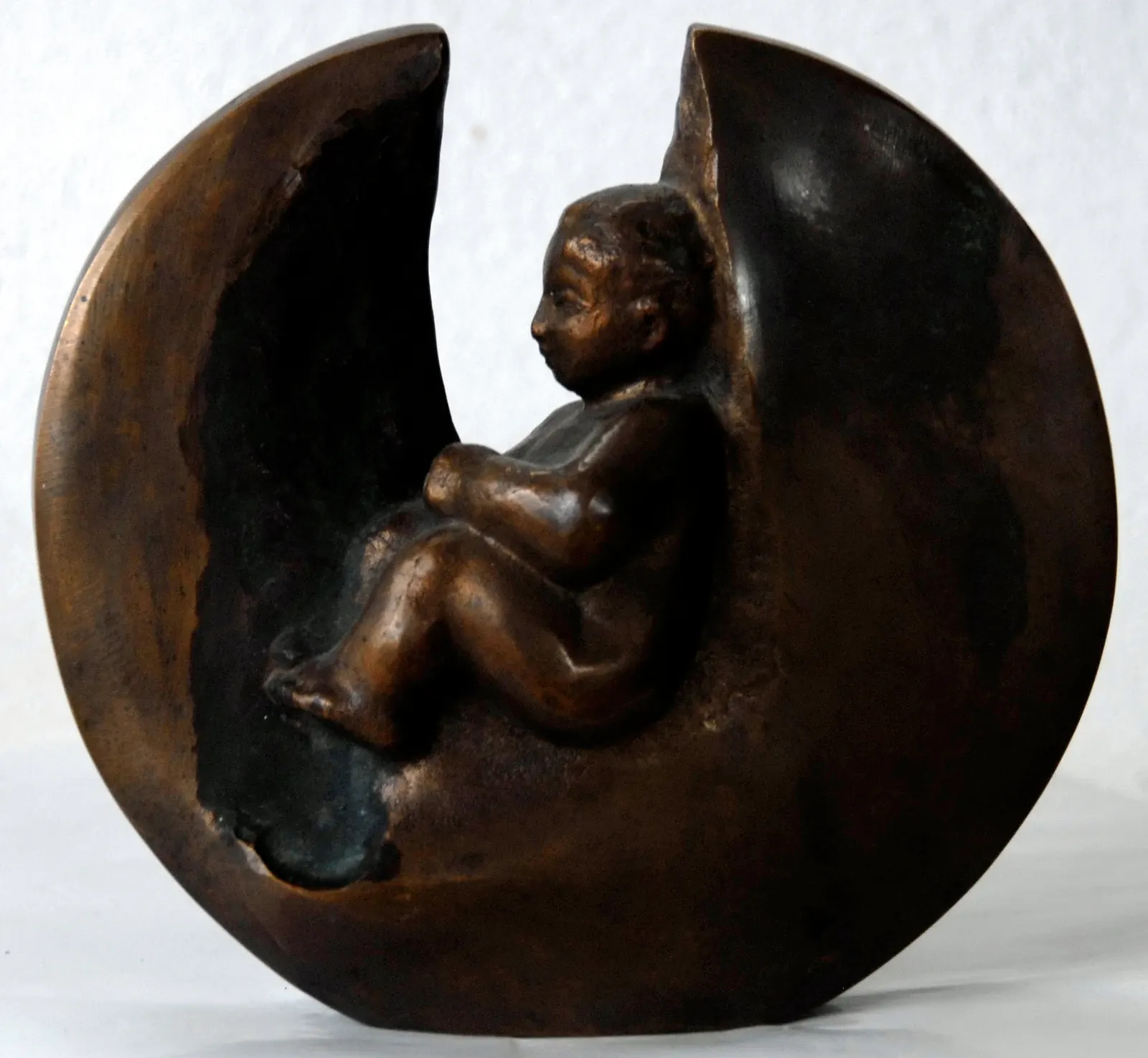
Dziecko oczekujące
Child waiting 1987 · bronze - AW.S.0021
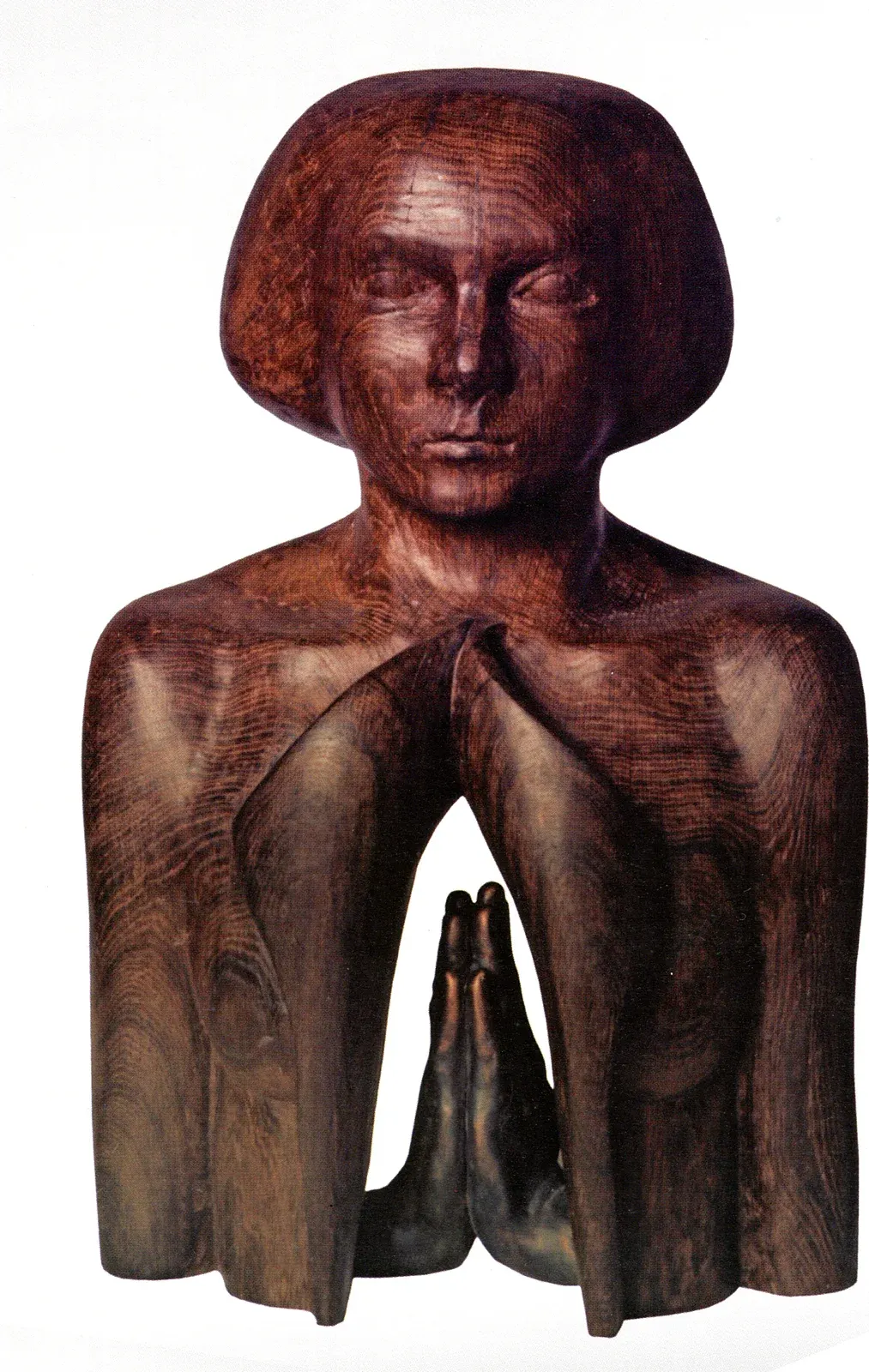
Skupienie
Recollection 1986–87 · black oak, bronze - AW.S.0031
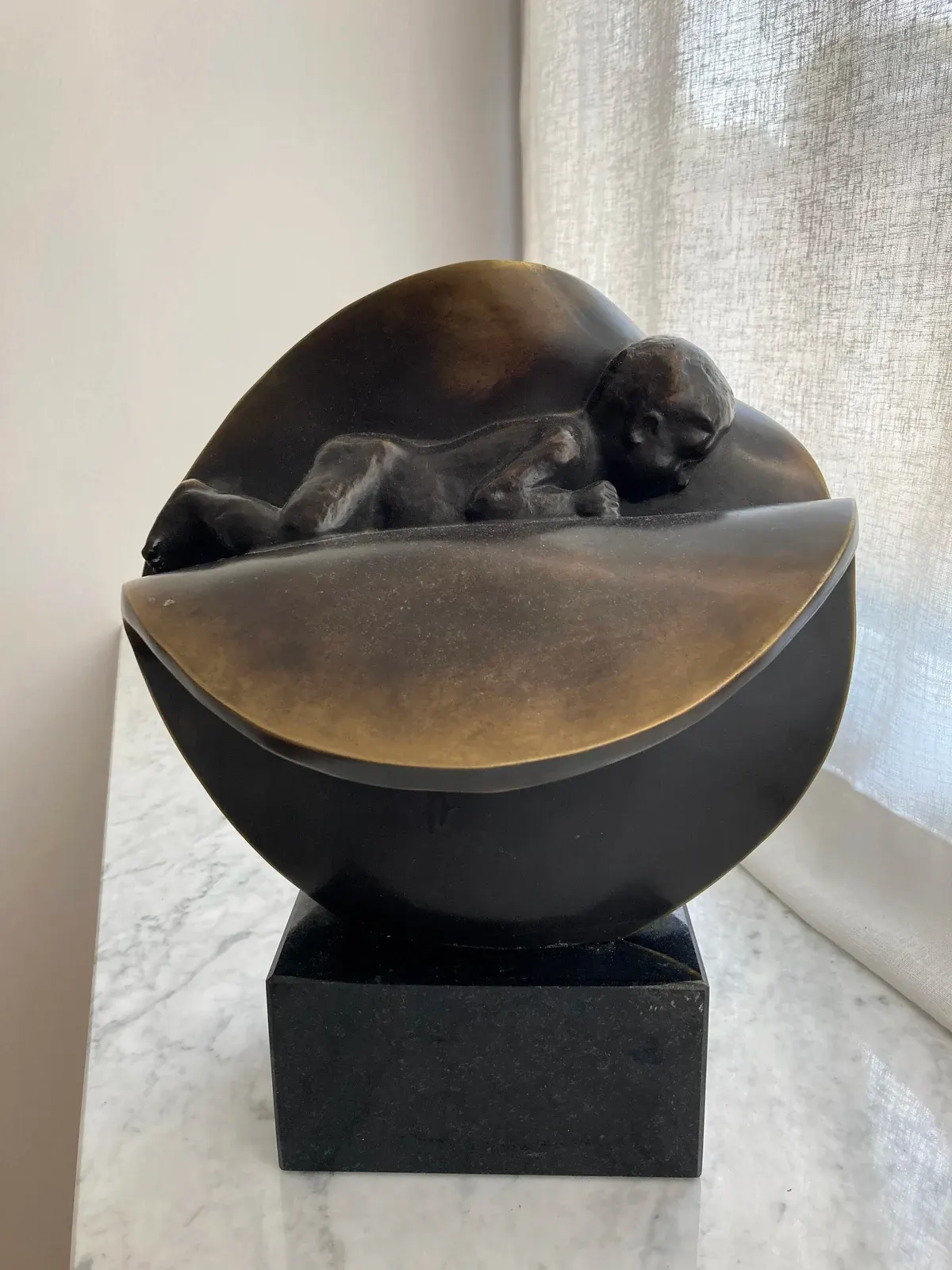
Narodziny
Birth 1986 · bronze - AW.S.0050
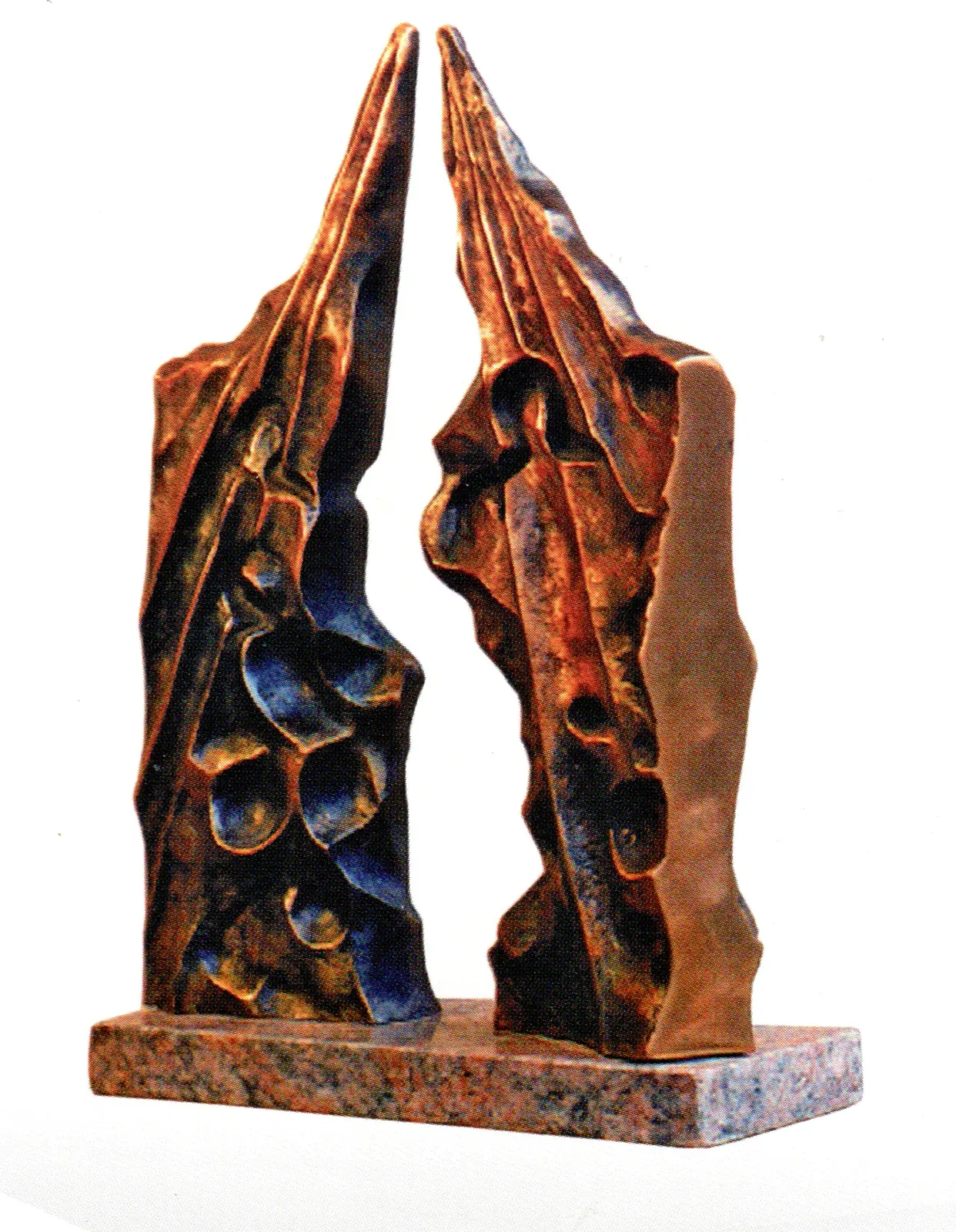
Droga do Nieba
The road to Heaven 1986 · bronze - AW.S.0134
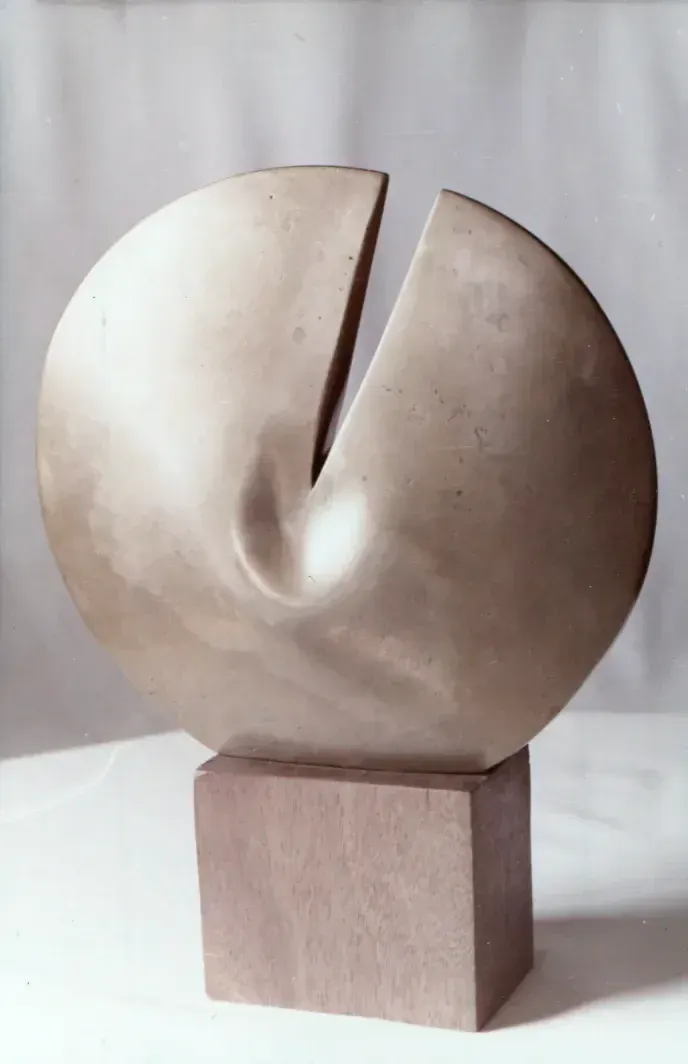
Pisarzowi
To the writer 1983 · bronze, granite base - AW.S.0018
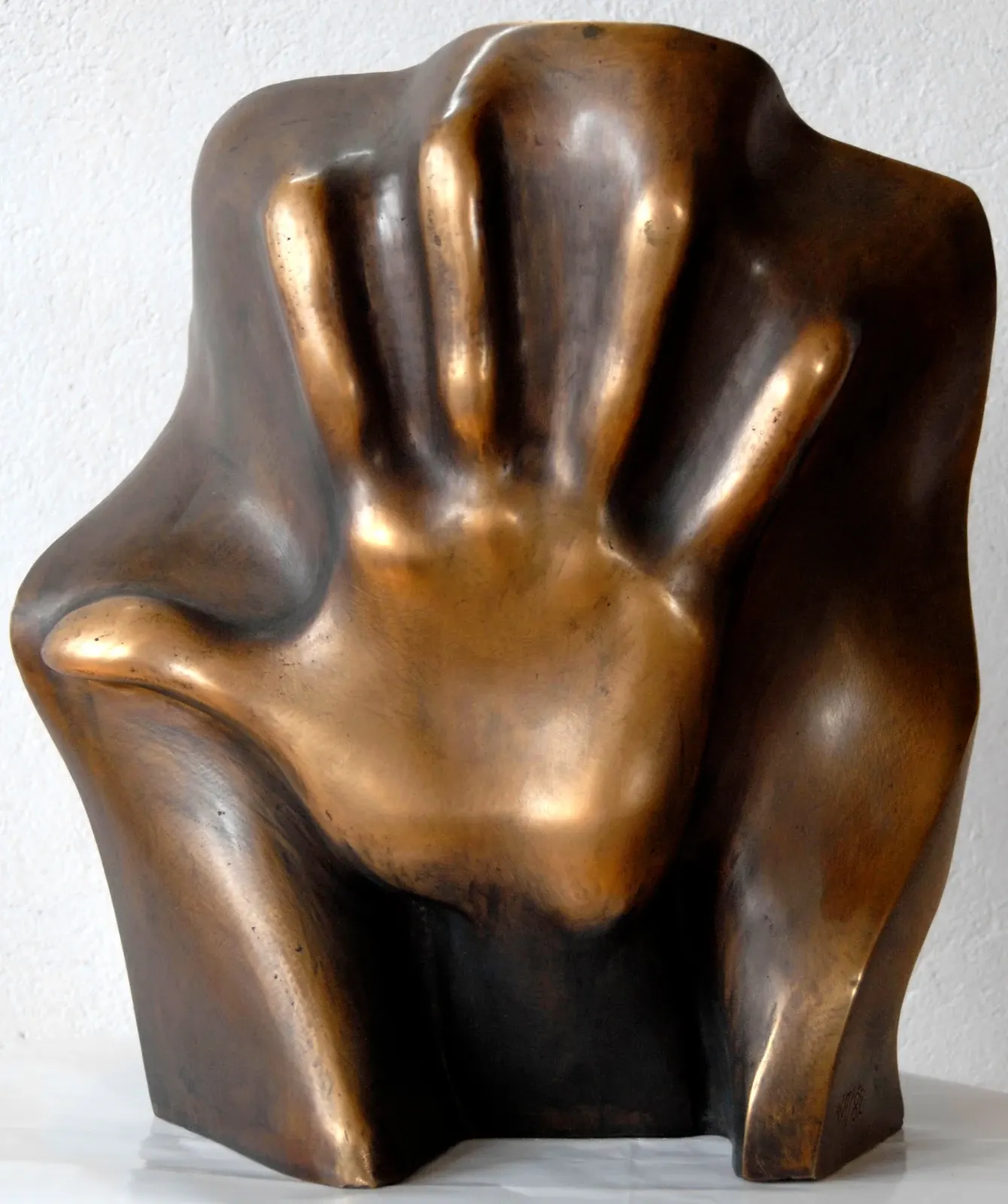
Pamięci Emila „B”
In memory of Emil B. 1982 · bronze - AW.S.0043
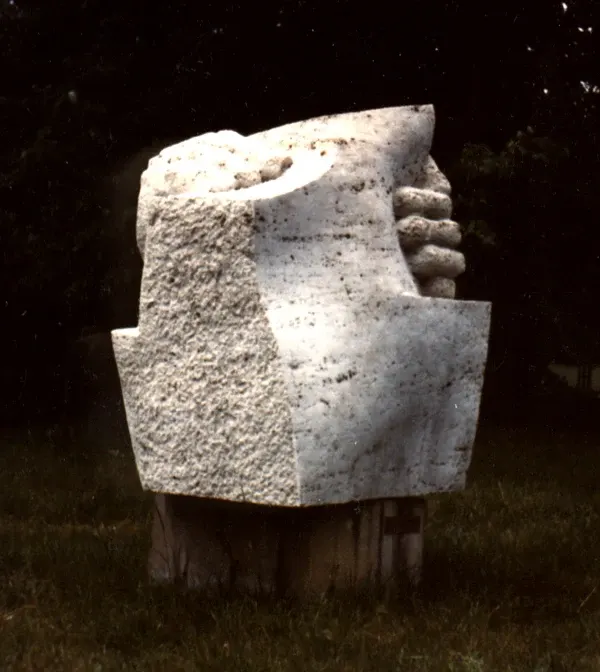
Zmaganie
Struggle 1982 · travertine - AW.S.0046
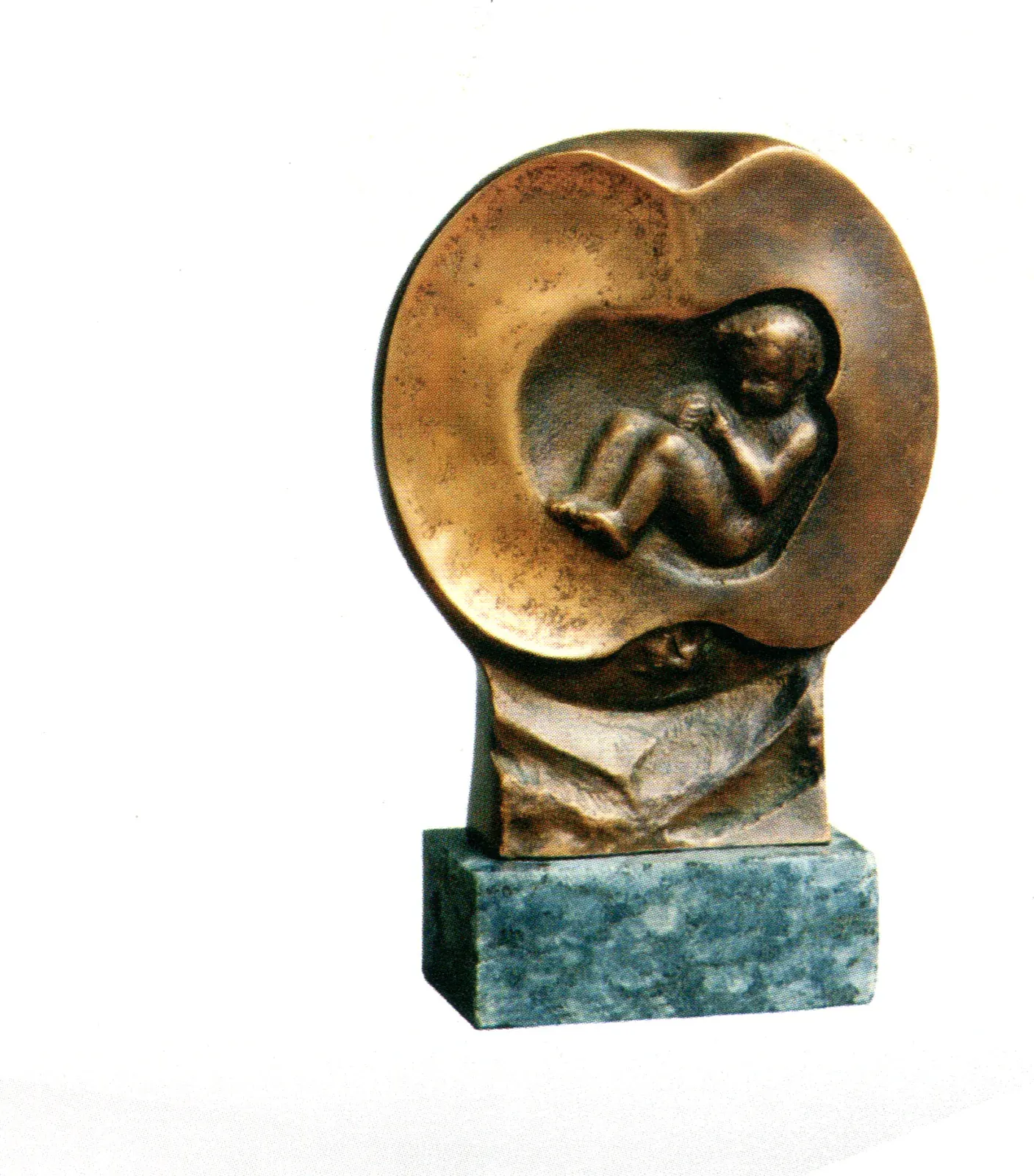
Dziecko
Child 1982 · bronze - AW.S.0158
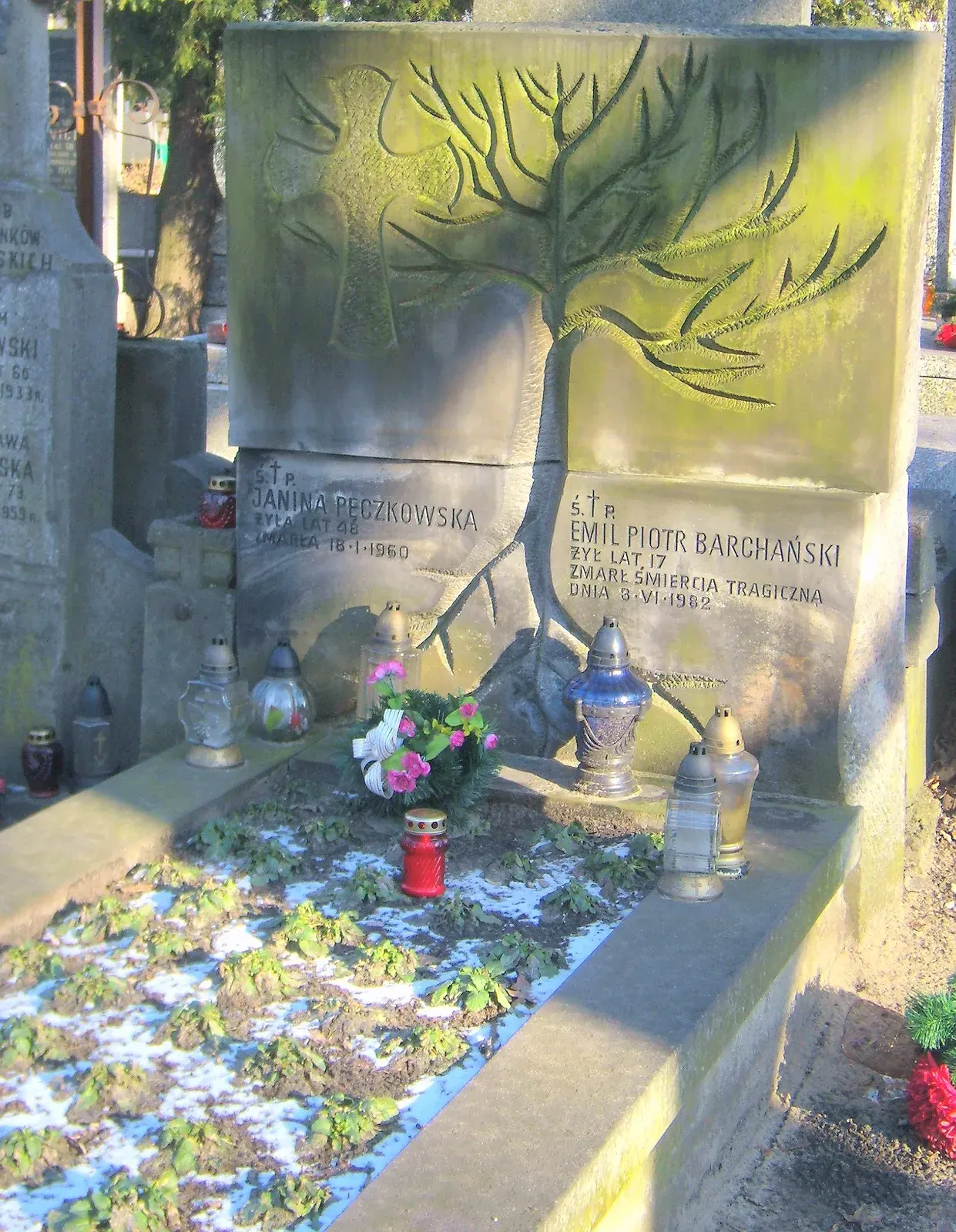
Nagrobek Emila Barchańskiego
Tomb of Emil Barchański 1982 · light stone, bas-relief - AW.S.0014
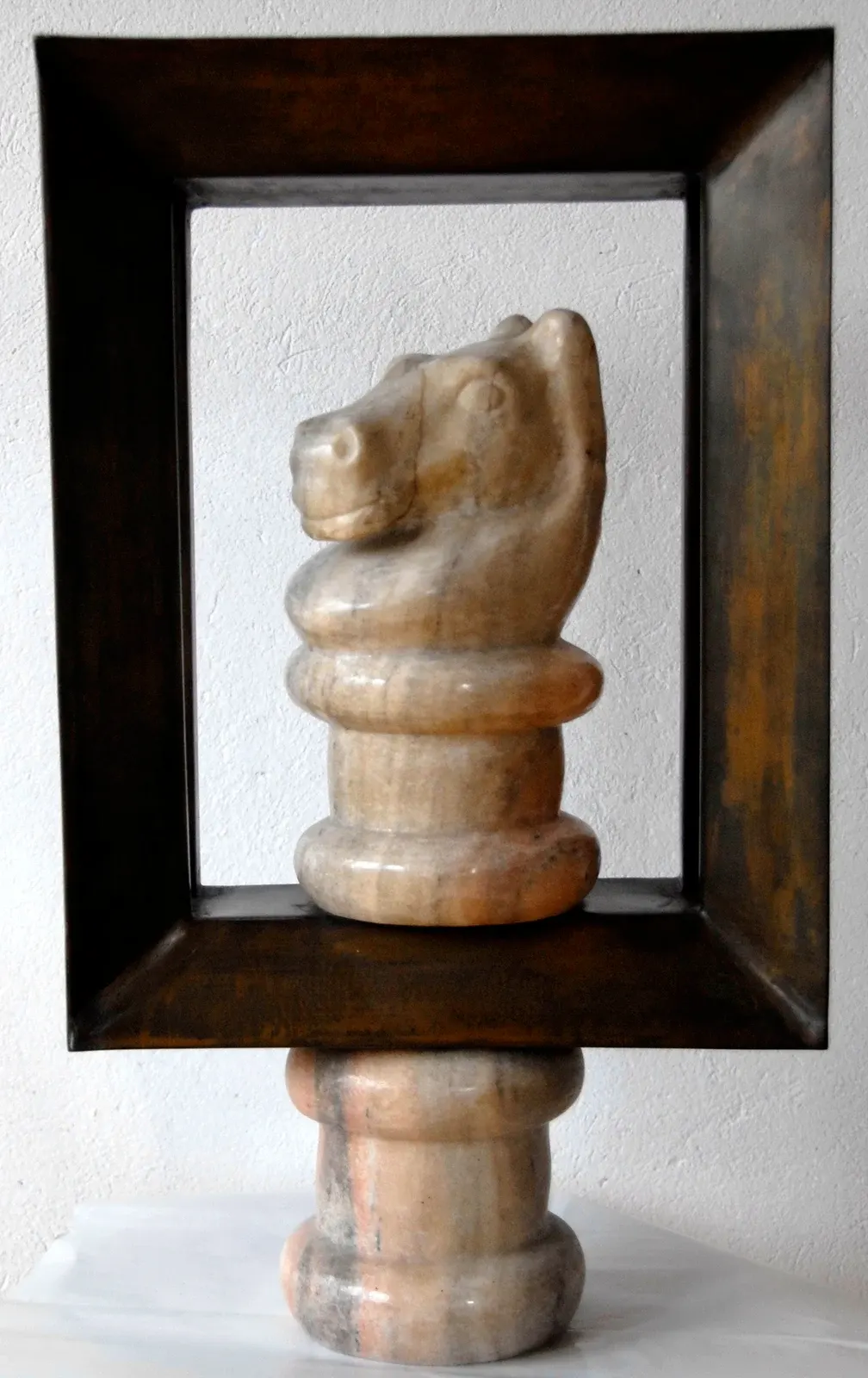
Ruch
Movement 1981–87 · marble, brass - AW.S.0022
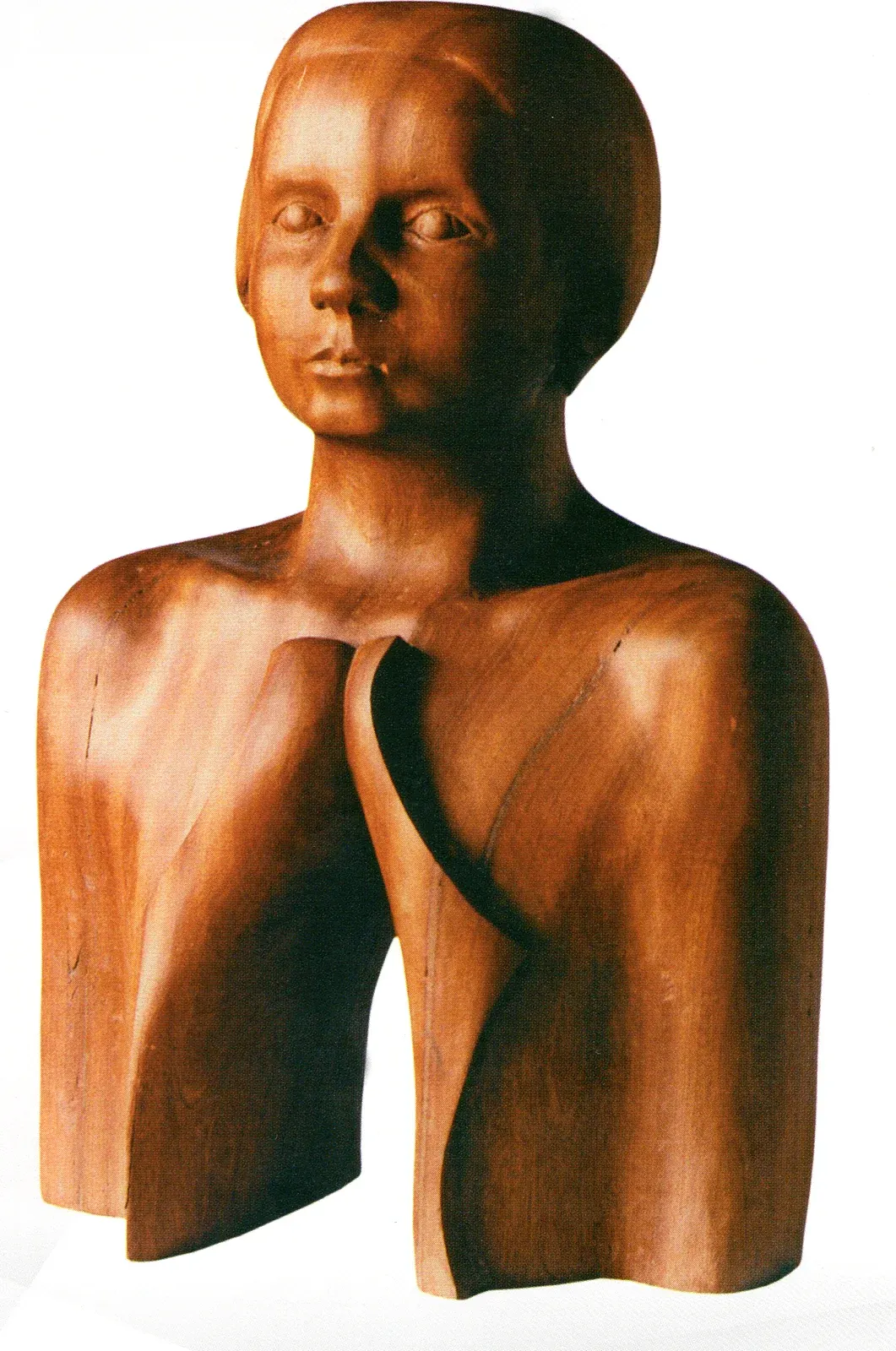
Rozdarty
Torn 1981–84 · mahogany - AW.S.0060
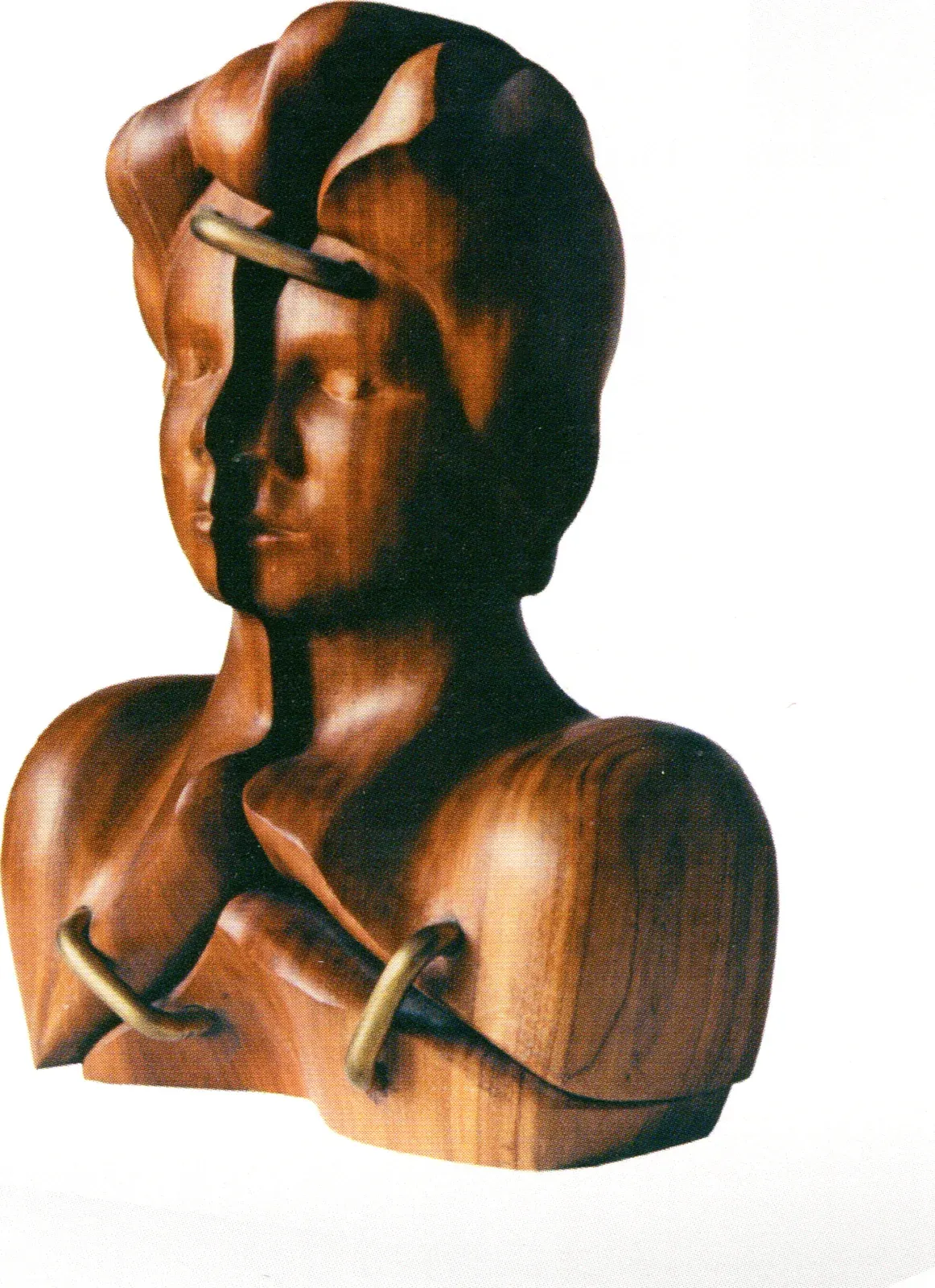
Scalona
Re-joined 1981 · mahogany, brass - AW.S.0159
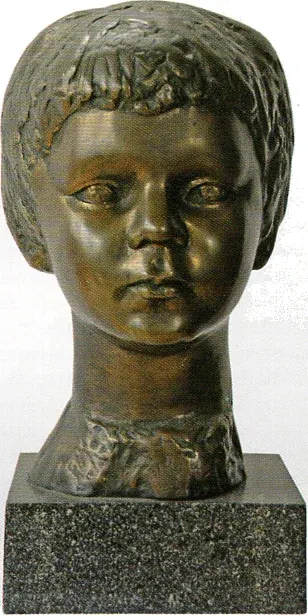
Albert
1981 · bronze - AW.S.0007
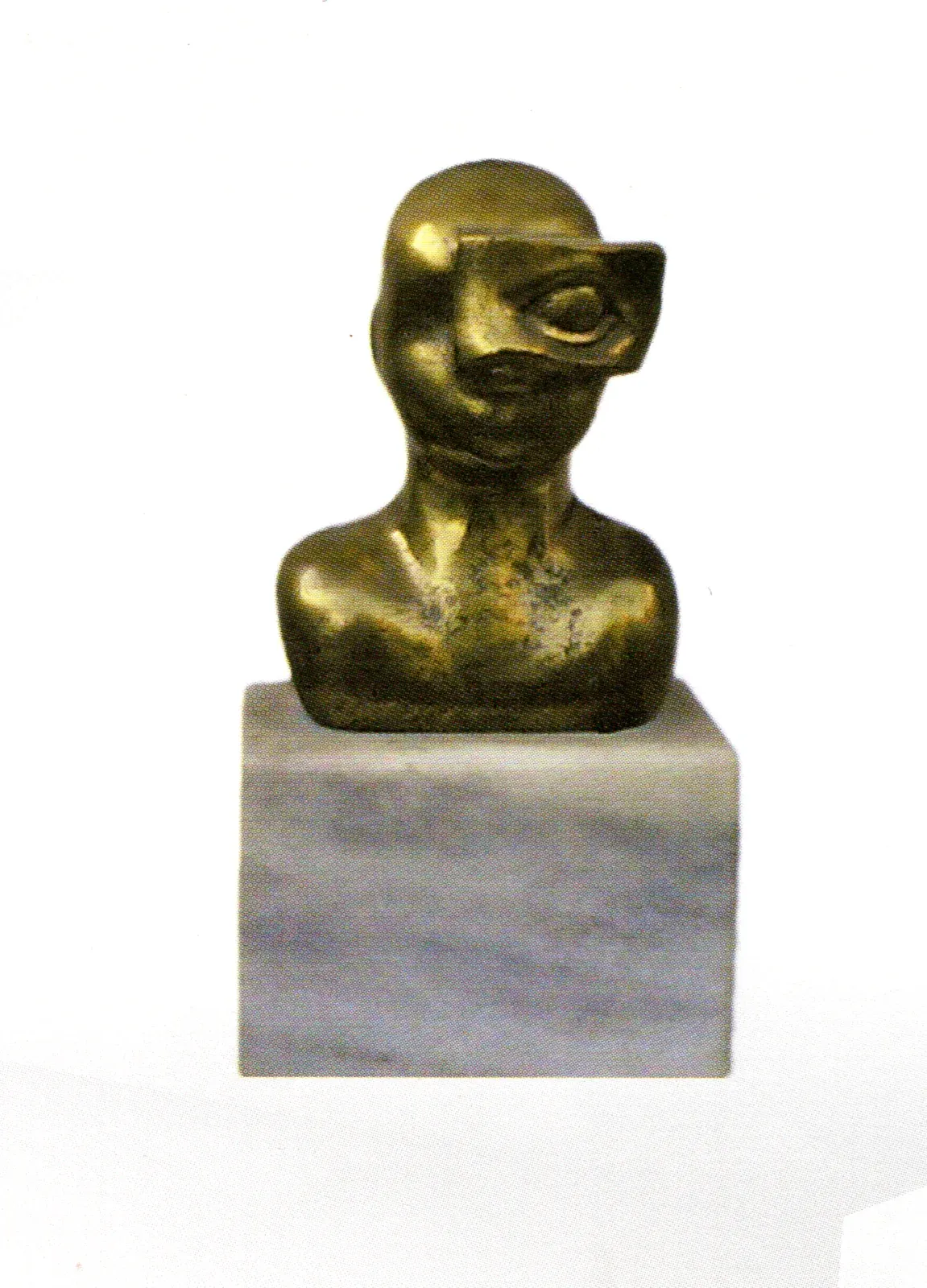
Subiektywny
Subjective 1980 · bronze - AW.S.0009
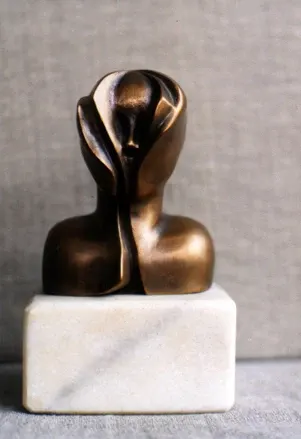
Z cyklu Subiektywny
From the cycle «Subiektywny» 1980 · bronze - AW.S.0059
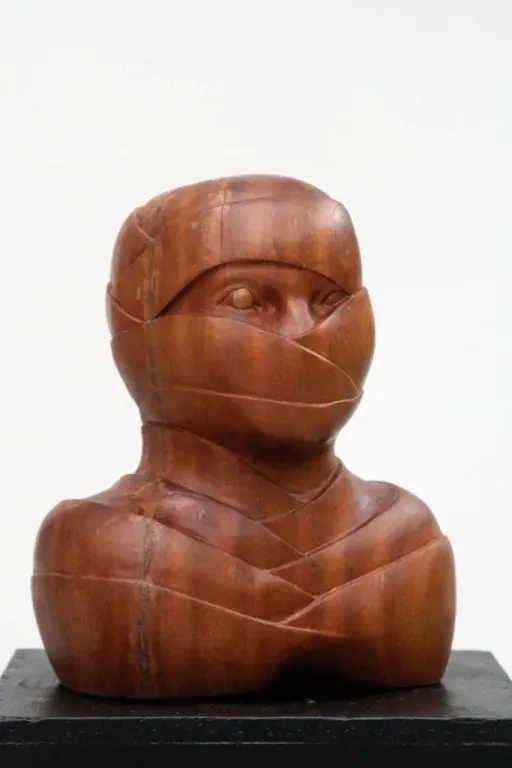
Subiektywny I
Subjective I 1980 · wood - AW.S.0126
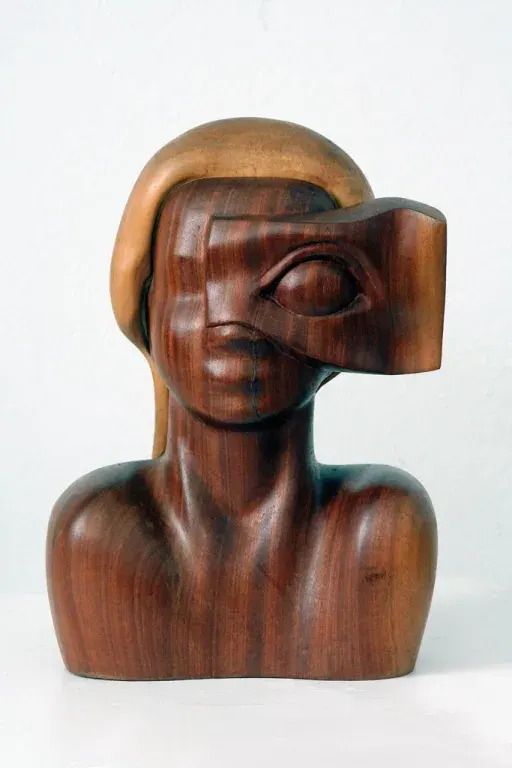
Subiektywny II
Subjective II 1980 · wood (mahogany and maple) - AW.S.0016
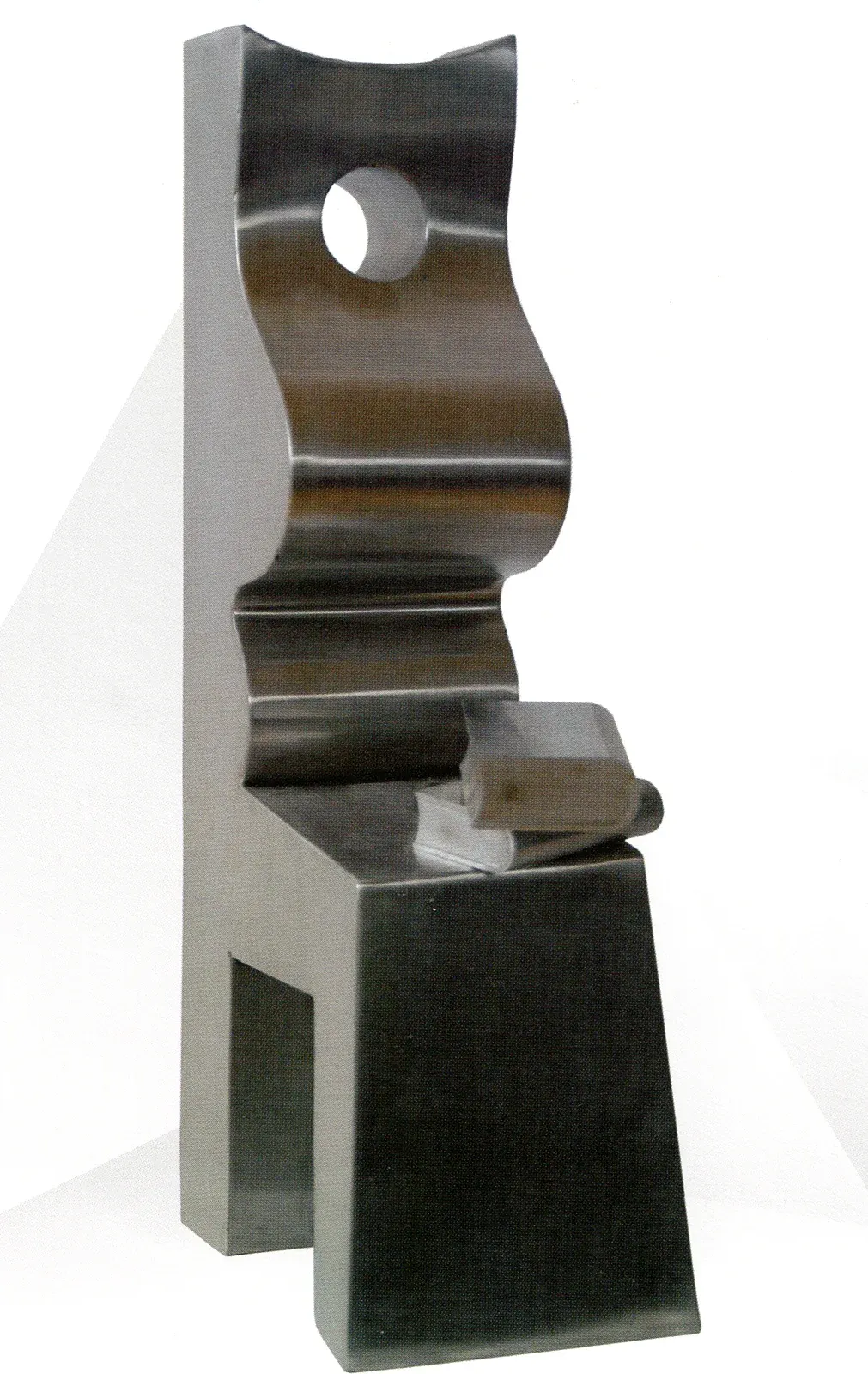
Matka z książką
Mother with a book 1979 · stainless steel - AW.S.0029
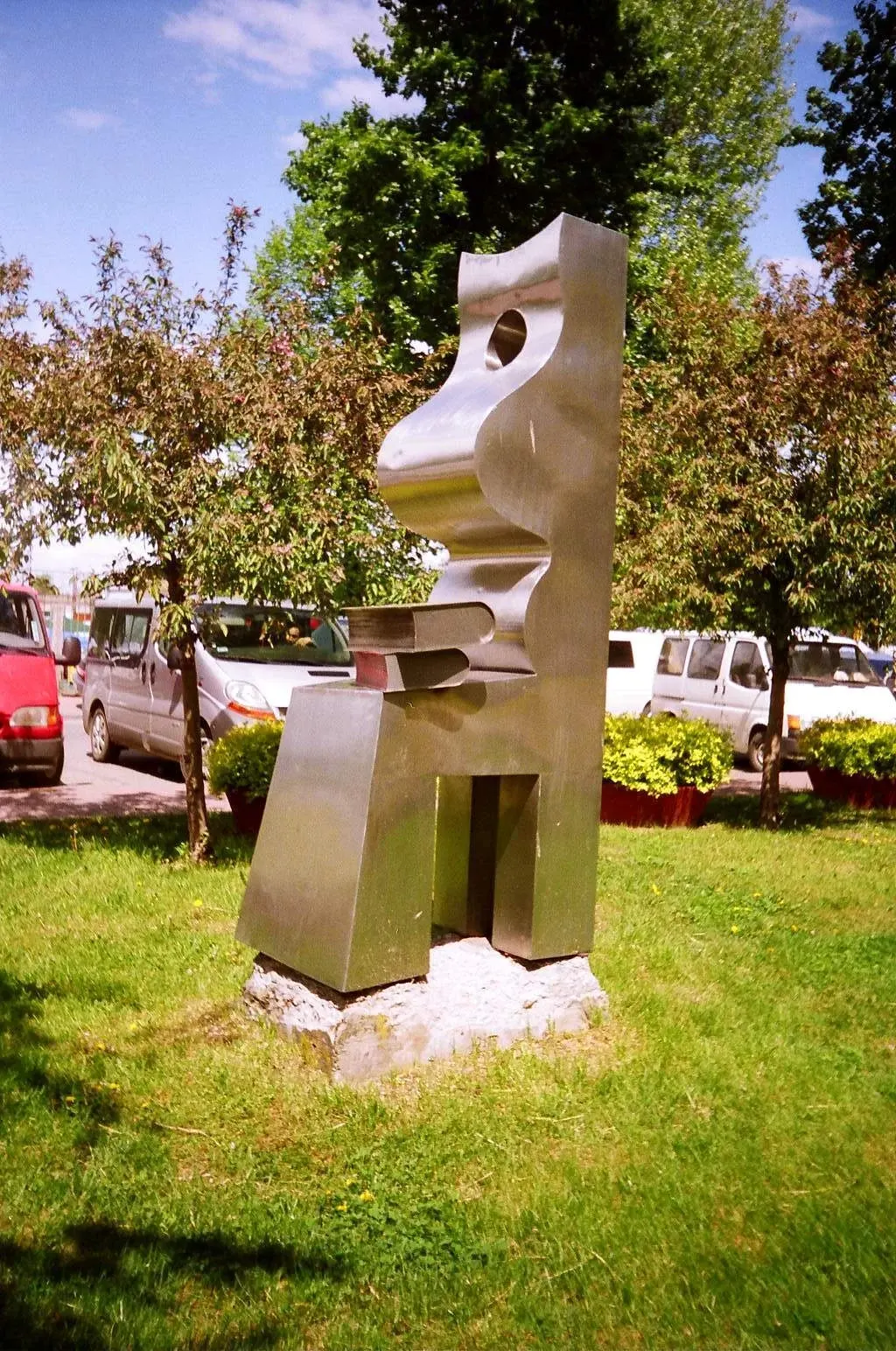
Matka z książką
Mother with a book 1979 · stainless steel - AW.S.0010
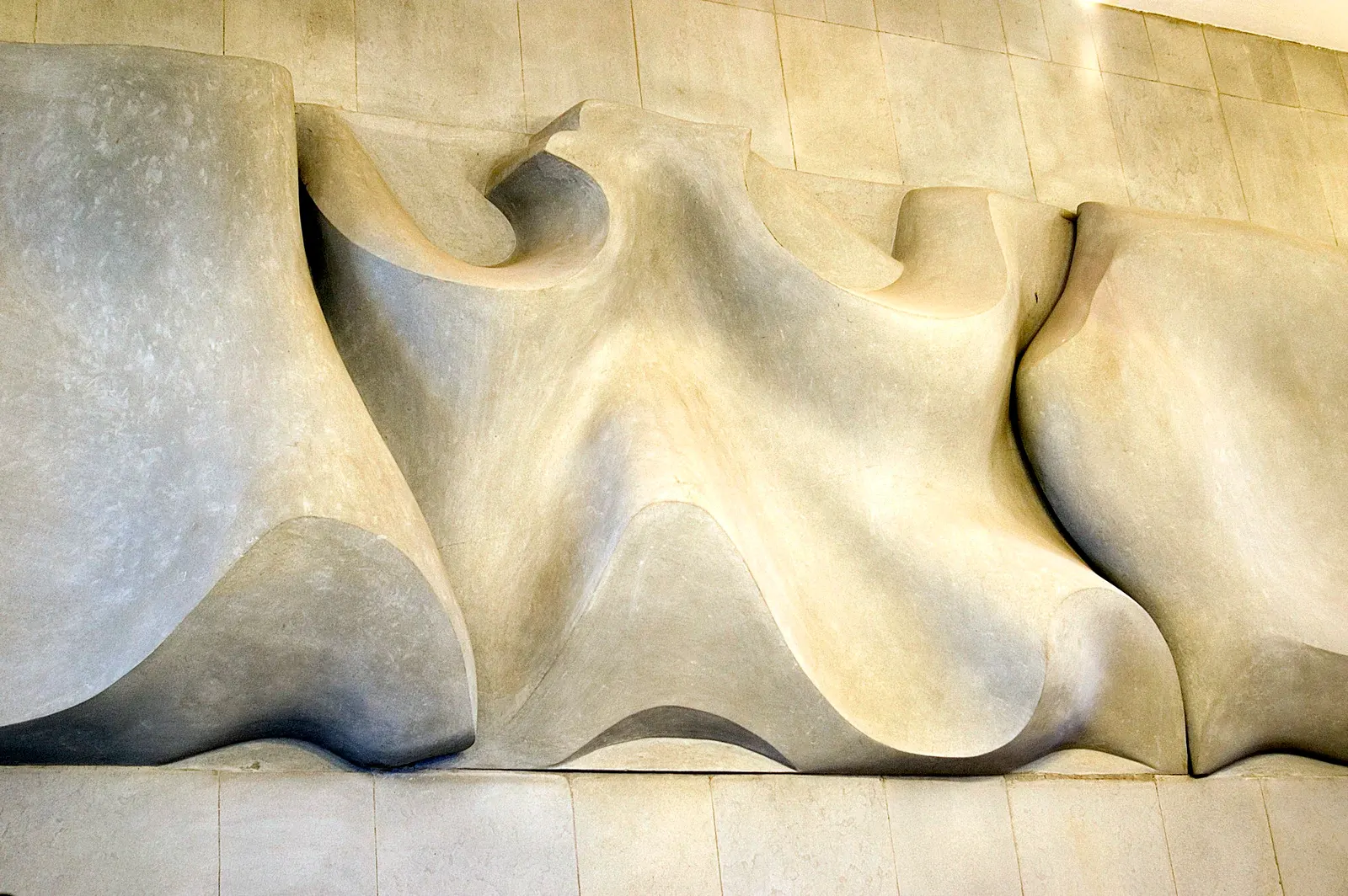
Orzeł
Eagle 1978 · Brenna sandstone - AW.S.0038
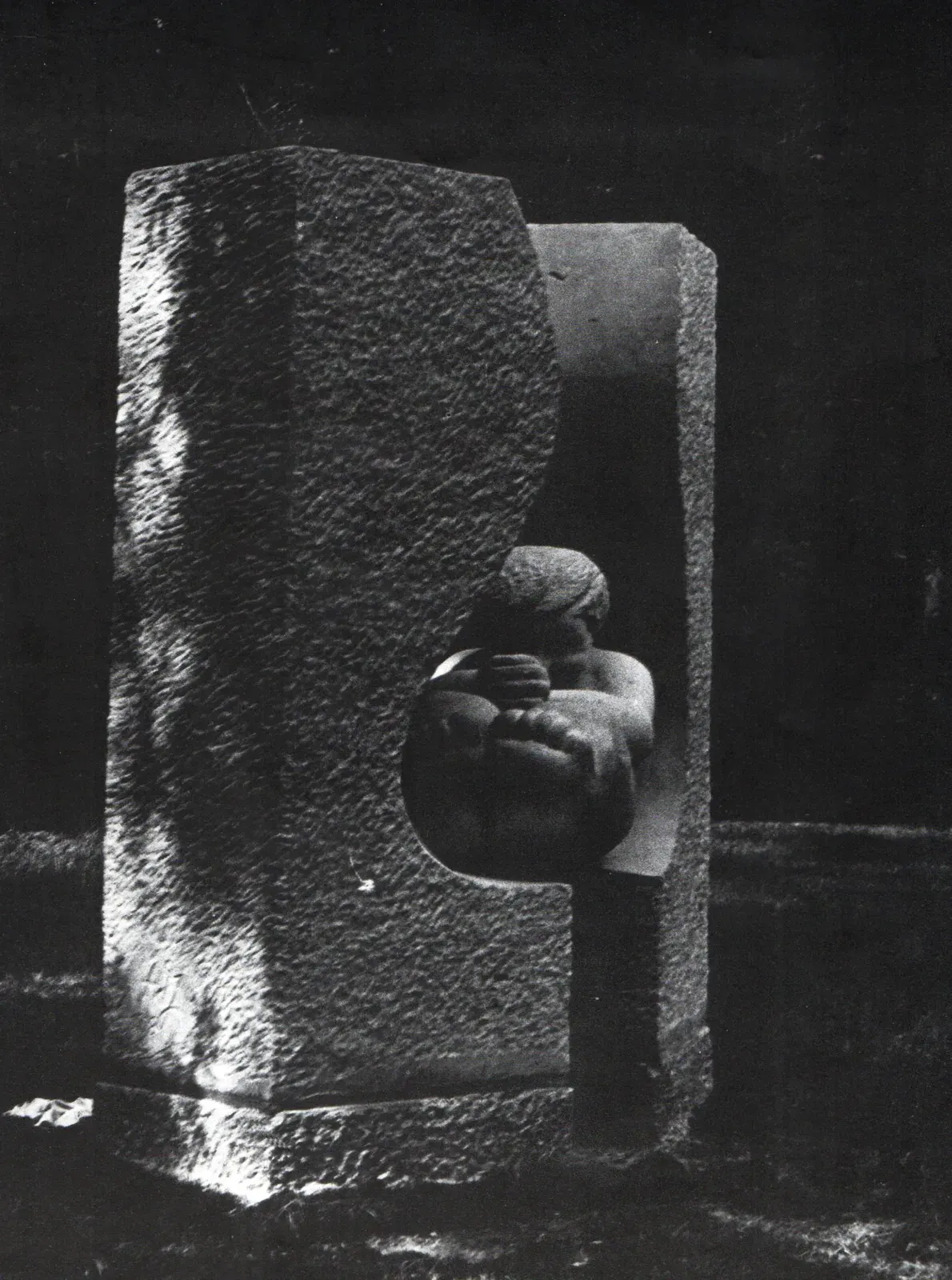
Cywilizacja II
Civilisation II 1978 · sandstone - AW.S.0011
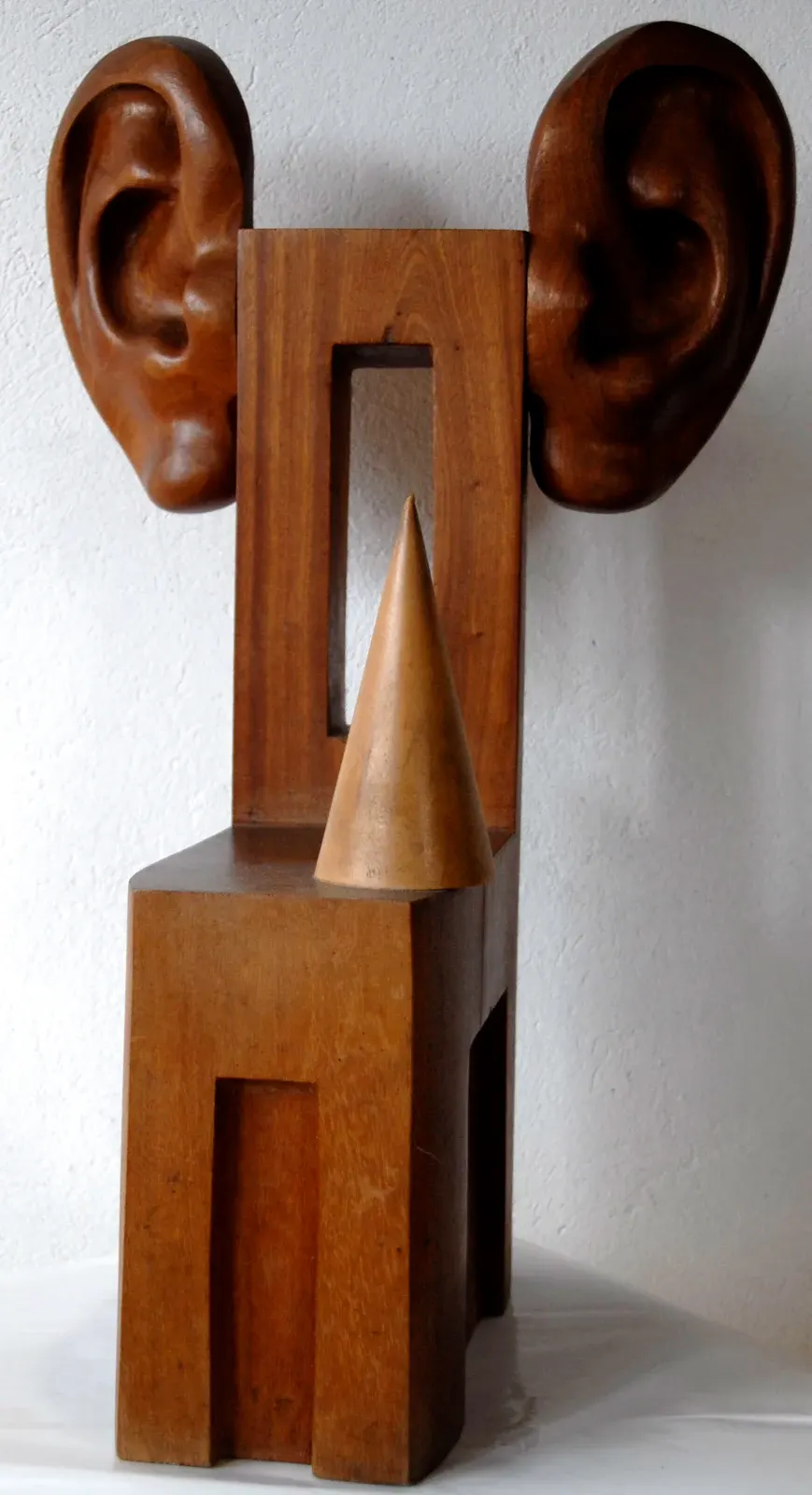
Sen nocy letniej
A midsummer night’s dream 1977 · mahogany, maple - AW.S.0037
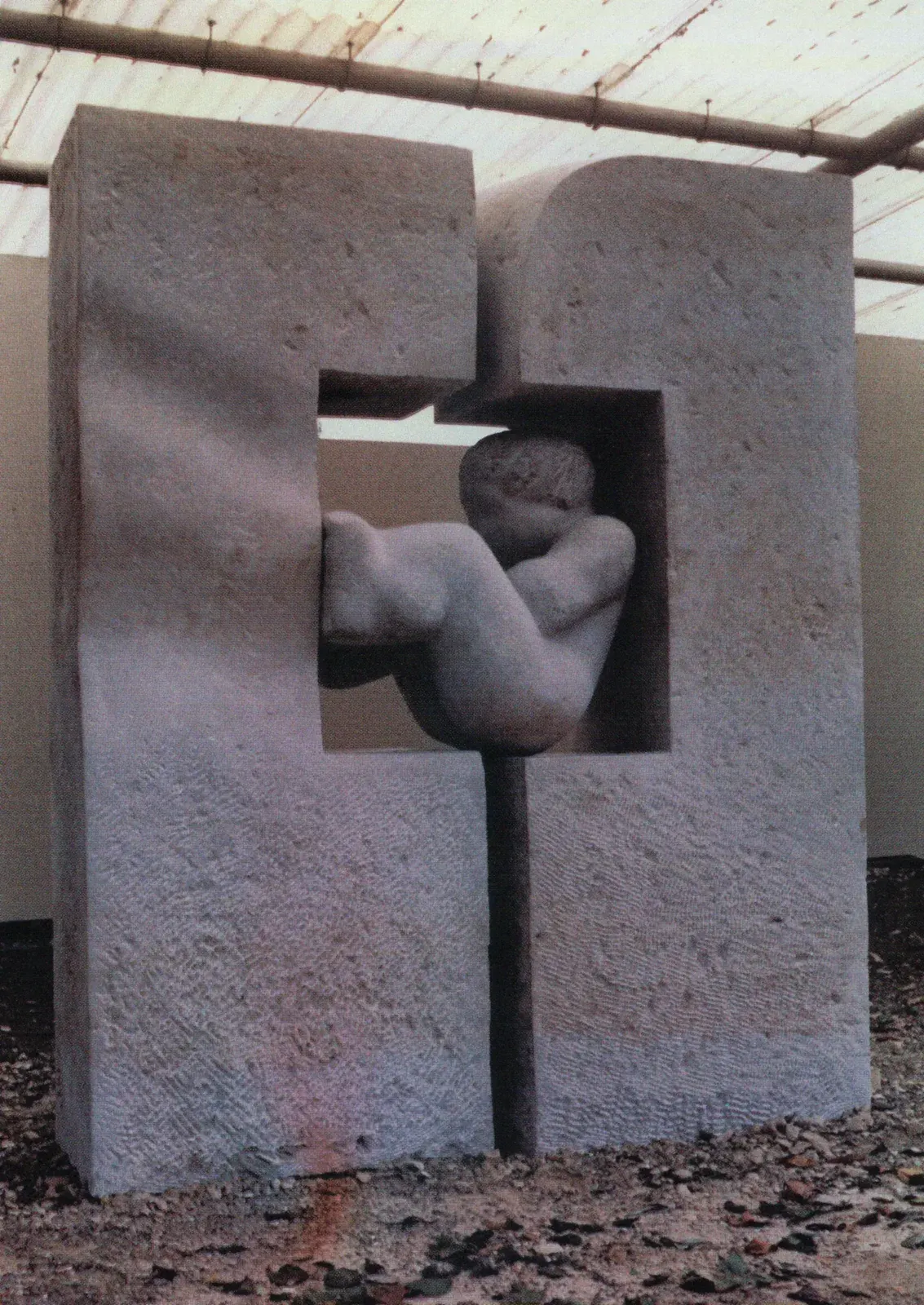
Cywilizacja I
Civilisation I 1977 · sandstone - AW.S.0034
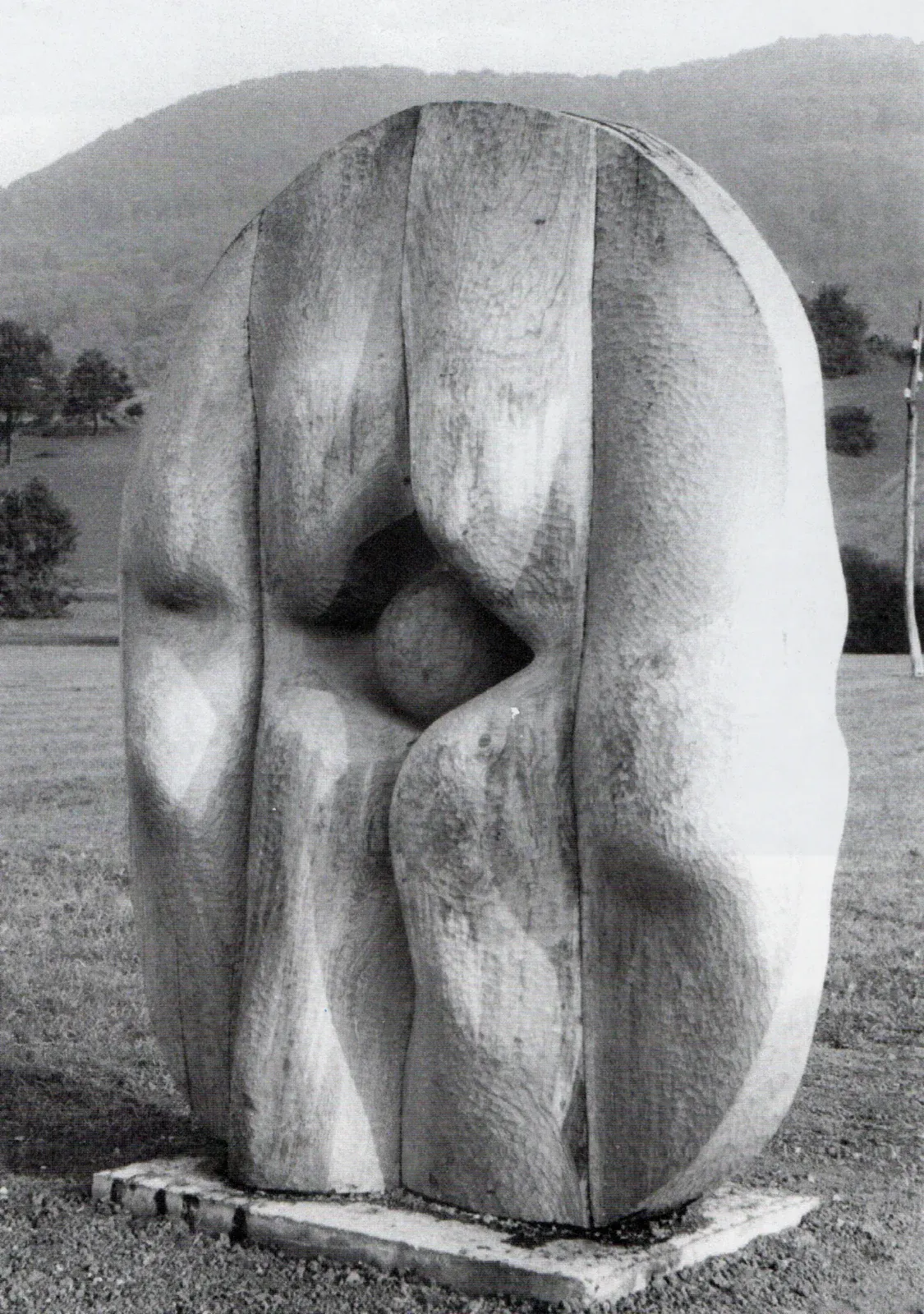
Sfera
Sphere 1976 · oak - AW.S.0054
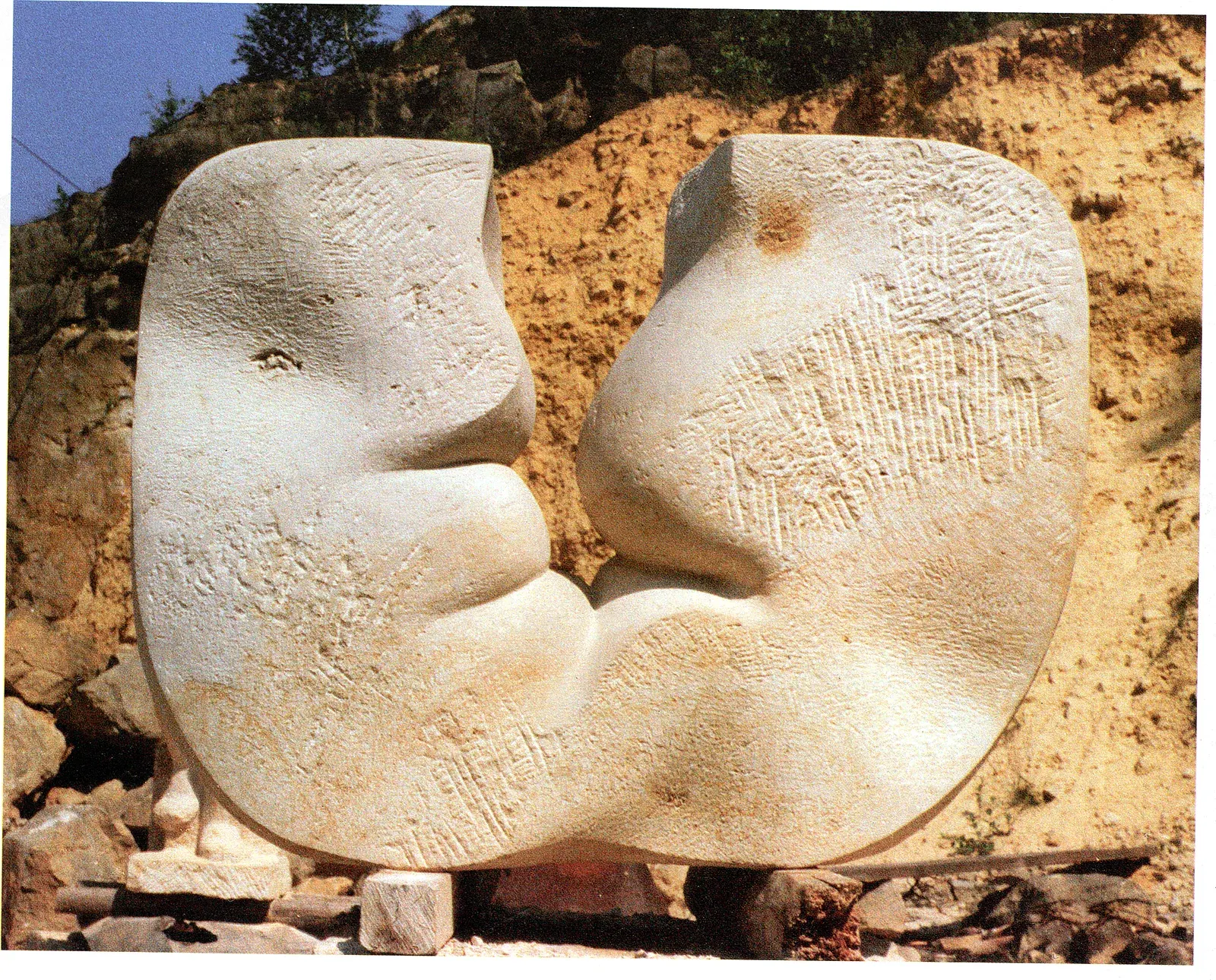
Zbliżenie
Approach 1976 · sandstone - AW.S.0092
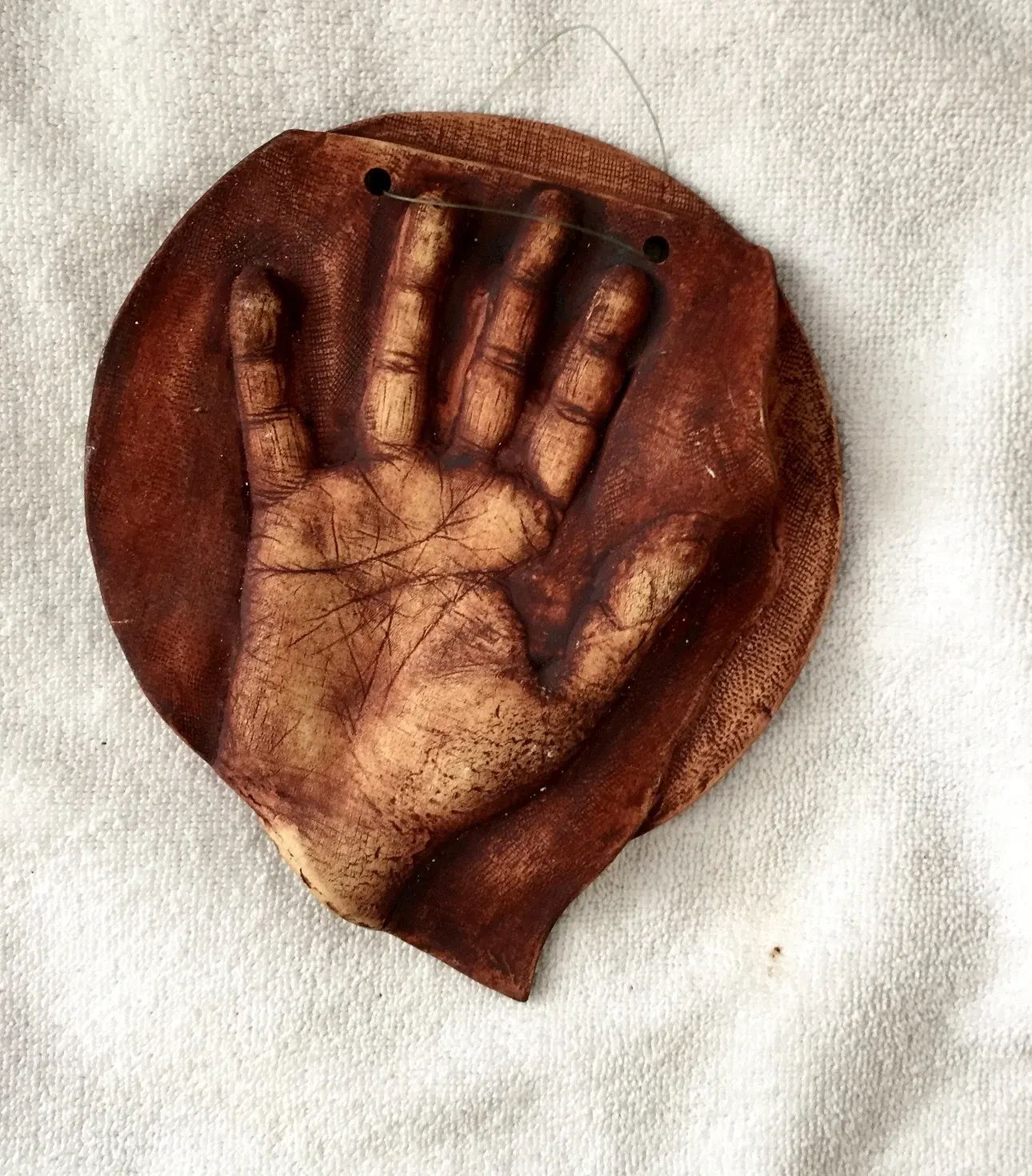
Ręka Alberta (4 lata)
Albert’s hand at four 1976 · ceramic - AW.S.0118
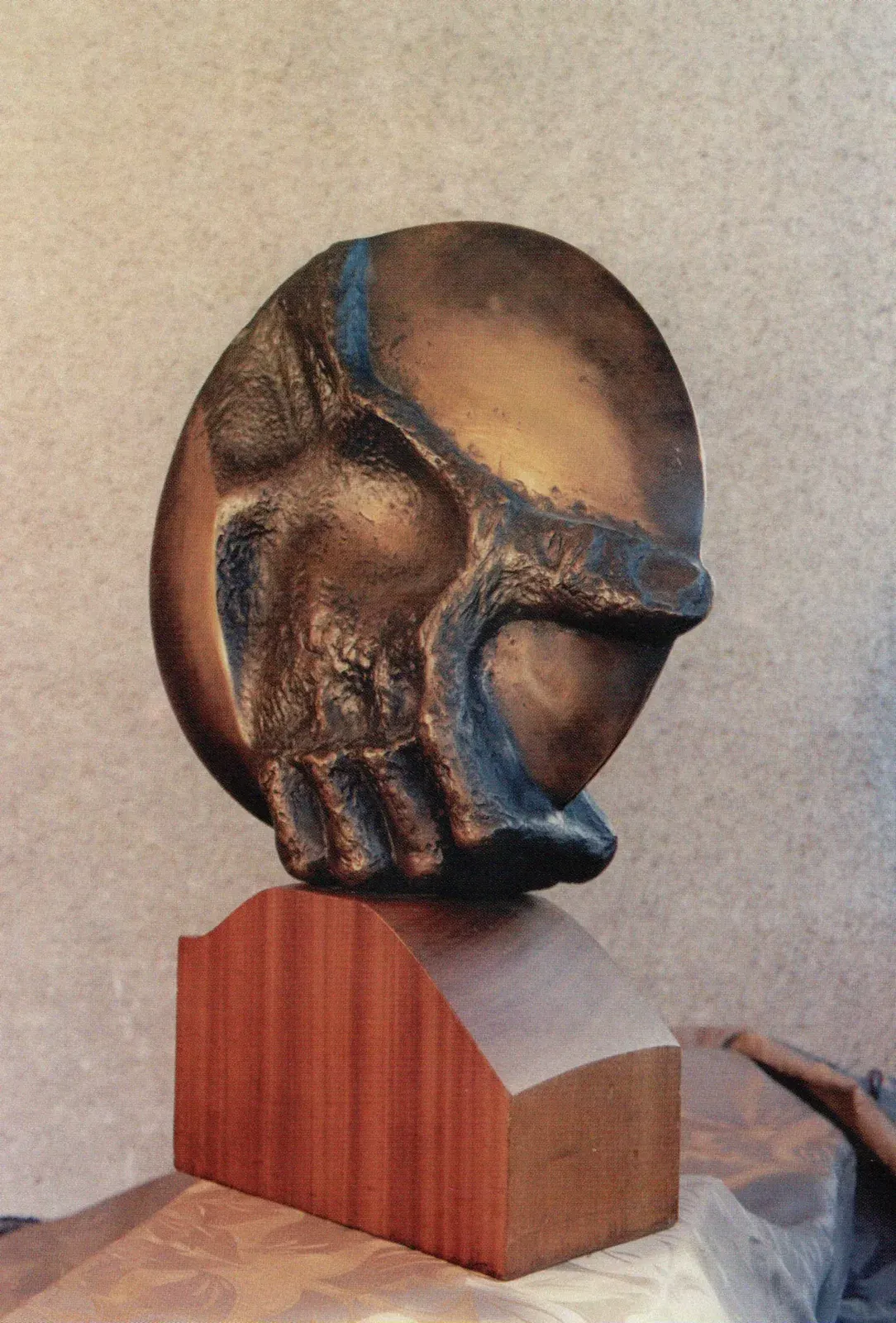
Dyskobol
Discobolus 1976 · bronze, mahogany - AW.S.0058
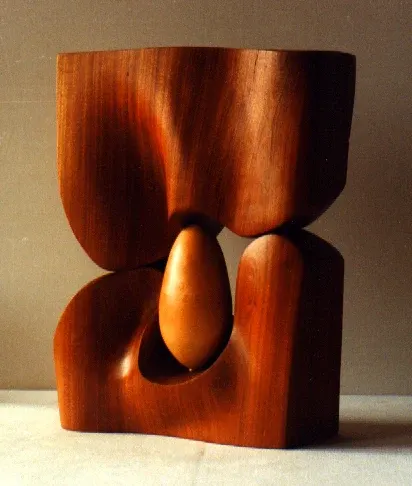
„Ab Ovo” (projekt)
1975 · project for a sculpture, mahogany - AW.S.0062
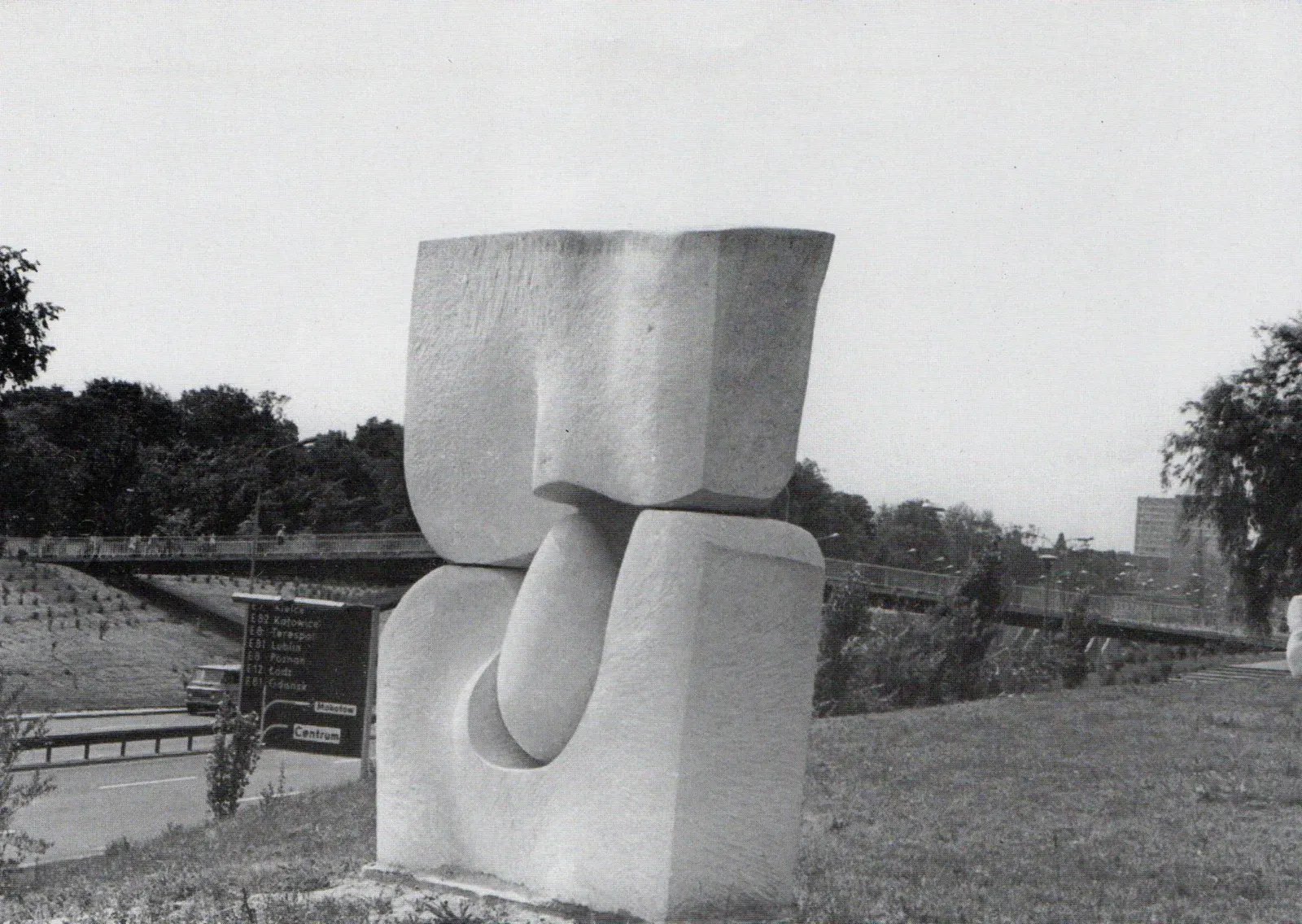
„Ab Ovo”
1975 · limestone - AW.S.0004
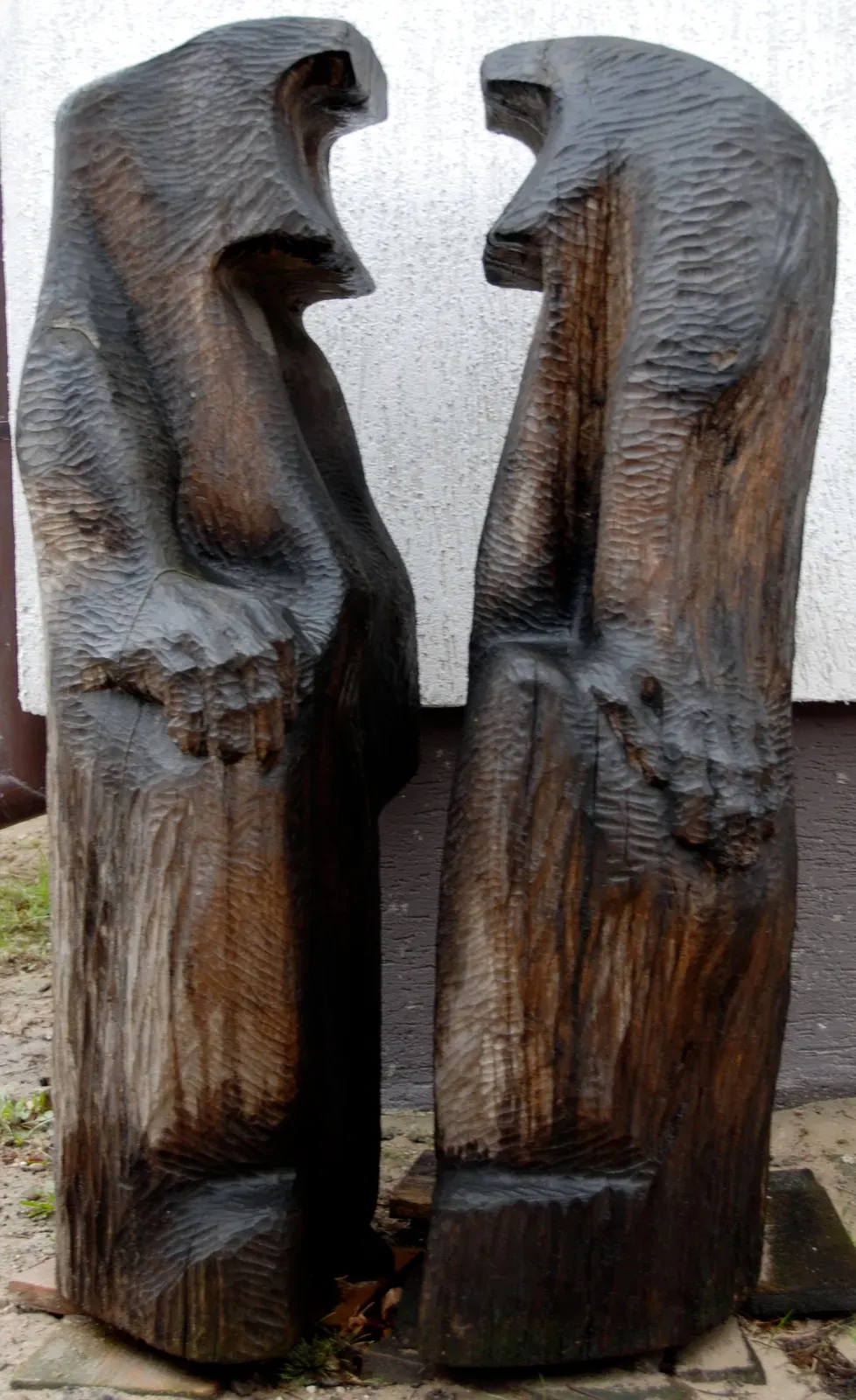
Wspomnienie
Memory 1973 · oak - AW.S.0001
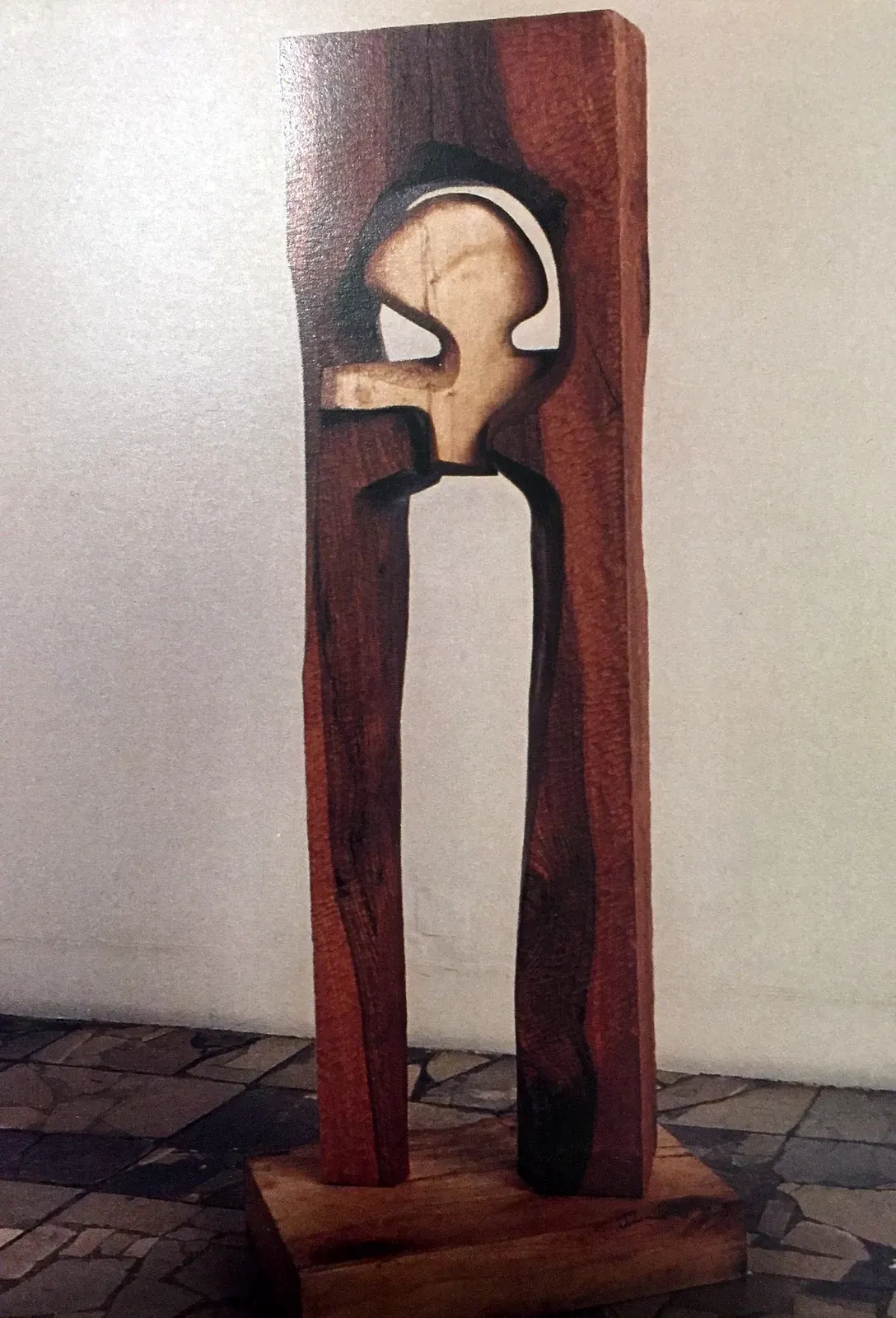
Smętek
1971 · walnut and poplar - AW.S.0040
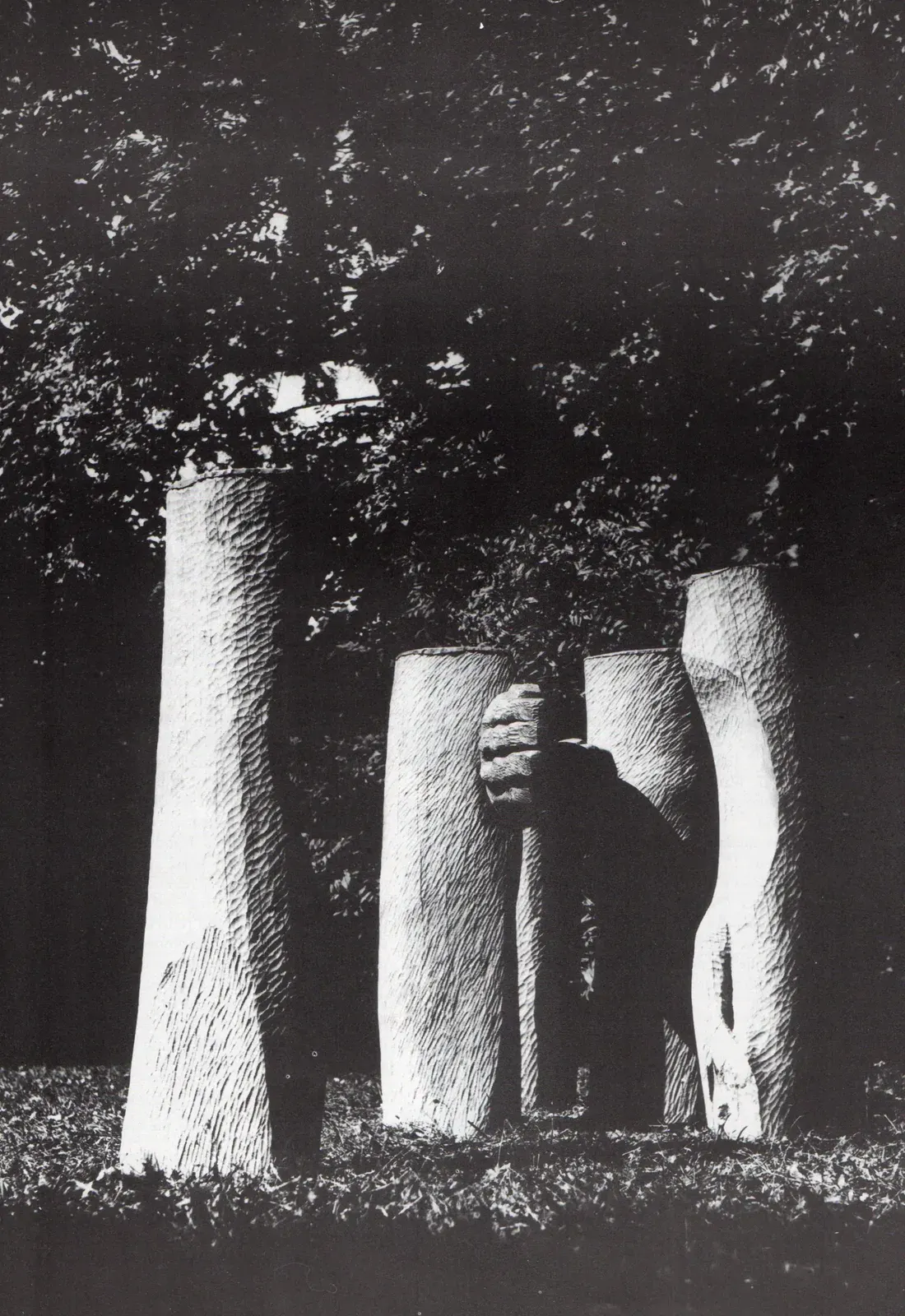
Ręce
Hands 1971 · oak - AW.S.0127
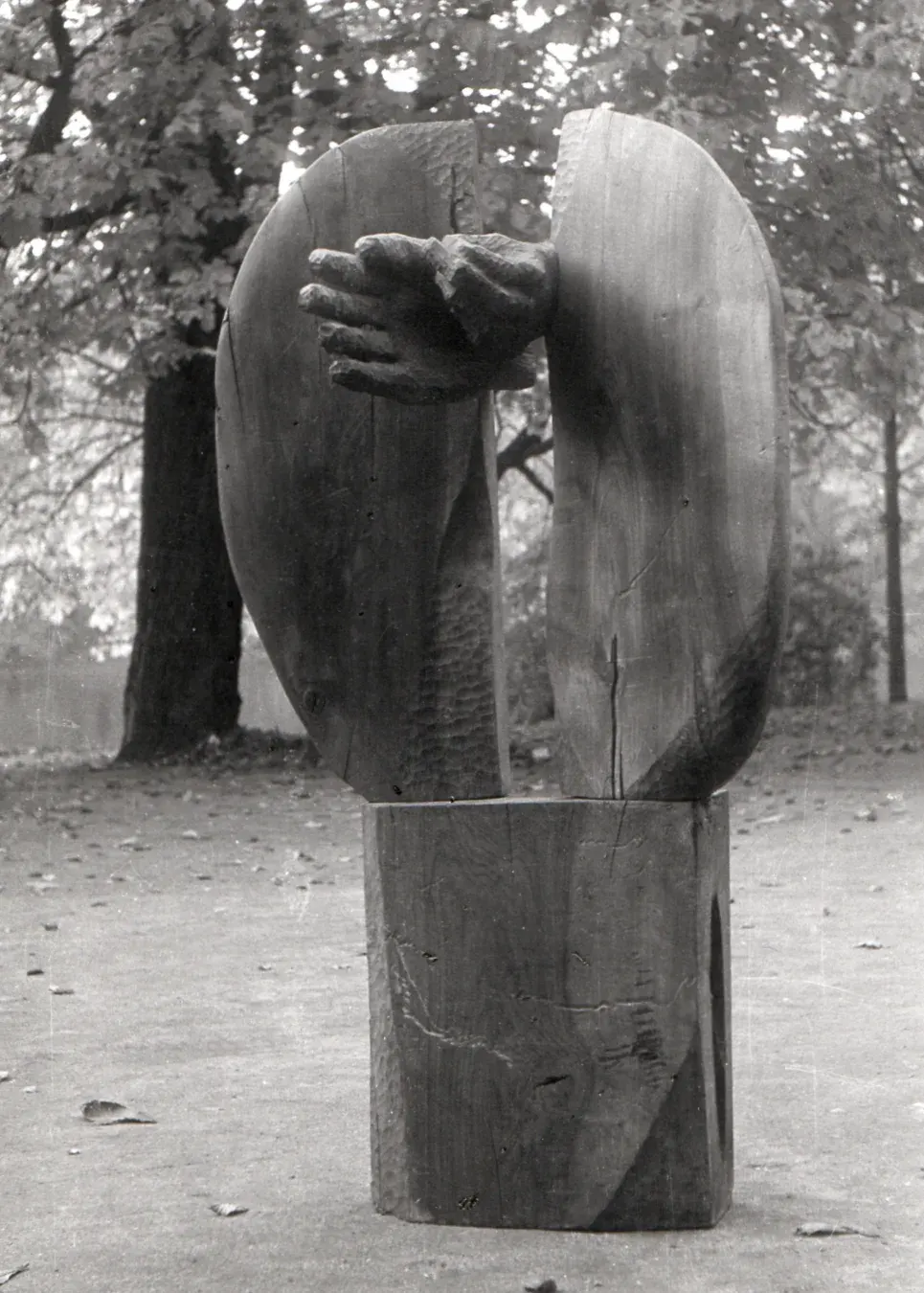
W uwięzi
In captivity 1971 · wood (walnut, maple) - AW.S.0113
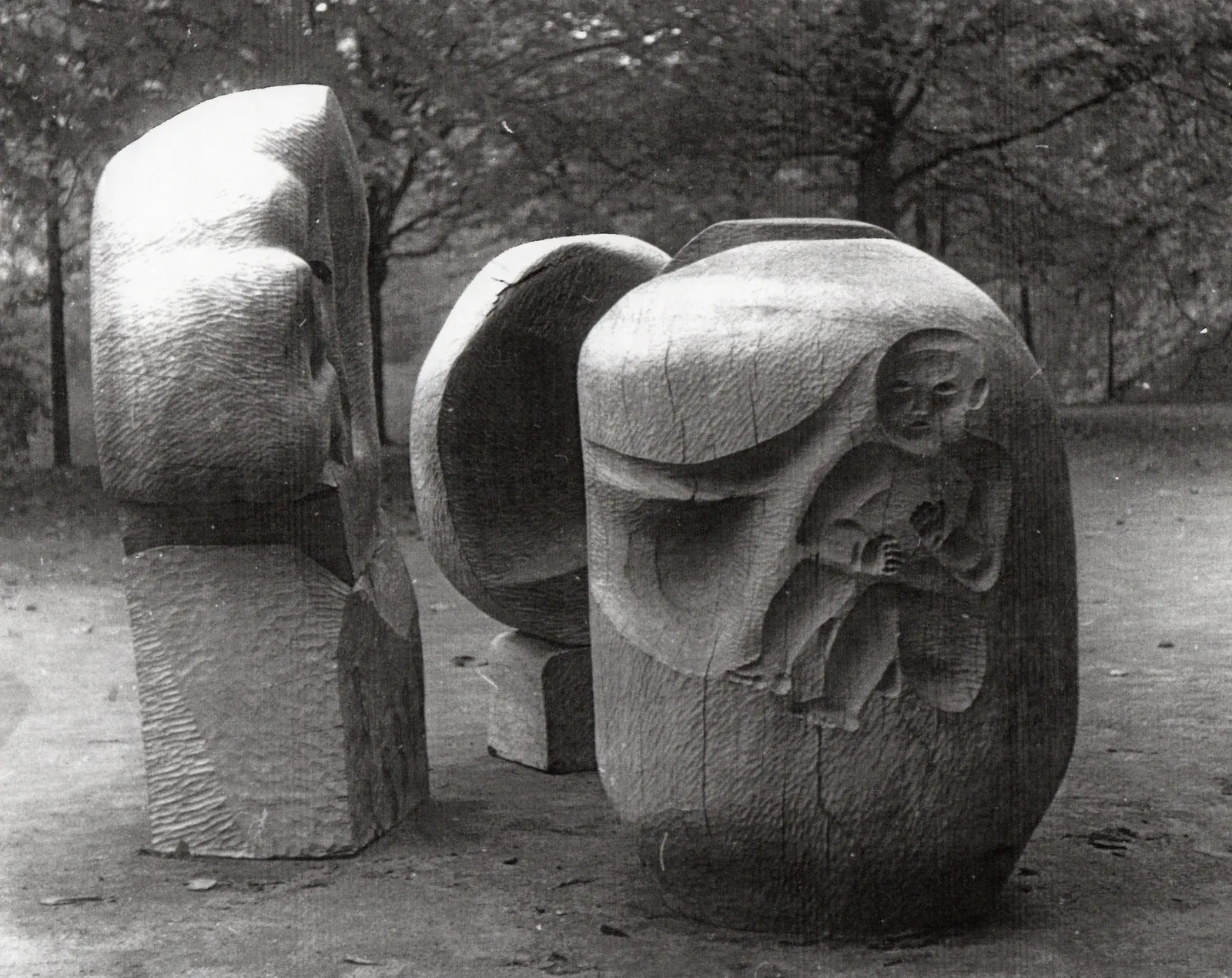
U progu życia
On the threshold of life 1970 · mahogany - AW.S.0019
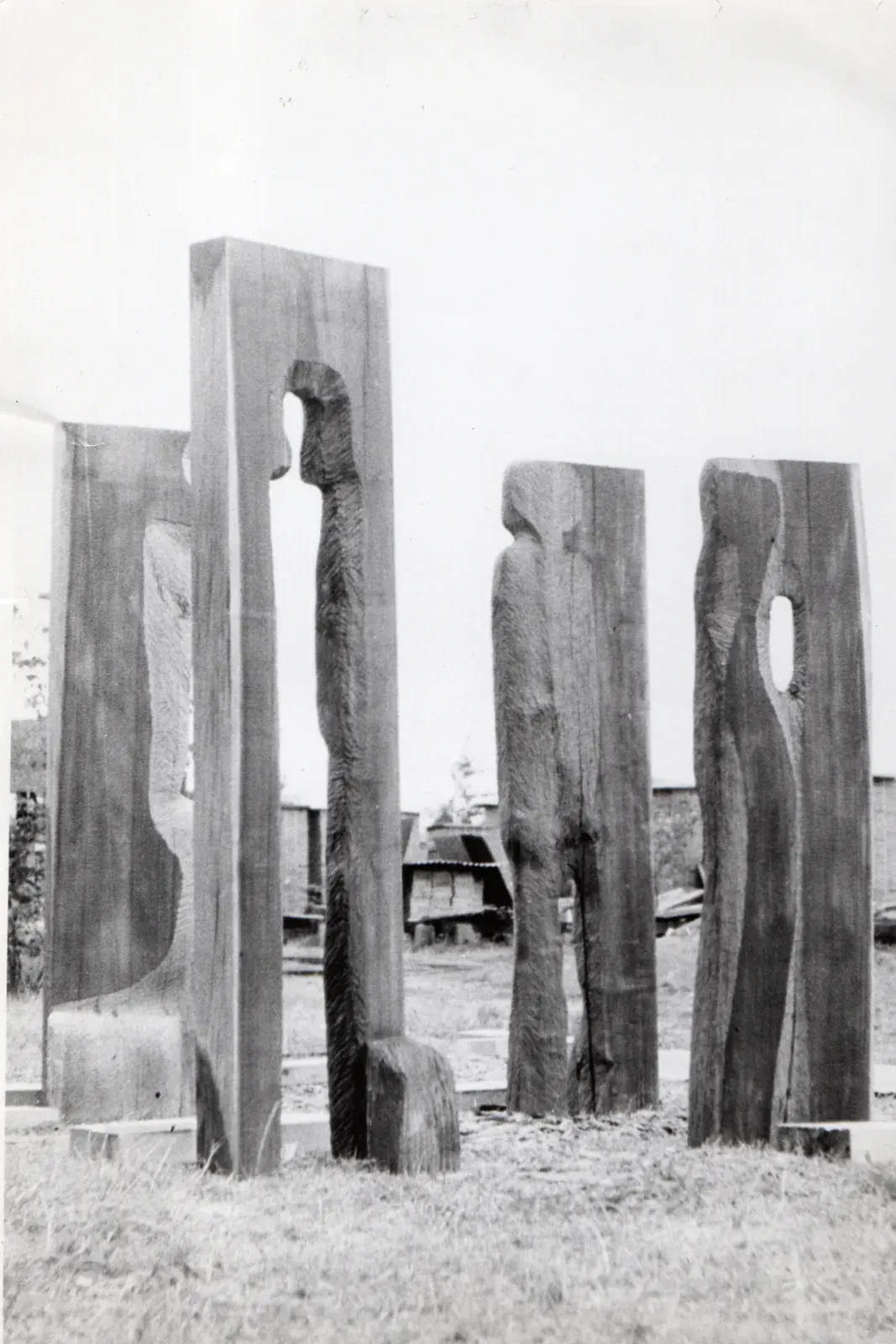
Hiroszima
Hiroshima 1969 · walnut - AW.S.0028
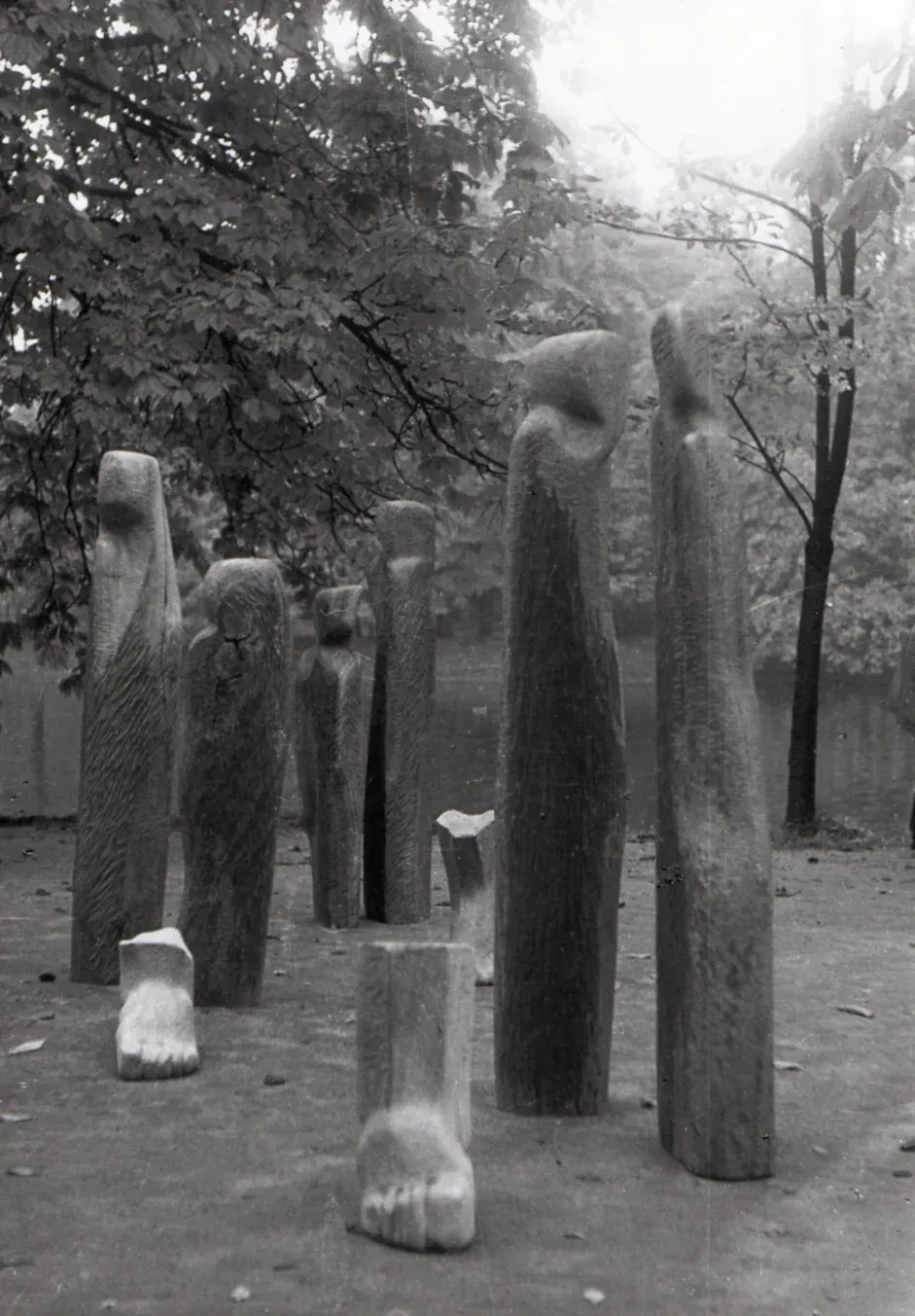
Wygnanie
Exile 1968 · mahogany, elm - AW.S.0071
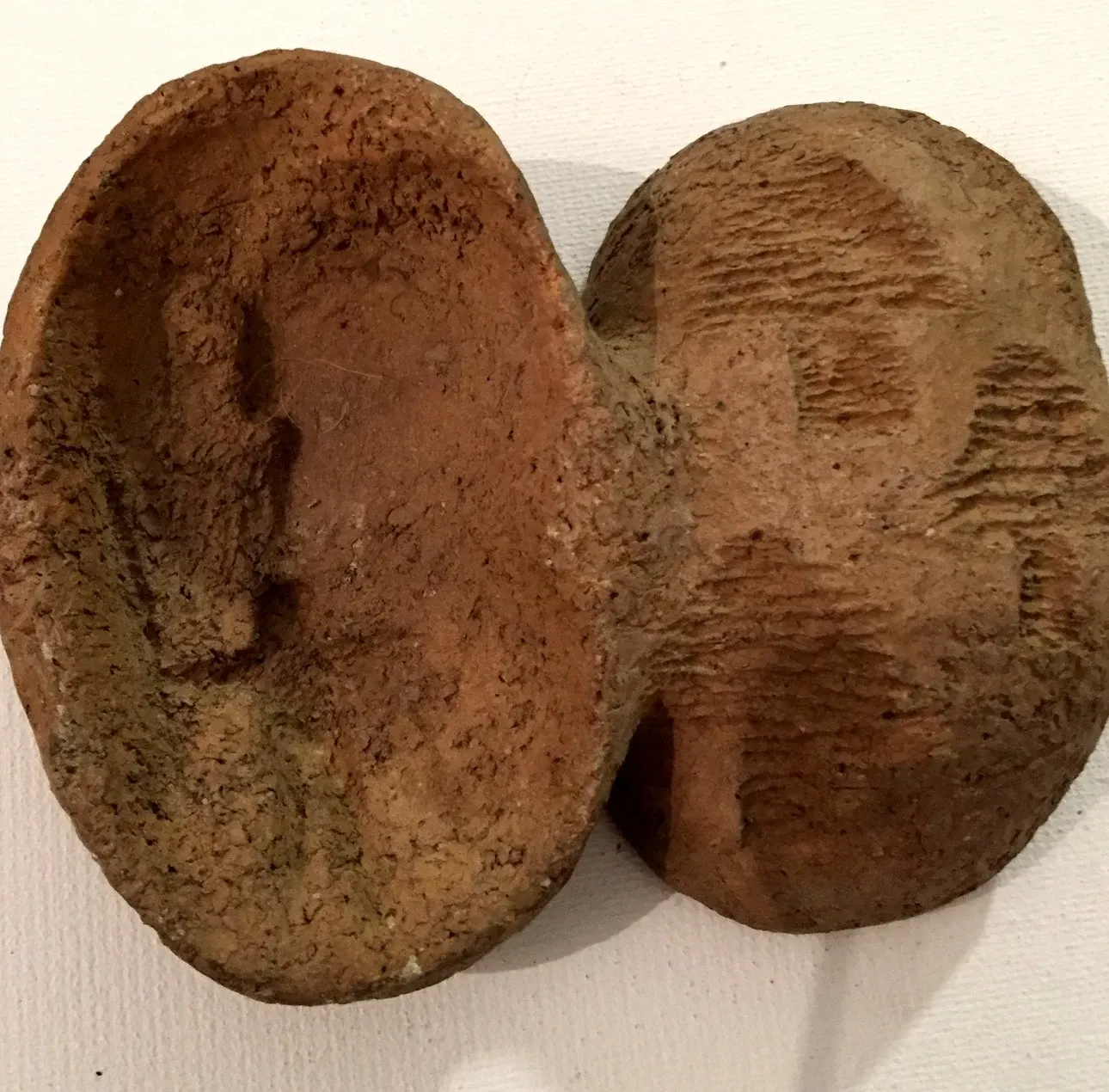
Z cyklu reperty archeologiczne
From the cycle «Archaeological finds» 1968 · ceramic - AW.S.0066
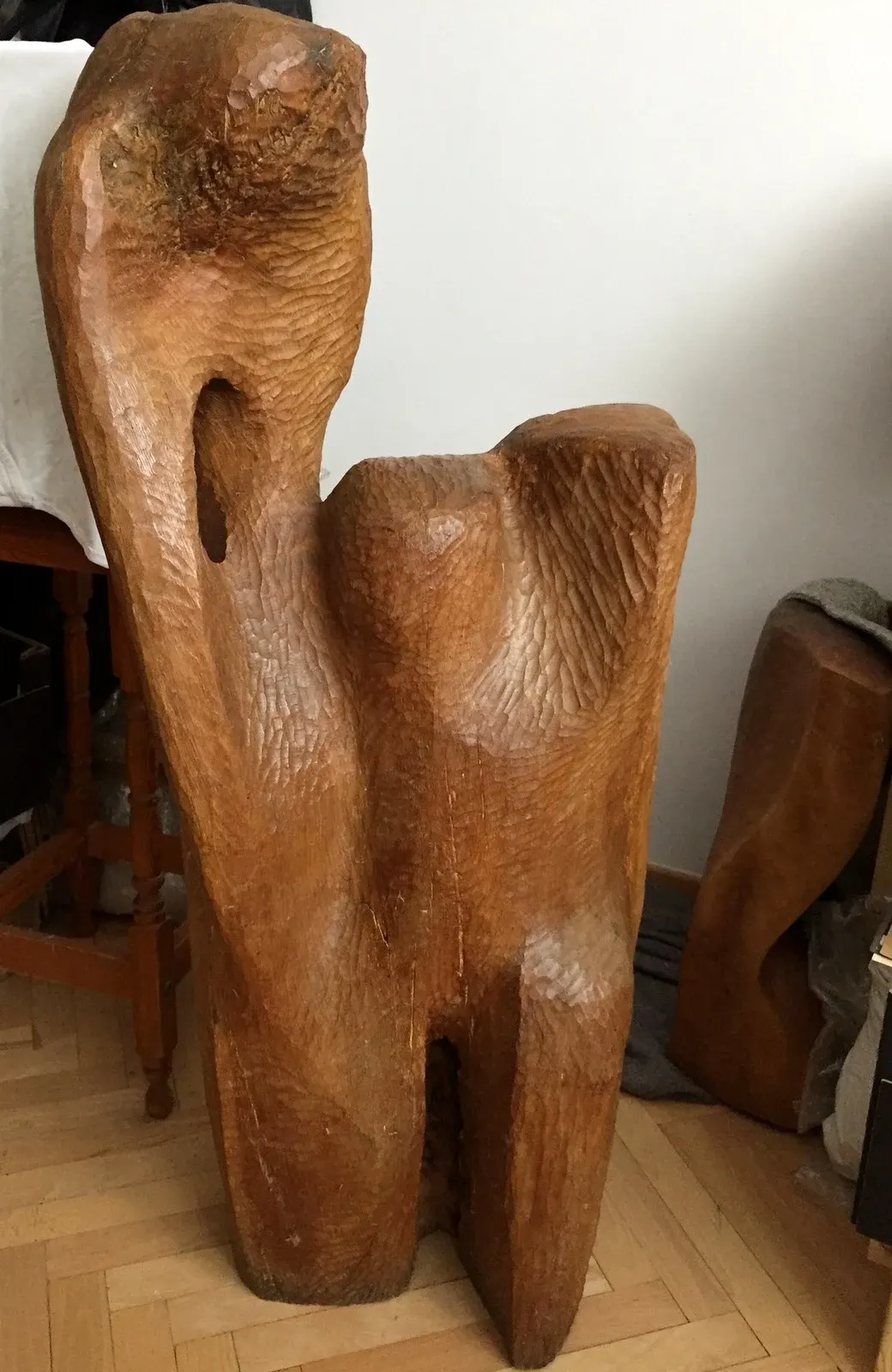
Ludzie
People 1966 · wood - AW.S.0008
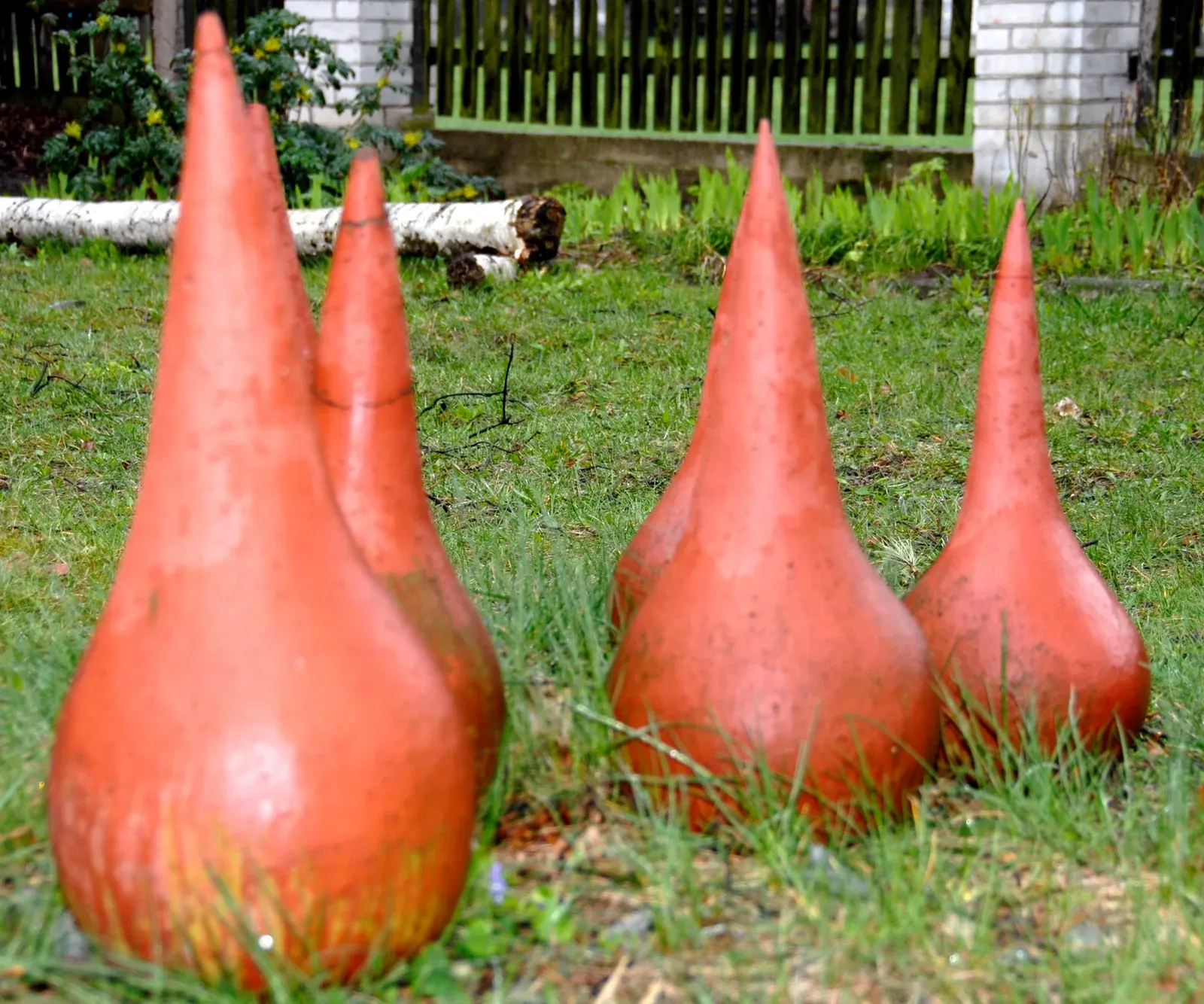
Łzy
Tears ceramic - AW.S.0098
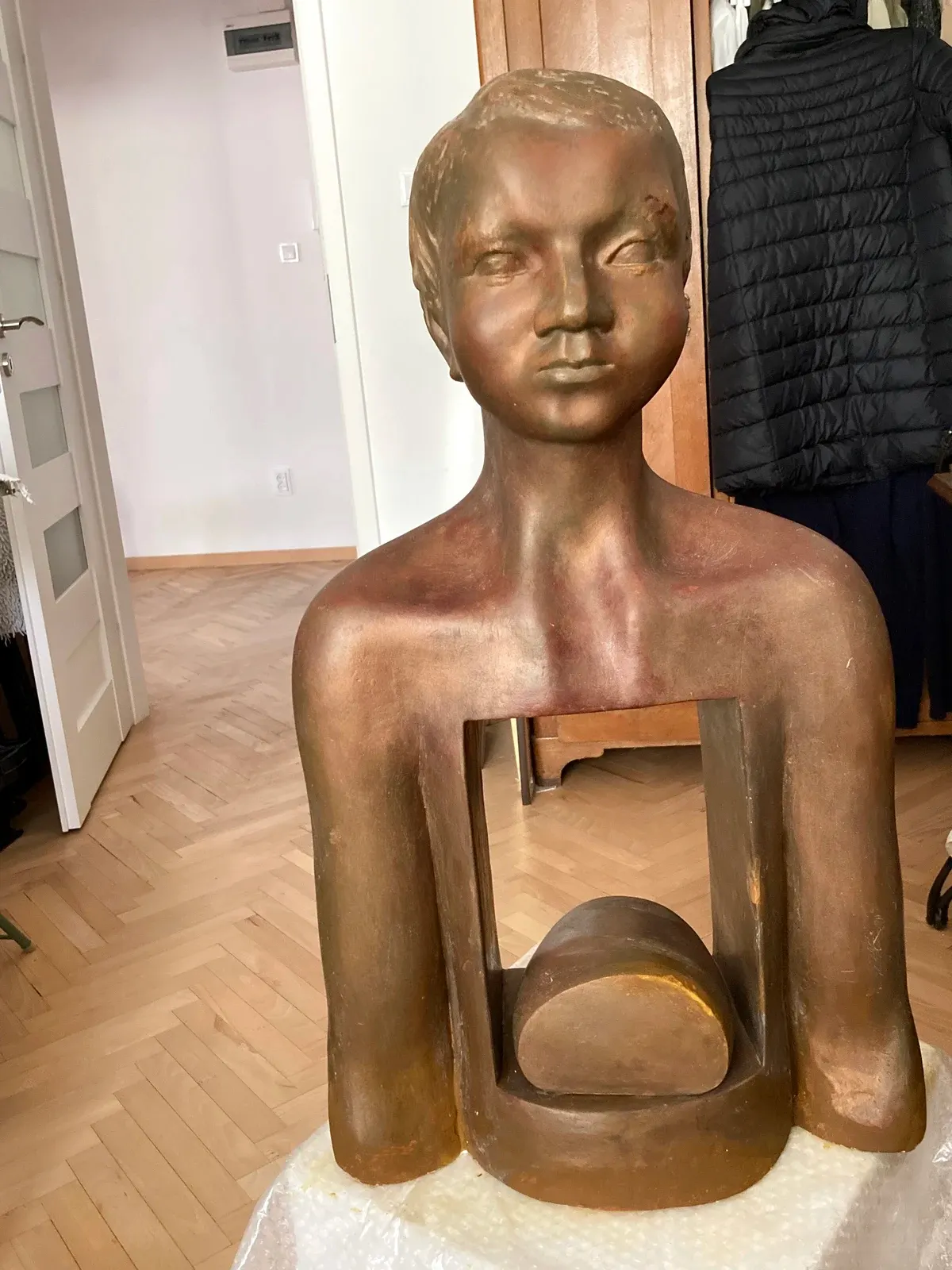
Za chlebem
In search of bread plaster - AW.S.0161
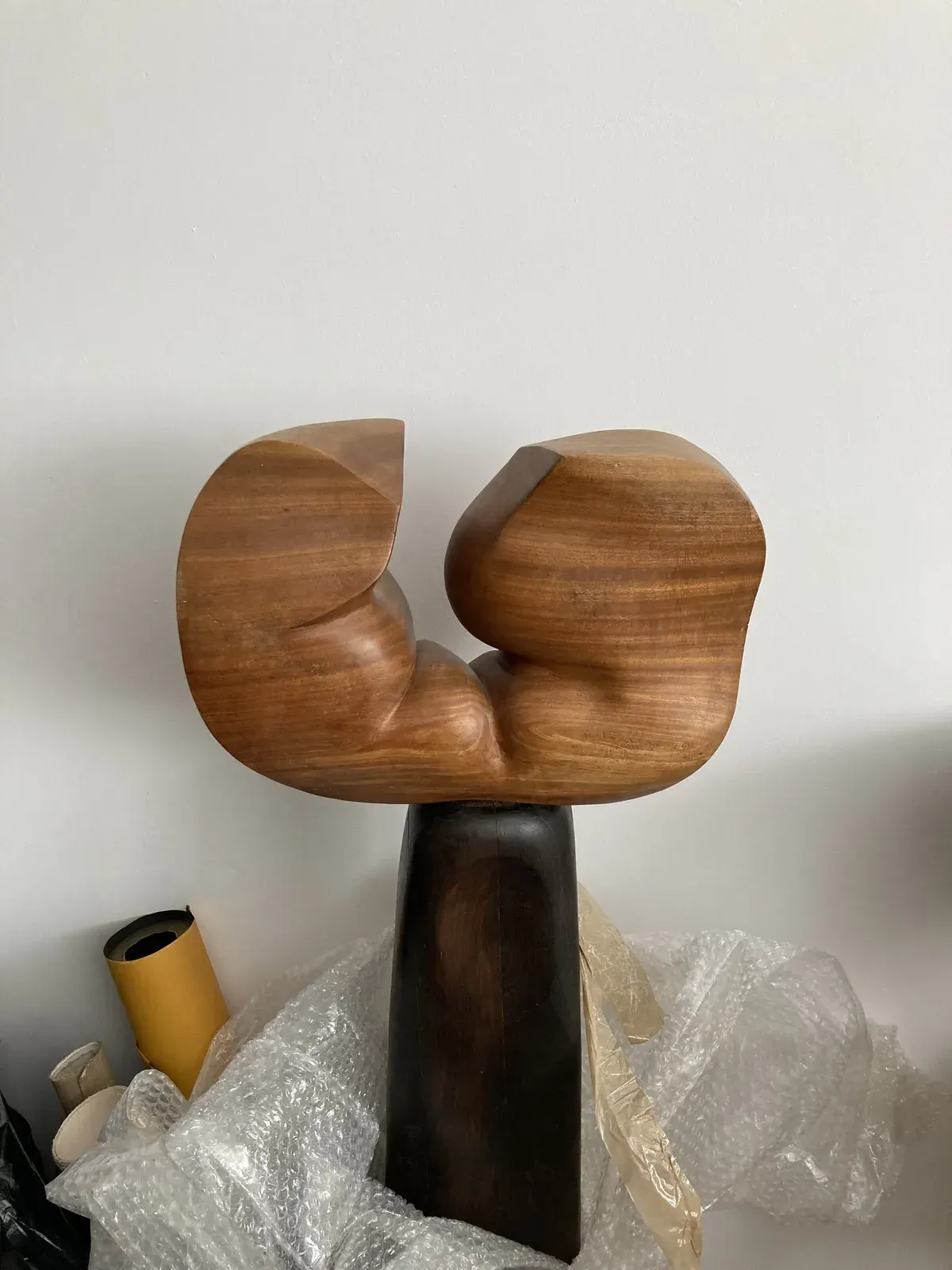
Zbliżenie
Approach wood
Paintings 39
- AW.P.0048
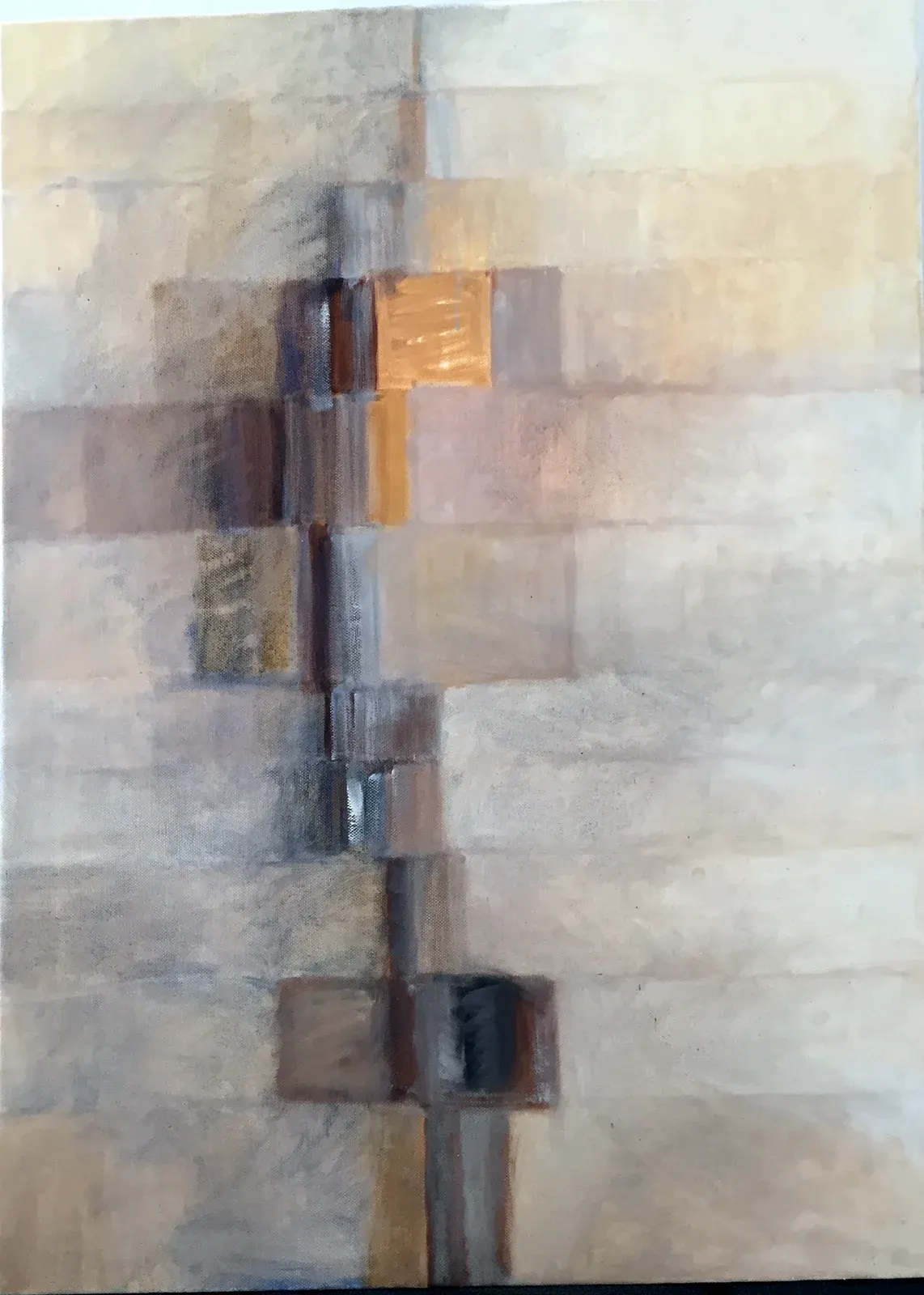
Impresje na temat muzyki Chopina
Impressions on the music of Chopin 2010 · acrylic - AW.P.0049
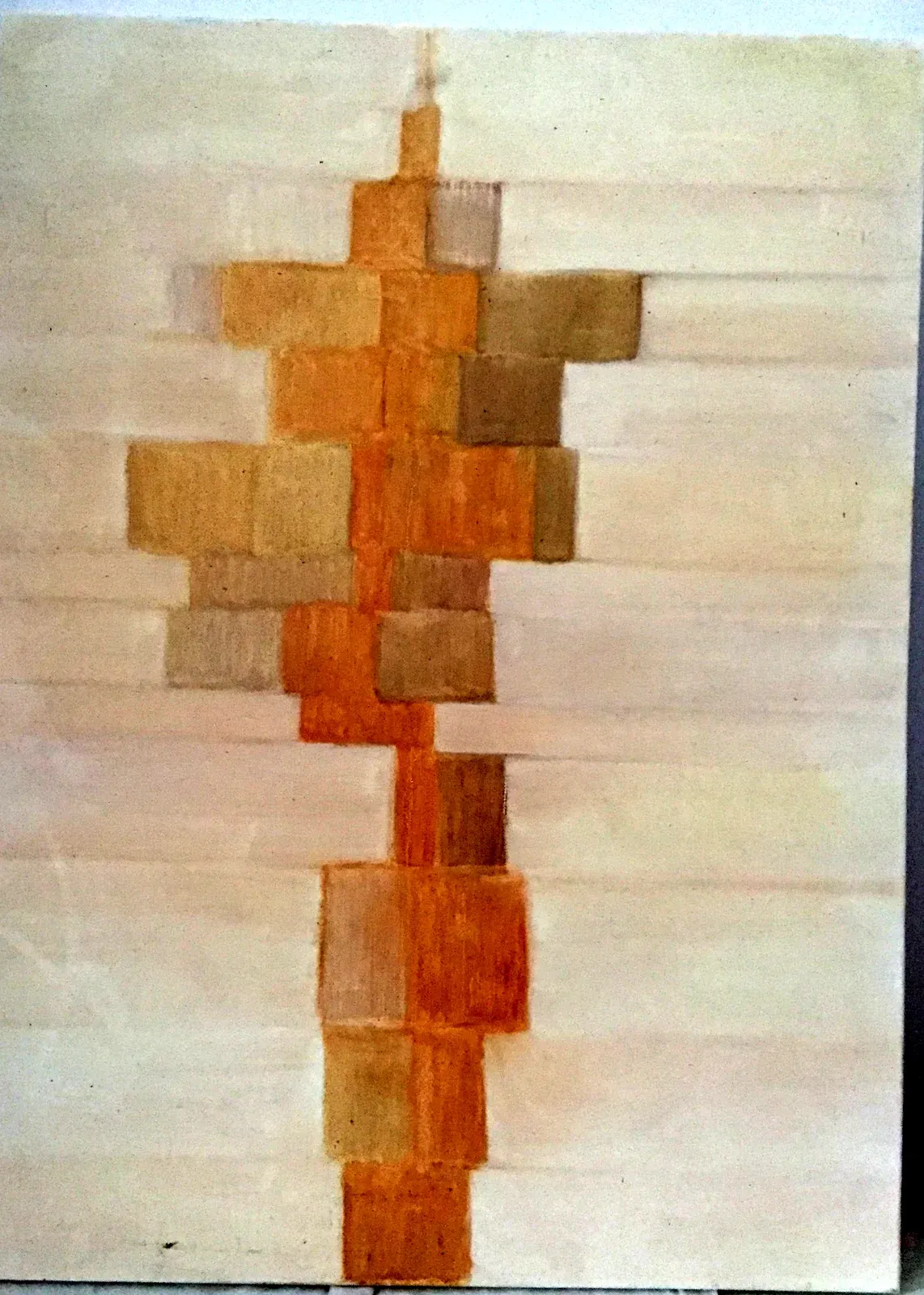
Impresje na temat muzyki Chopina
Impressions on the music of Chopin 2010 · acrylic - AW.P.0031
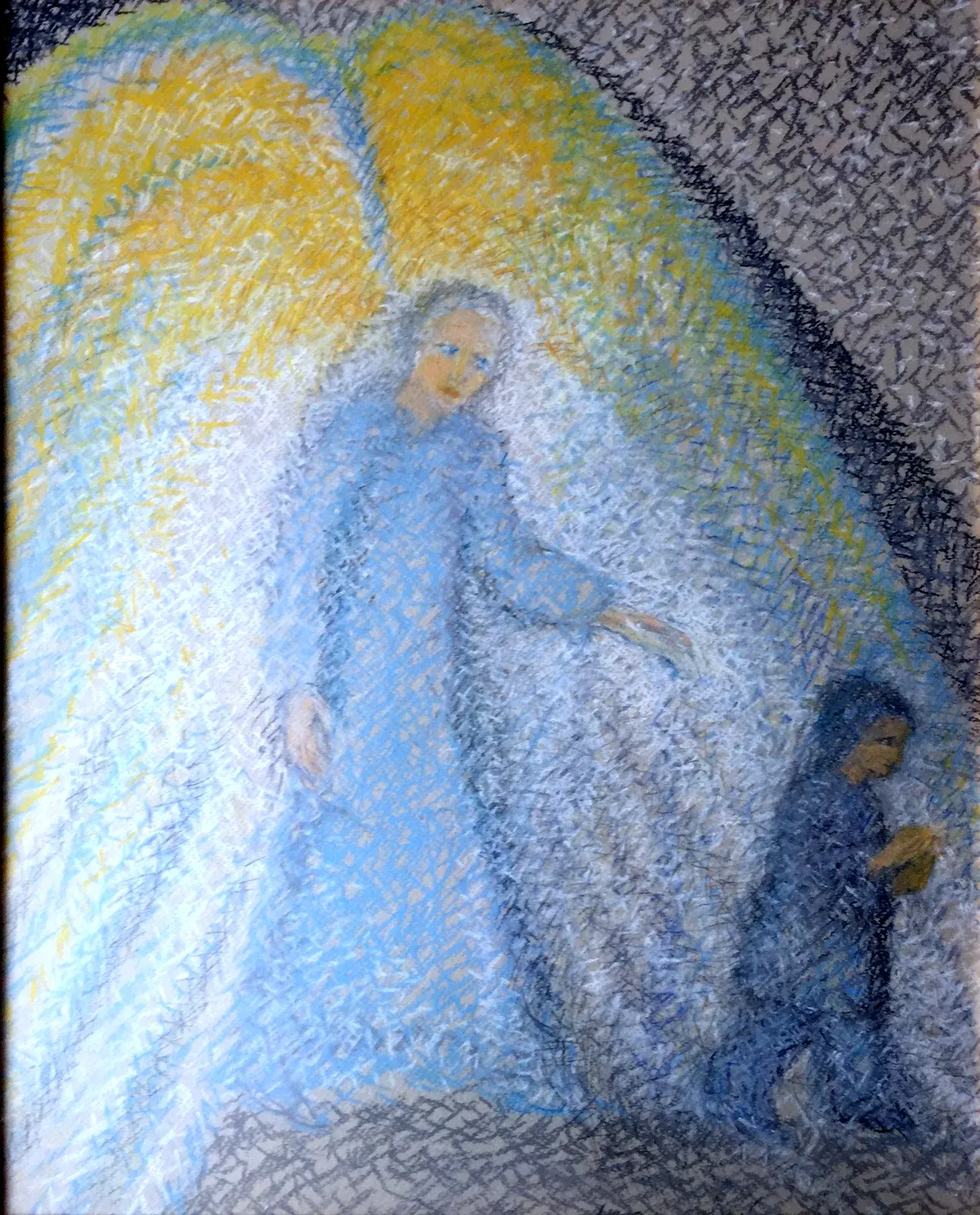
Anioł z dzieckiem
Angel with child 2009 · pastel - AW.P.0019
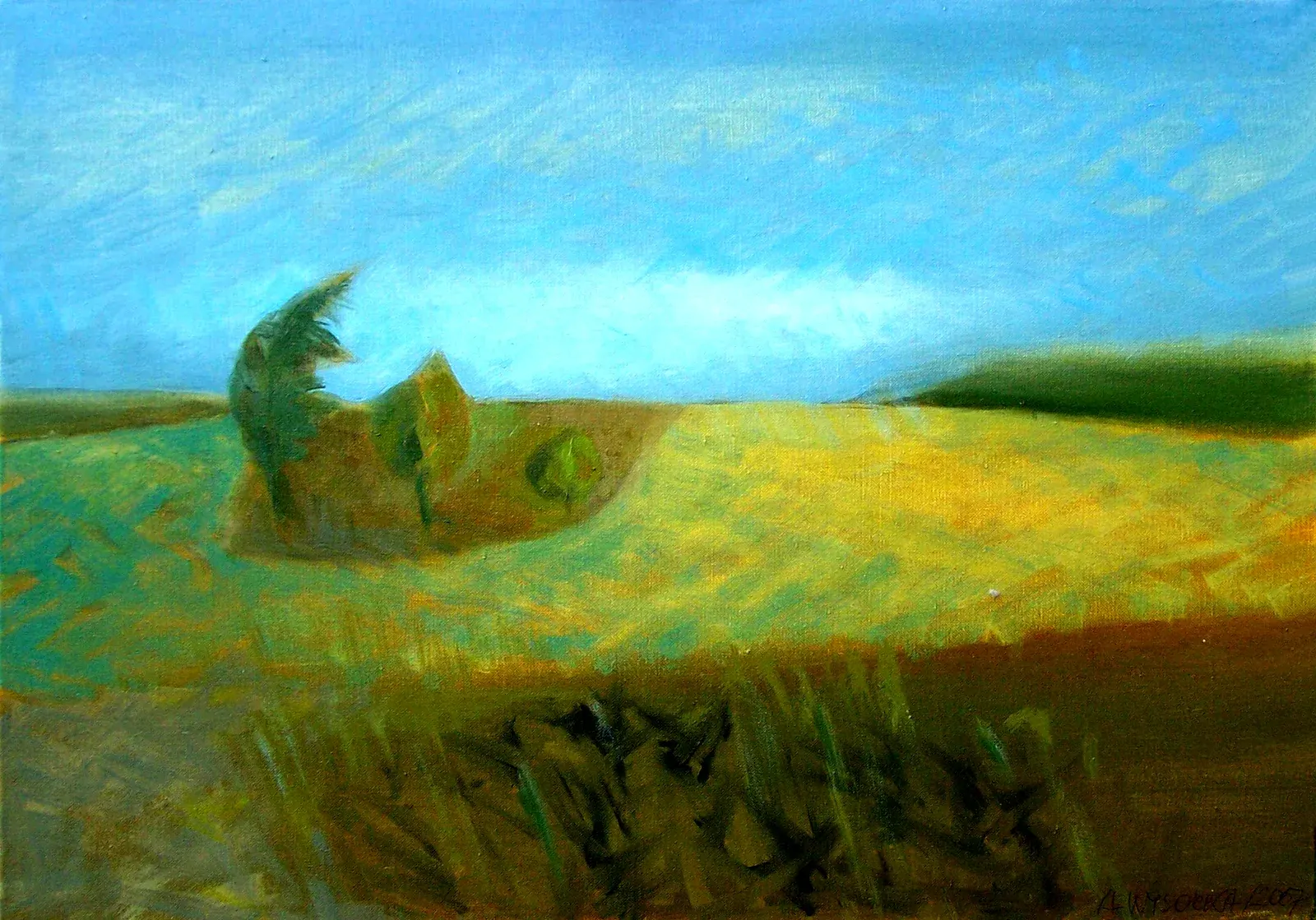
Jesienne niebo
Autumn sky 2007 · oil on canvas - AW.P.0020
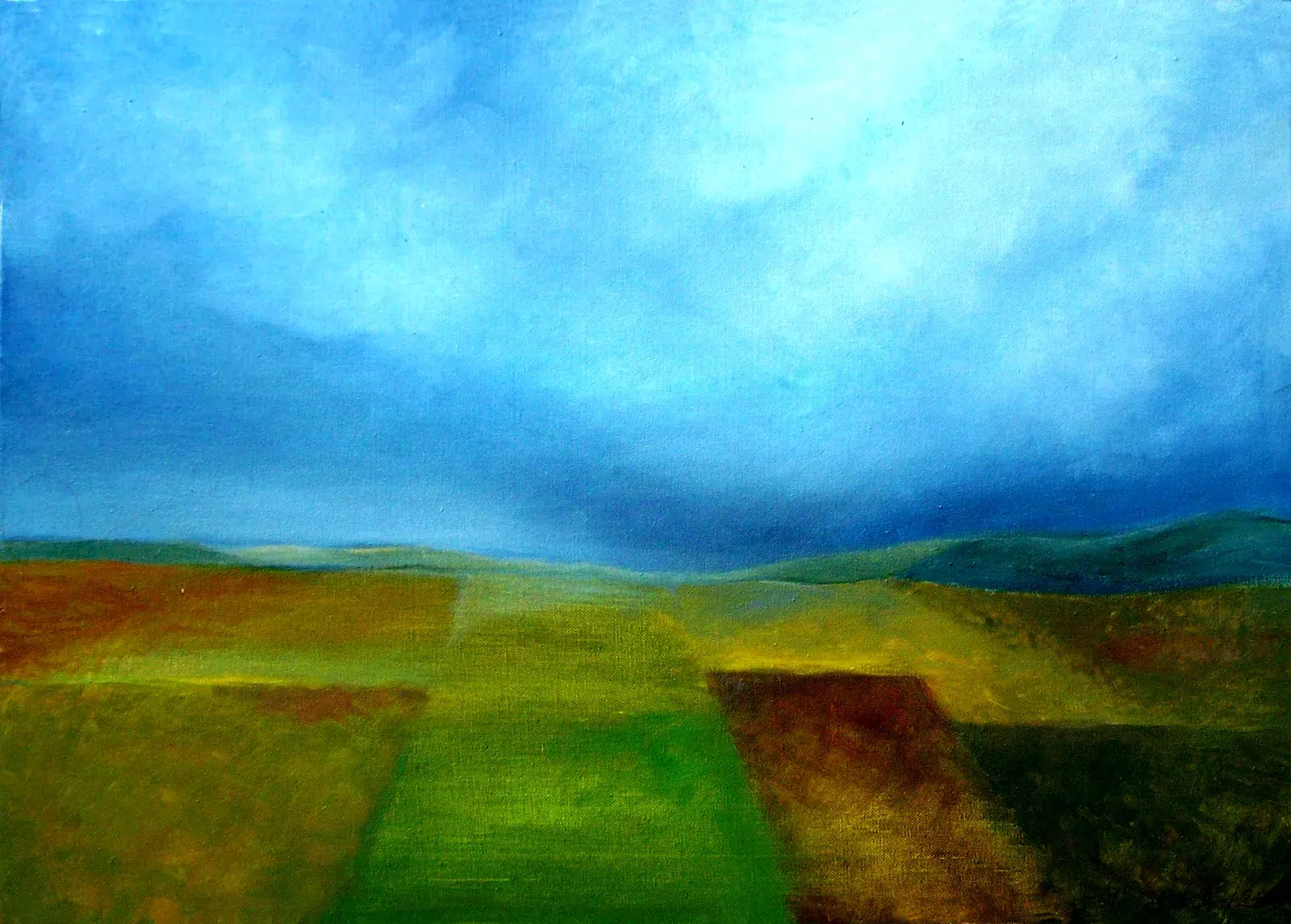
Jesienne niebo II
Autumn sky II 2007 · oil on canvas - AW.P.0023
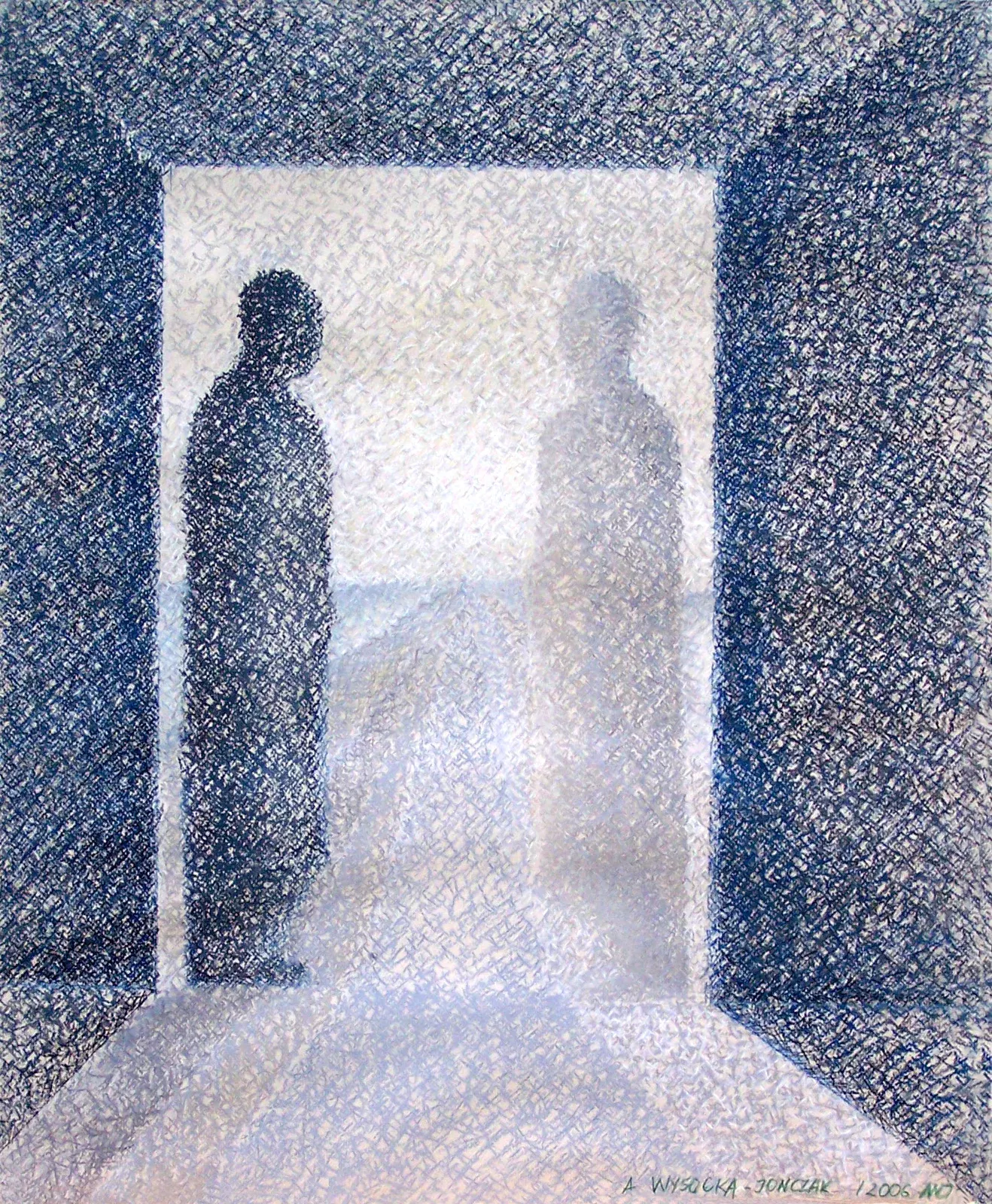
Zatrzymane w Pamięci — Droga
Held in memory — The road 2006 · pastel - AW.P.0024
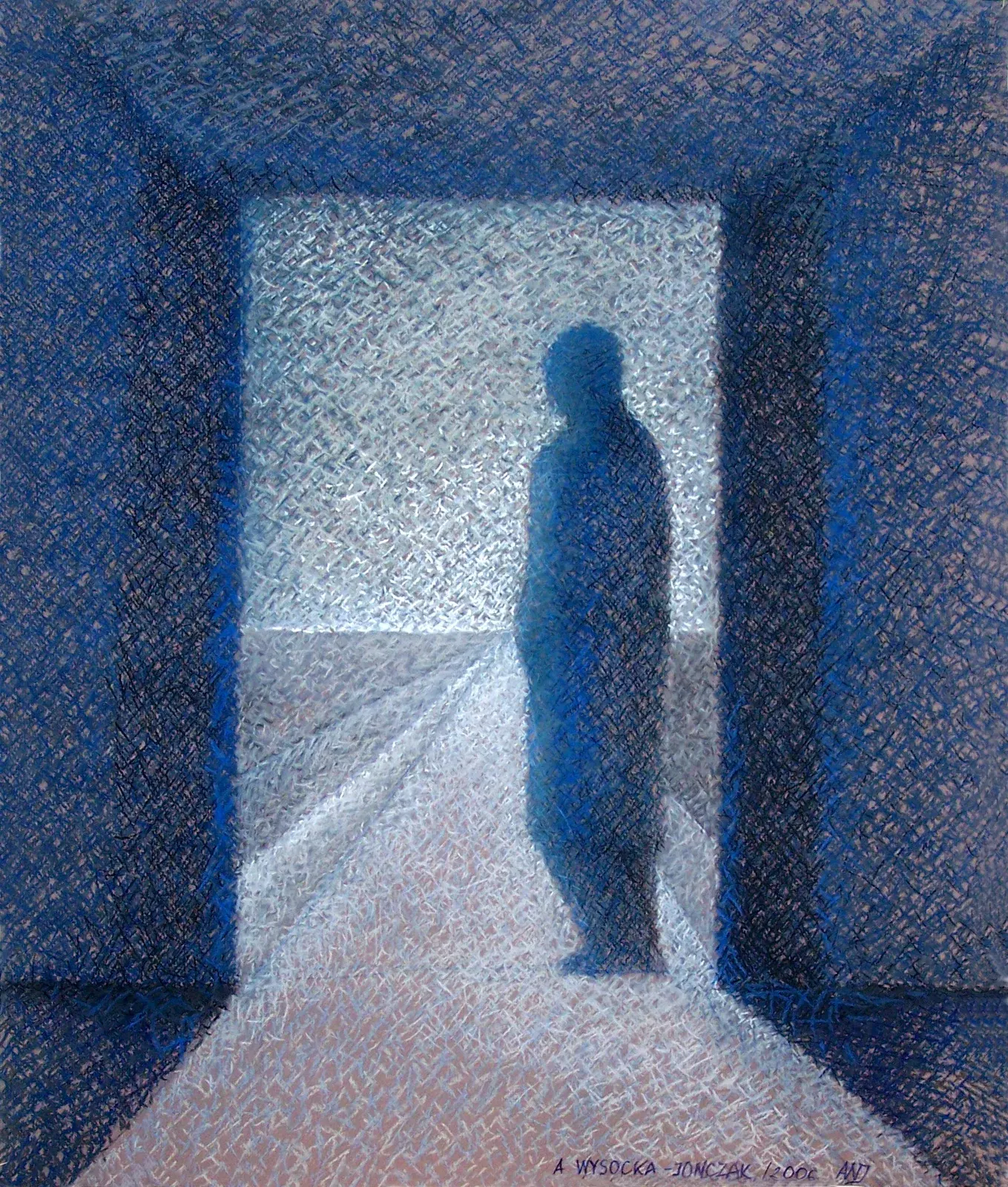
Zatrzymane w Pamięci — Droga II
Held in memory — The road II 2006 · pastel - AW.P.0027
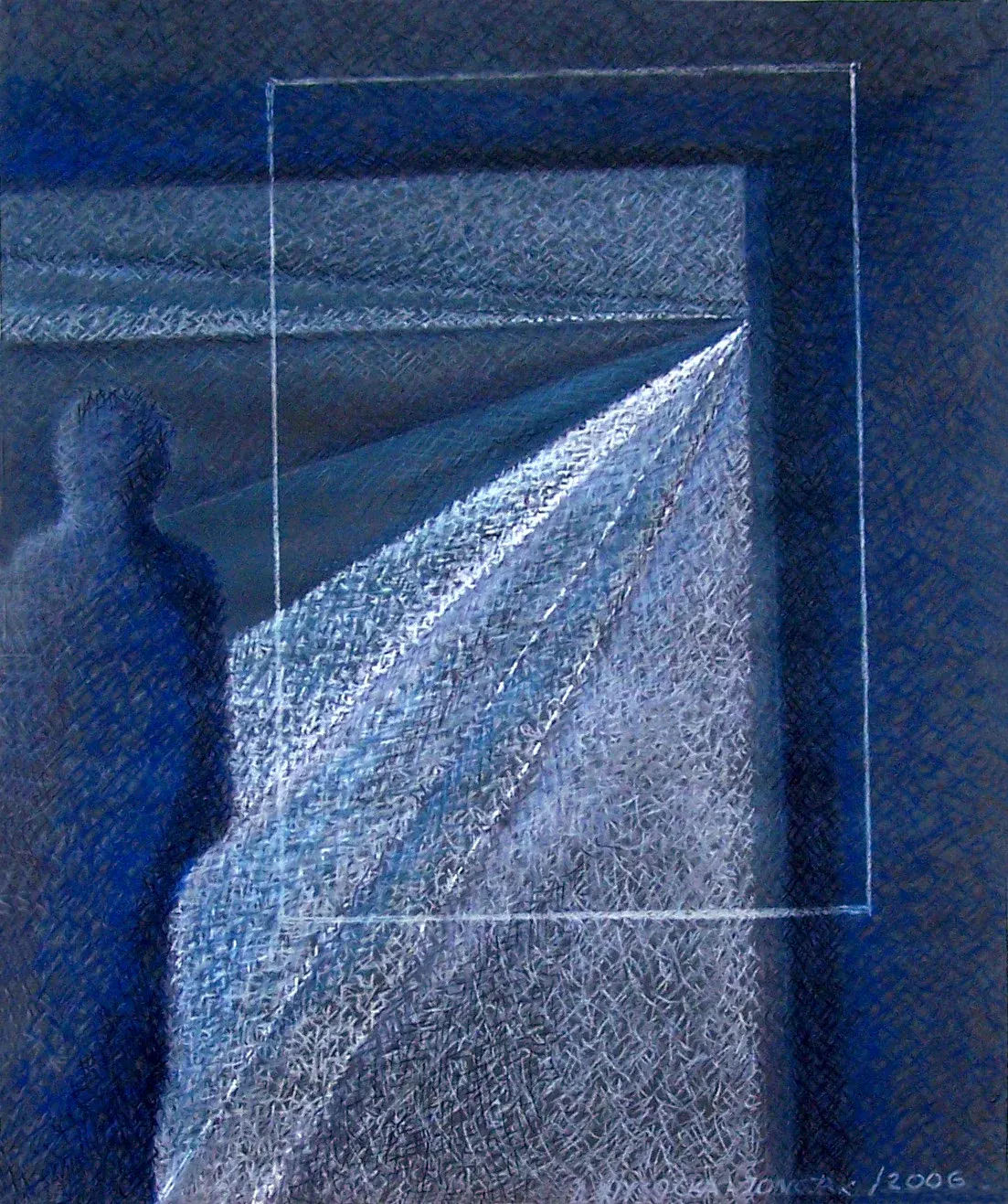
Zatrzymane w Pamięci — Droga III
Held in memory — The road III 2006 · pastel - AW.P.0025
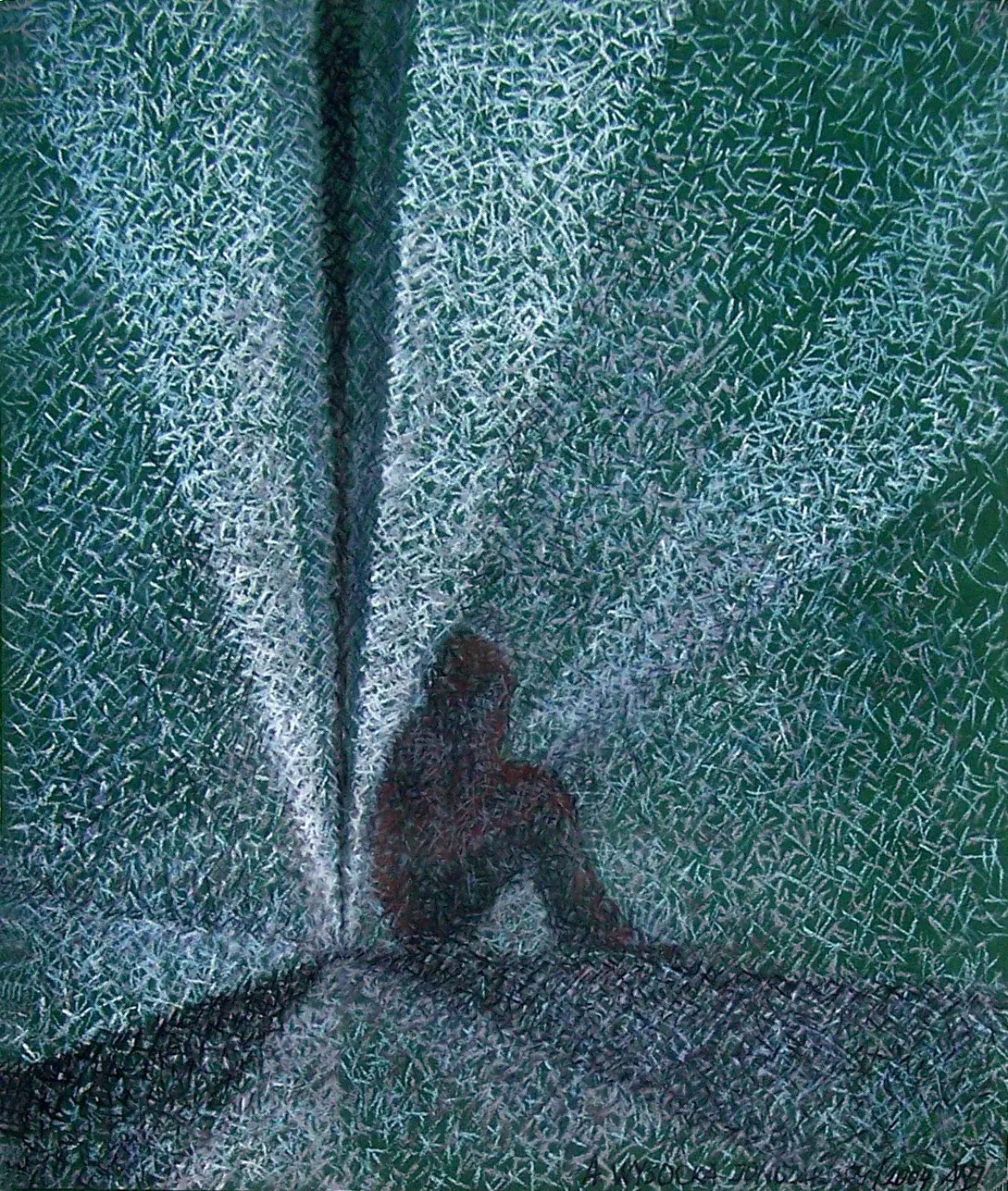
Zatrzymane w Pamięci — Oczekiwanie
Held in memory — Waiting 2004 · pastel - AW.P.0026
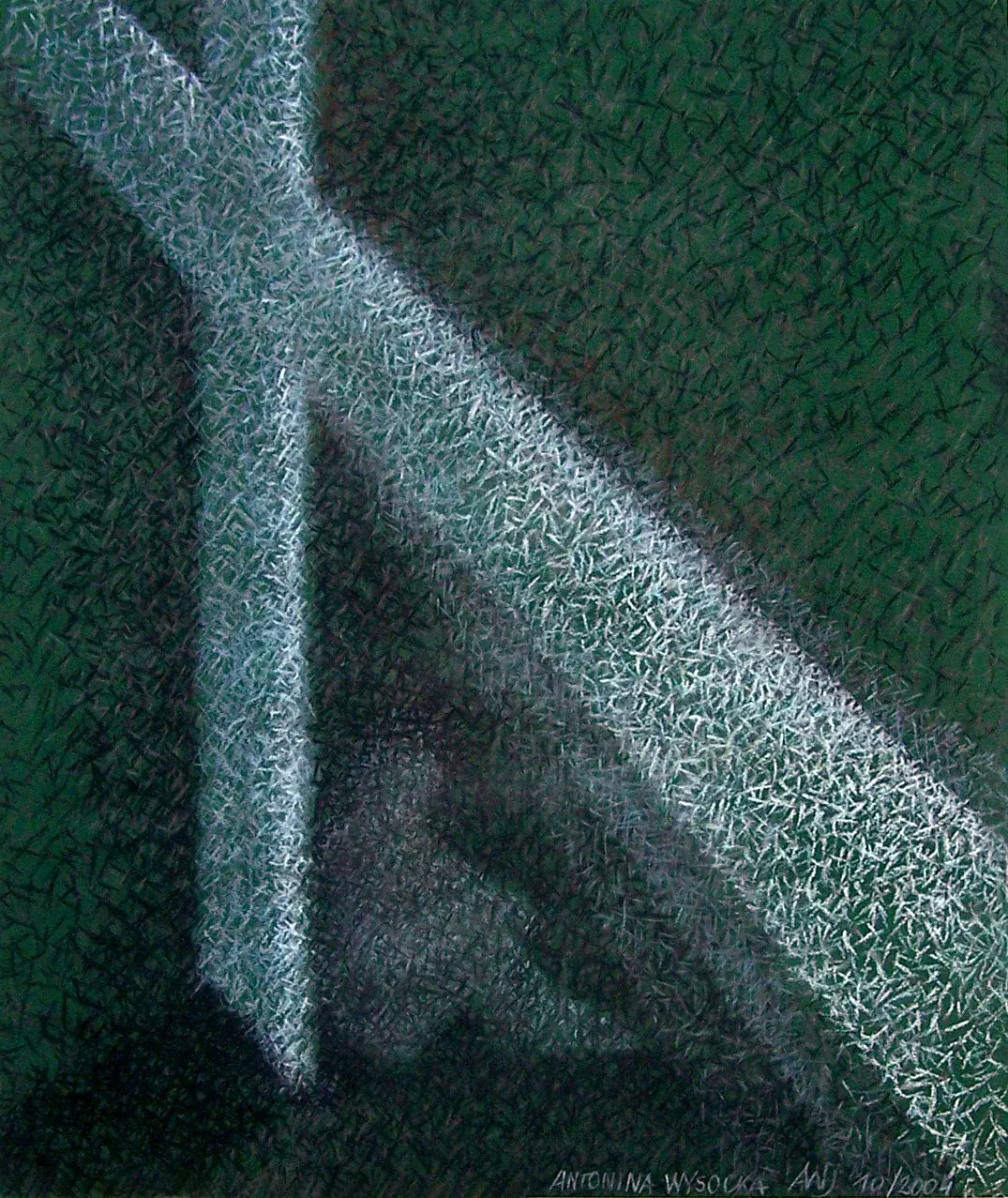
Zatrzymane w Pamięci — Oczekiwanie
Held in memory — Waiting 2004 · pastel - AW.P.0028
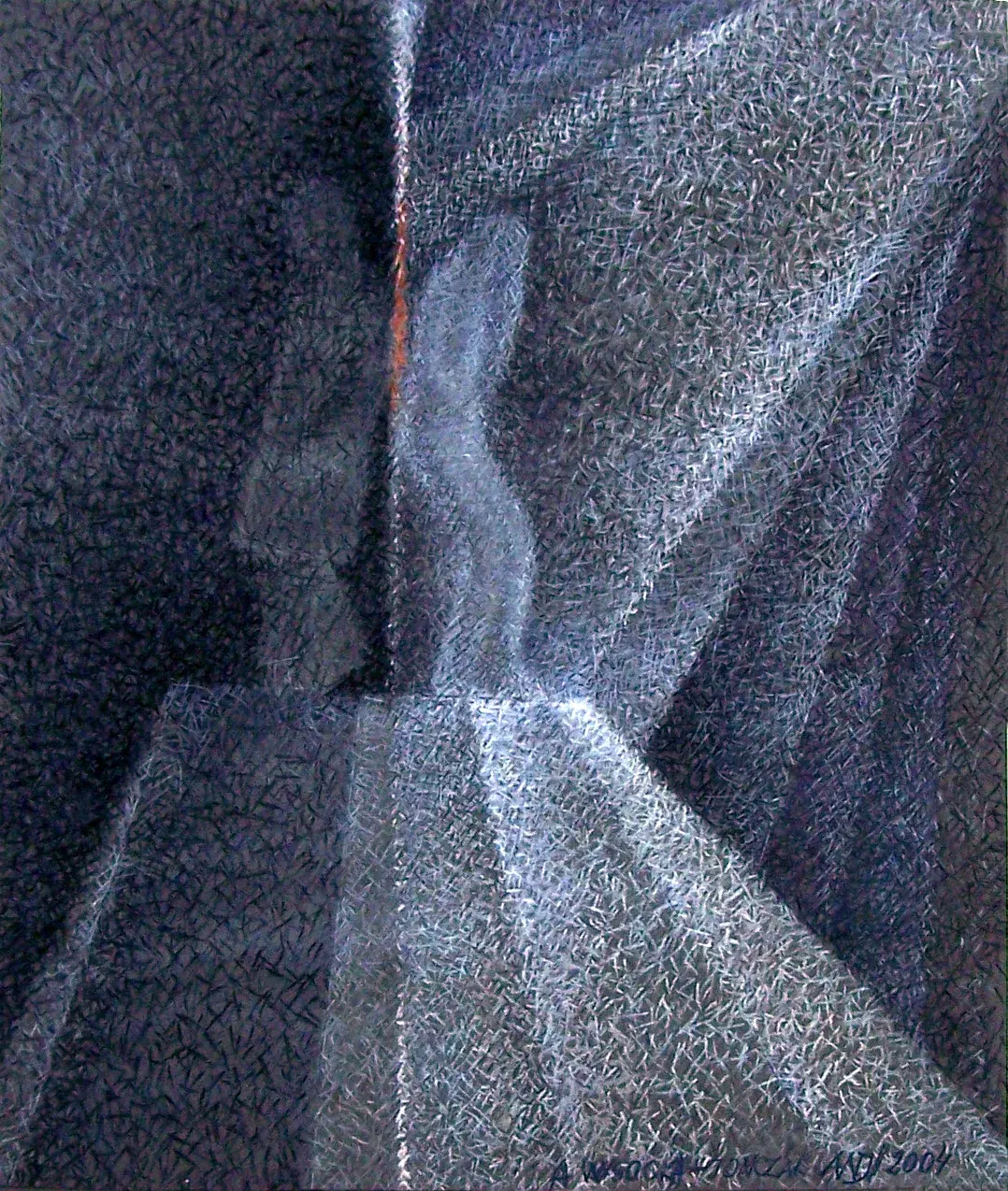
Zatrzymane w Pamięci — Rozpacz
Held in memory — Despair 2004 · pastel - AW.P.0056
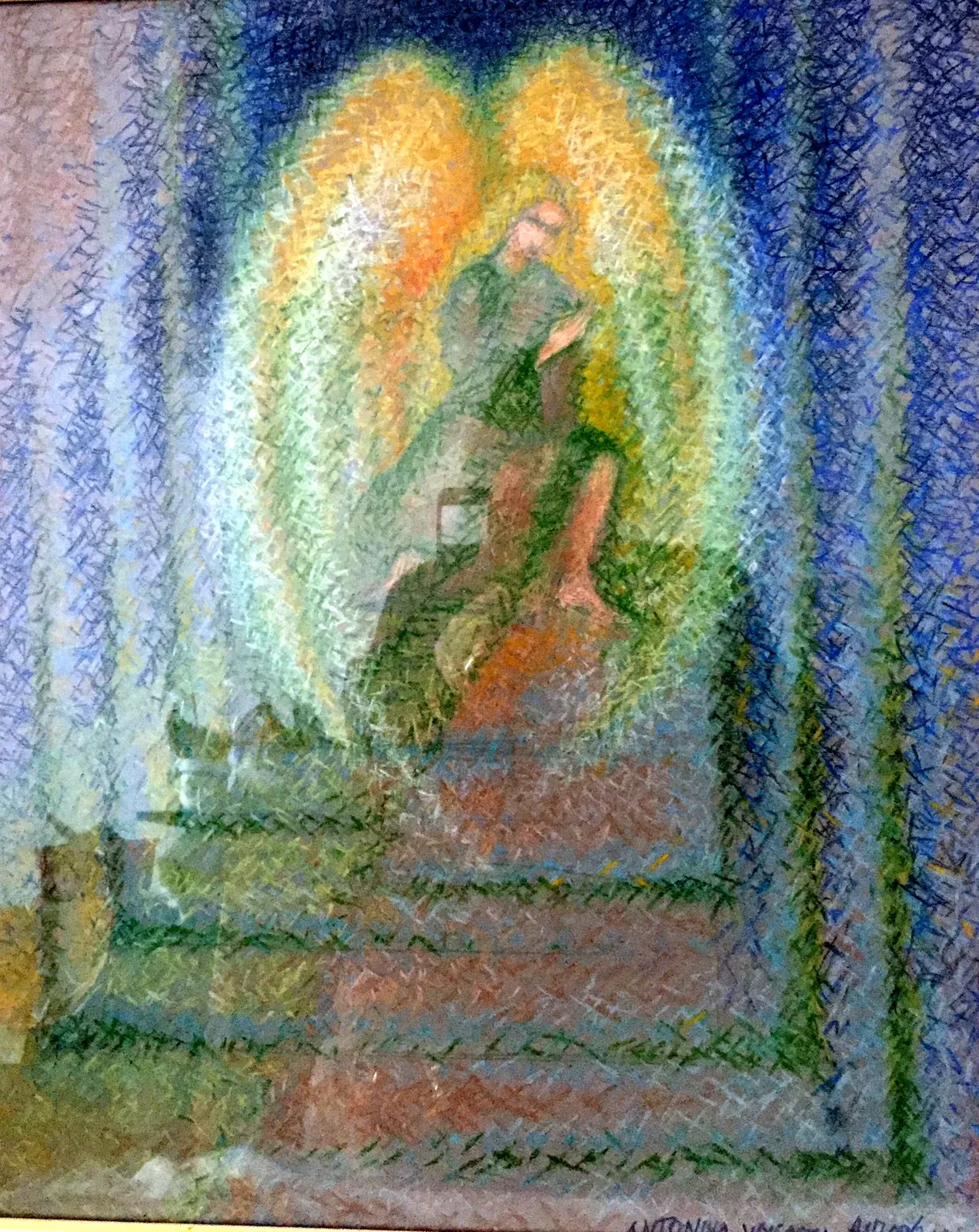
Z cyklu Anioły
From the cycle «Anioły» 2004 · pastel - AW.P.0091
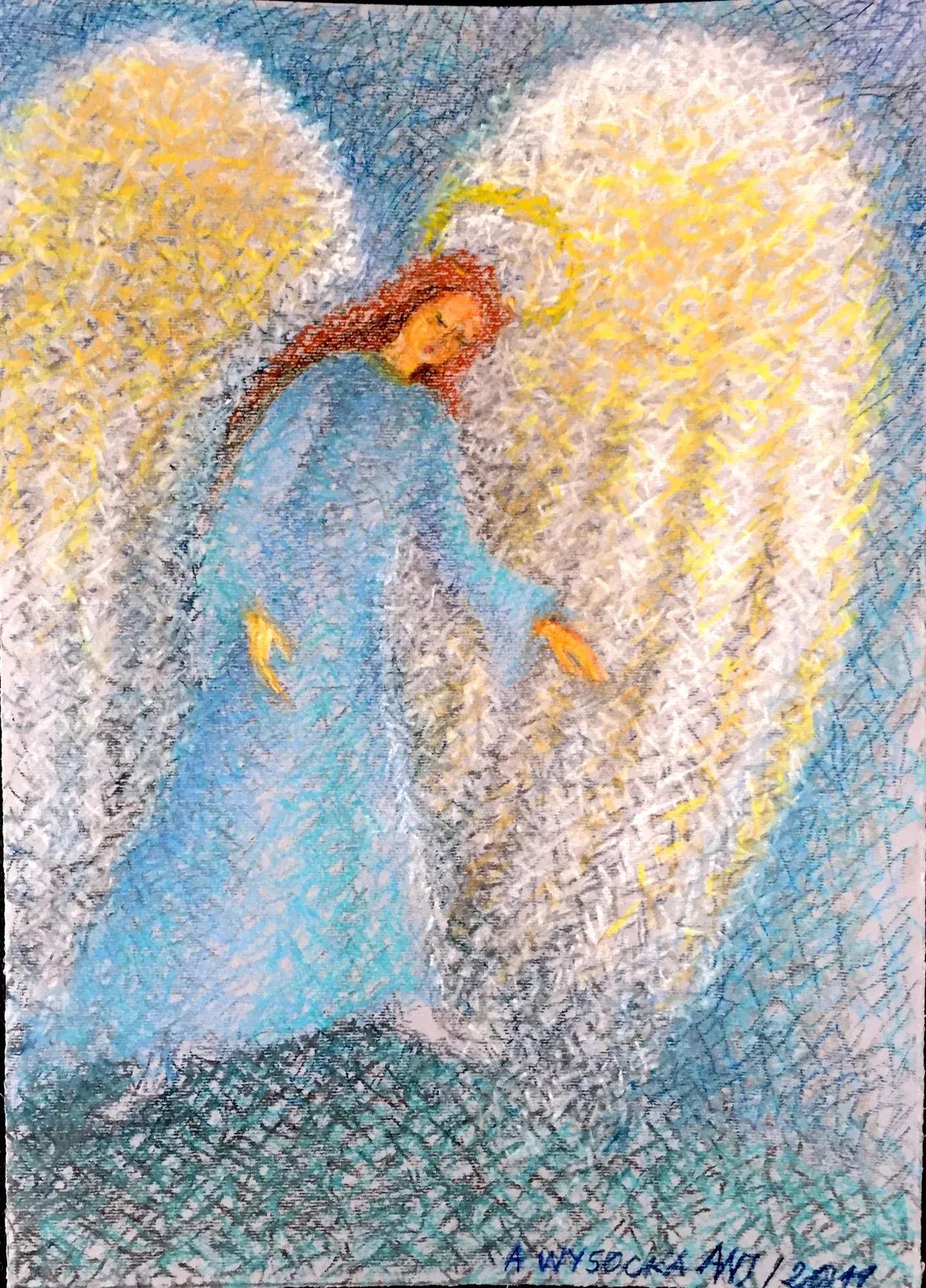
Anioł
Angel 2004 · pastel - AW.P.0093
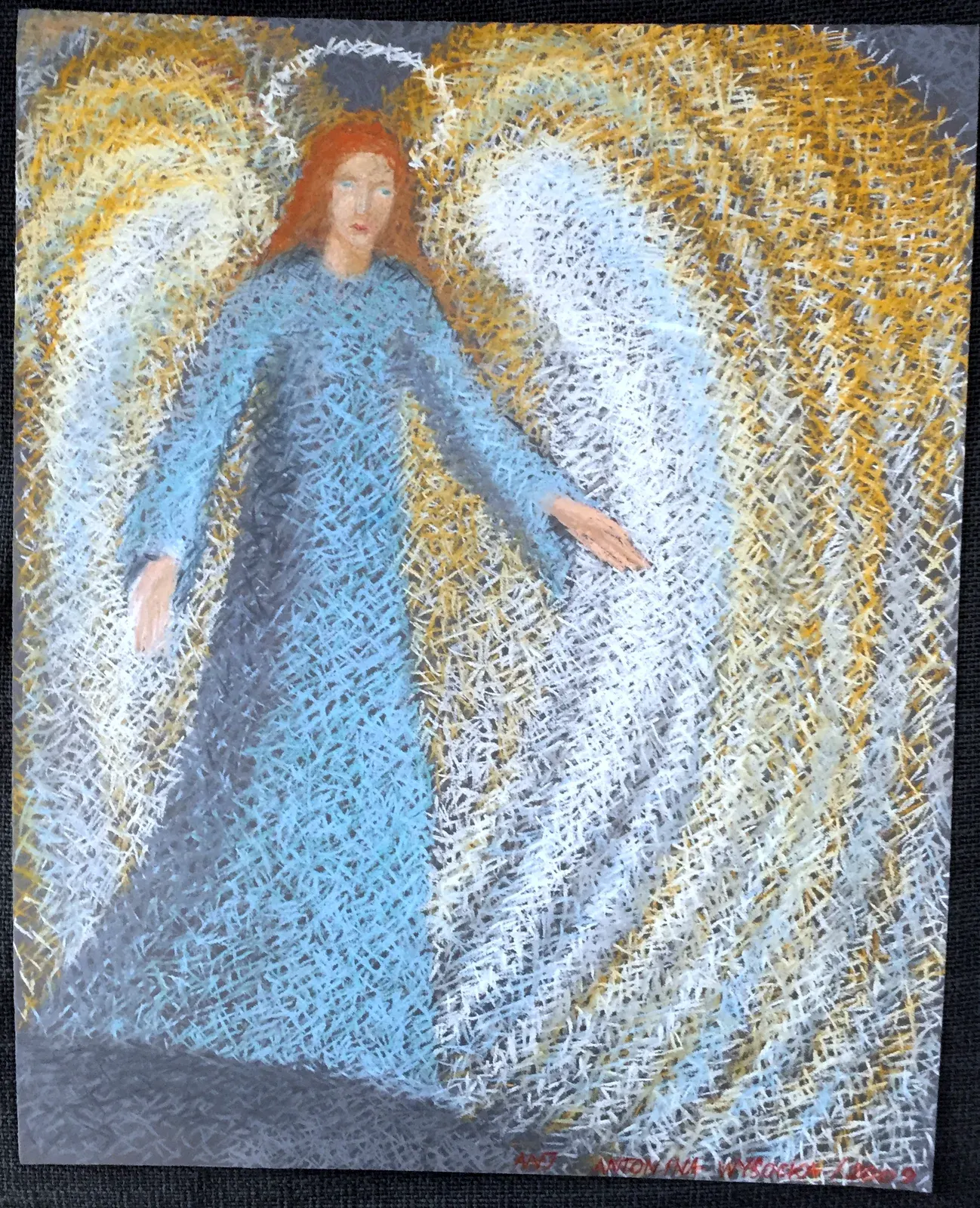
Anioł
Angel 2004 · pastel - AW.P.0096
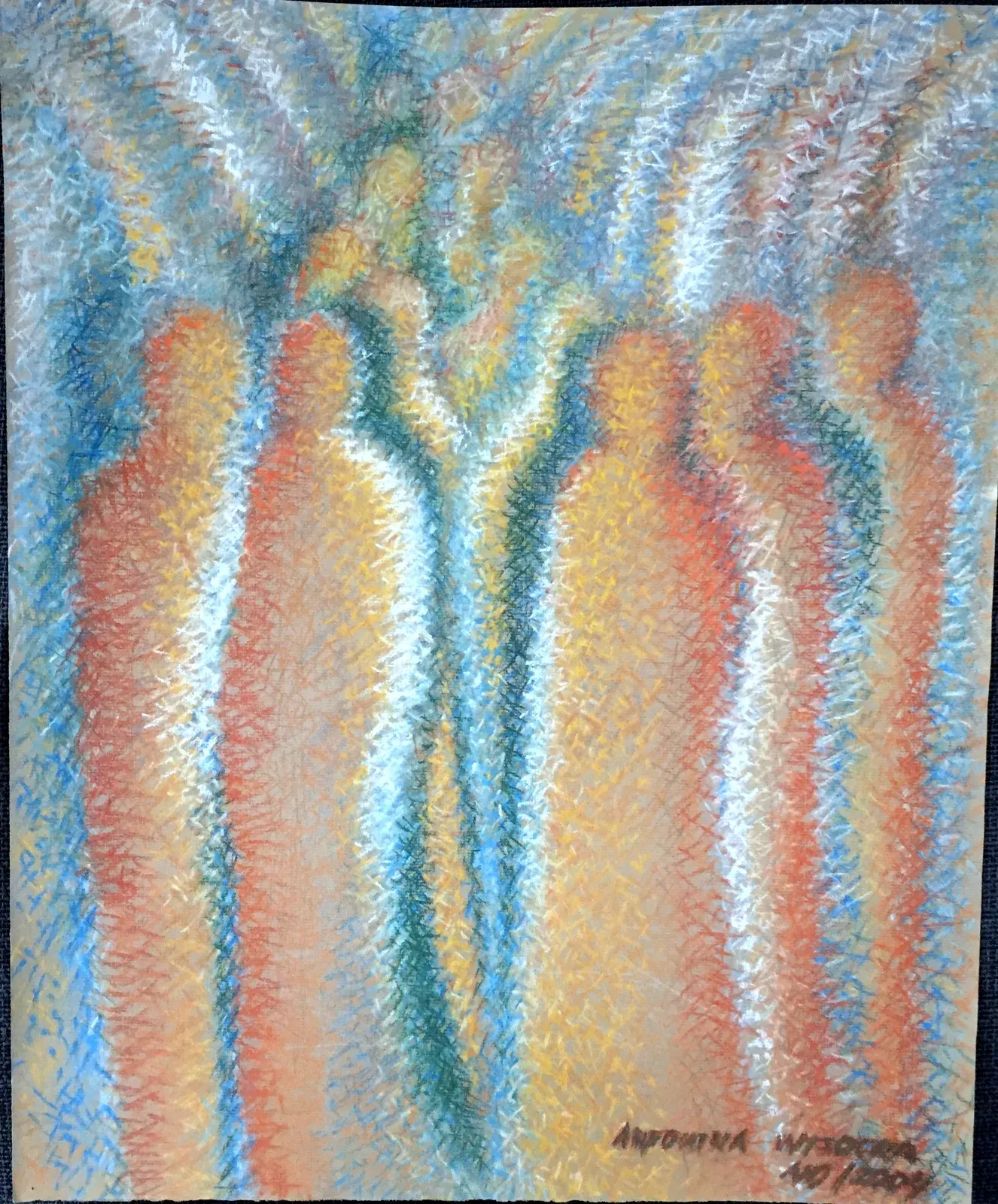
Ludzie
People 2004 · pastel - AW.P.0010
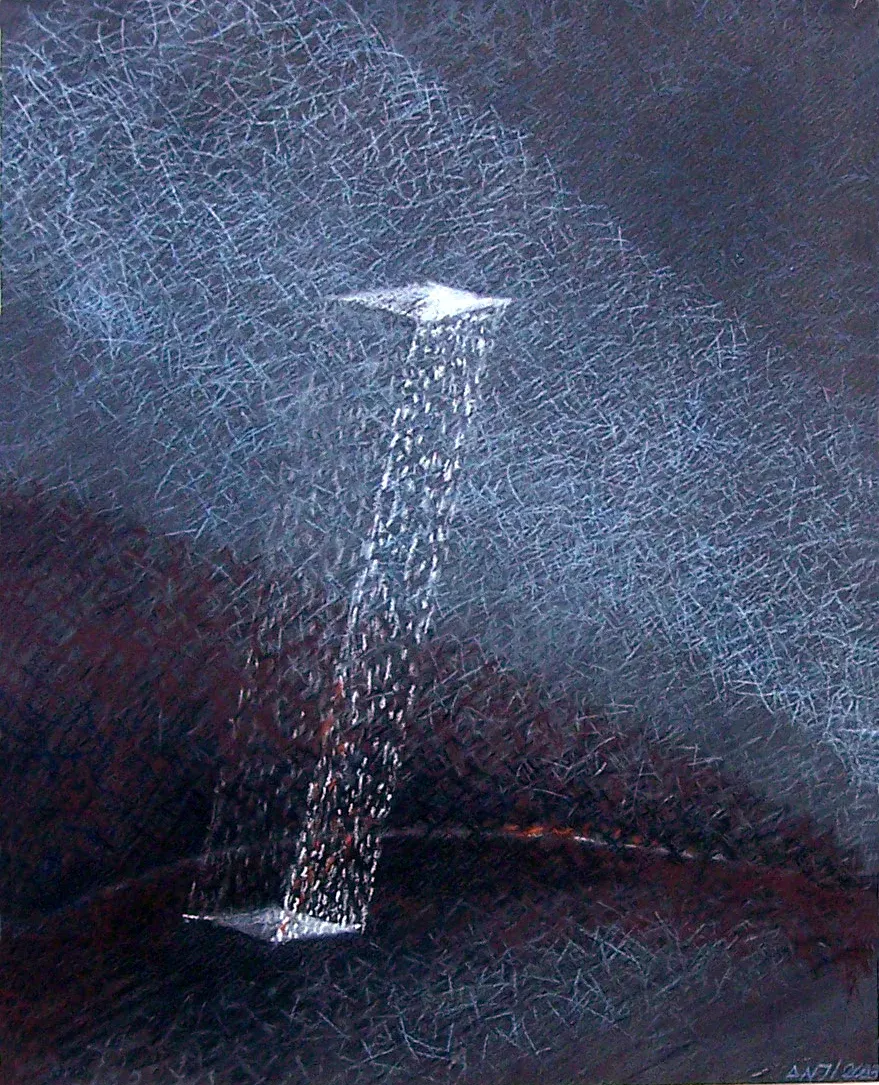
Jako w Niebie, tak i na Ziemi
On Earth as it is in Heaven 2003 · pastel - AW.P.0002
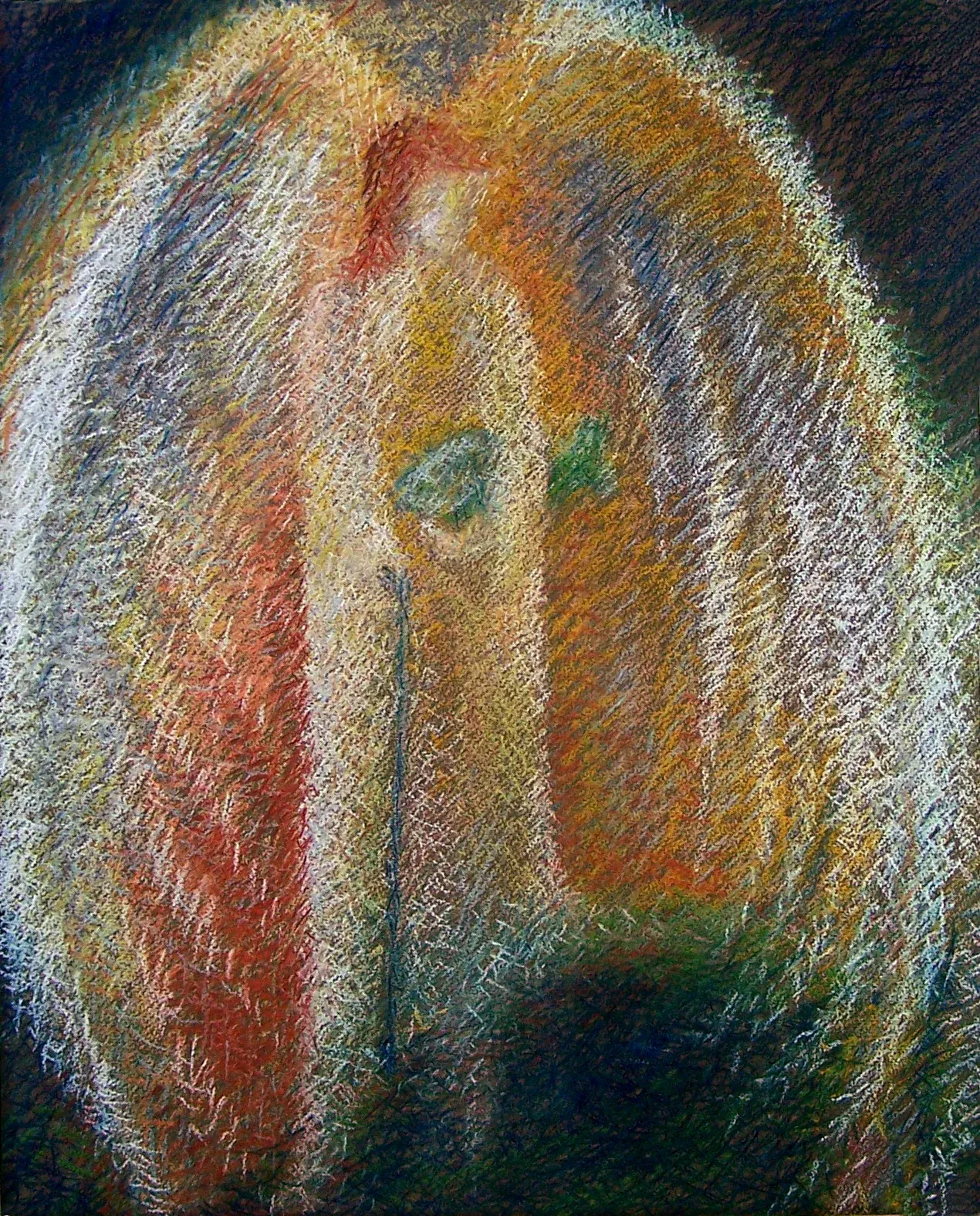
Alberta Archanioł Rafał
Albert’s Archangel Raphael 2000 · pastel - AW.P.0004
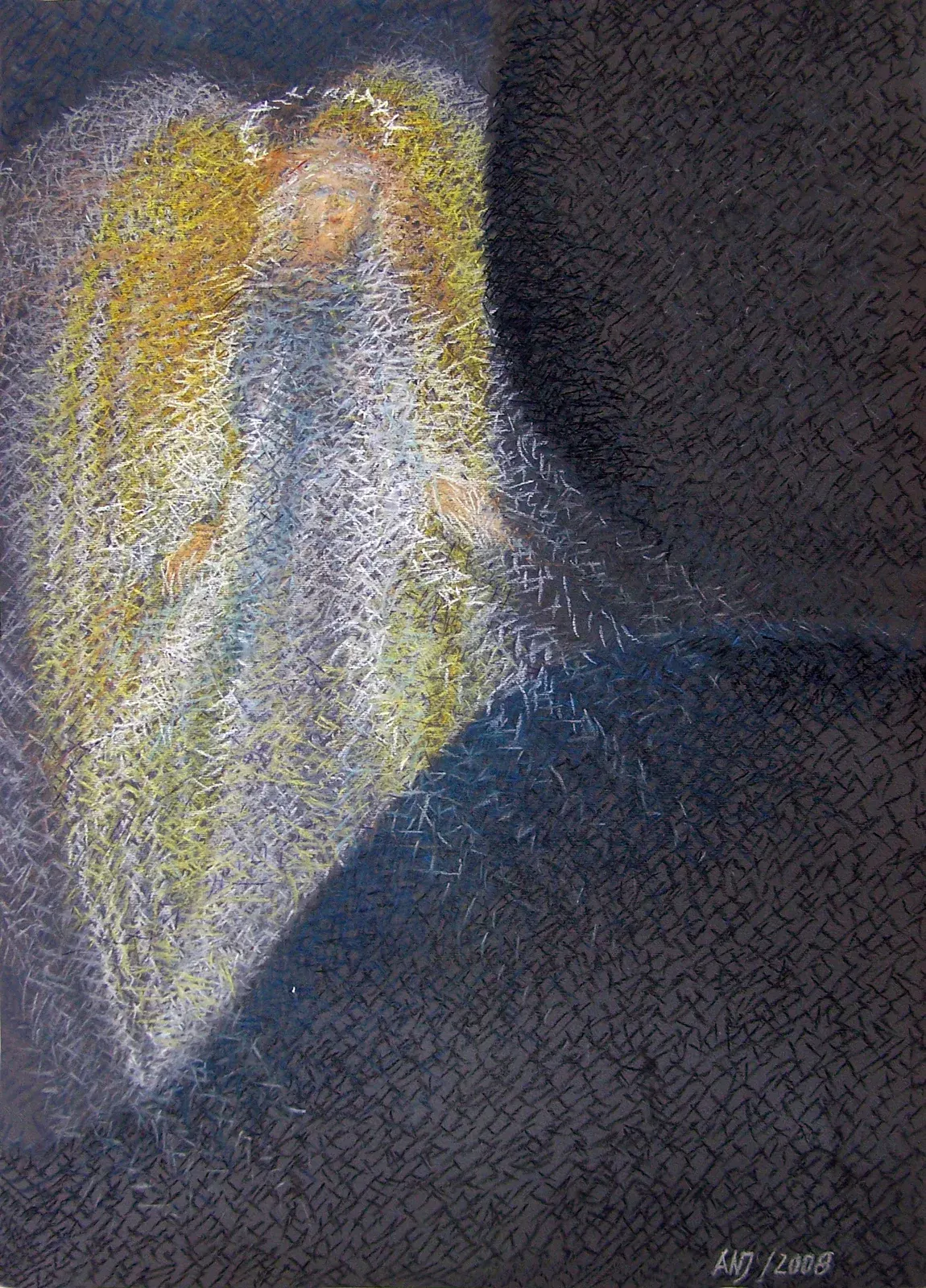
Anioł
Angel 2000 · pastel - AW.P.0001
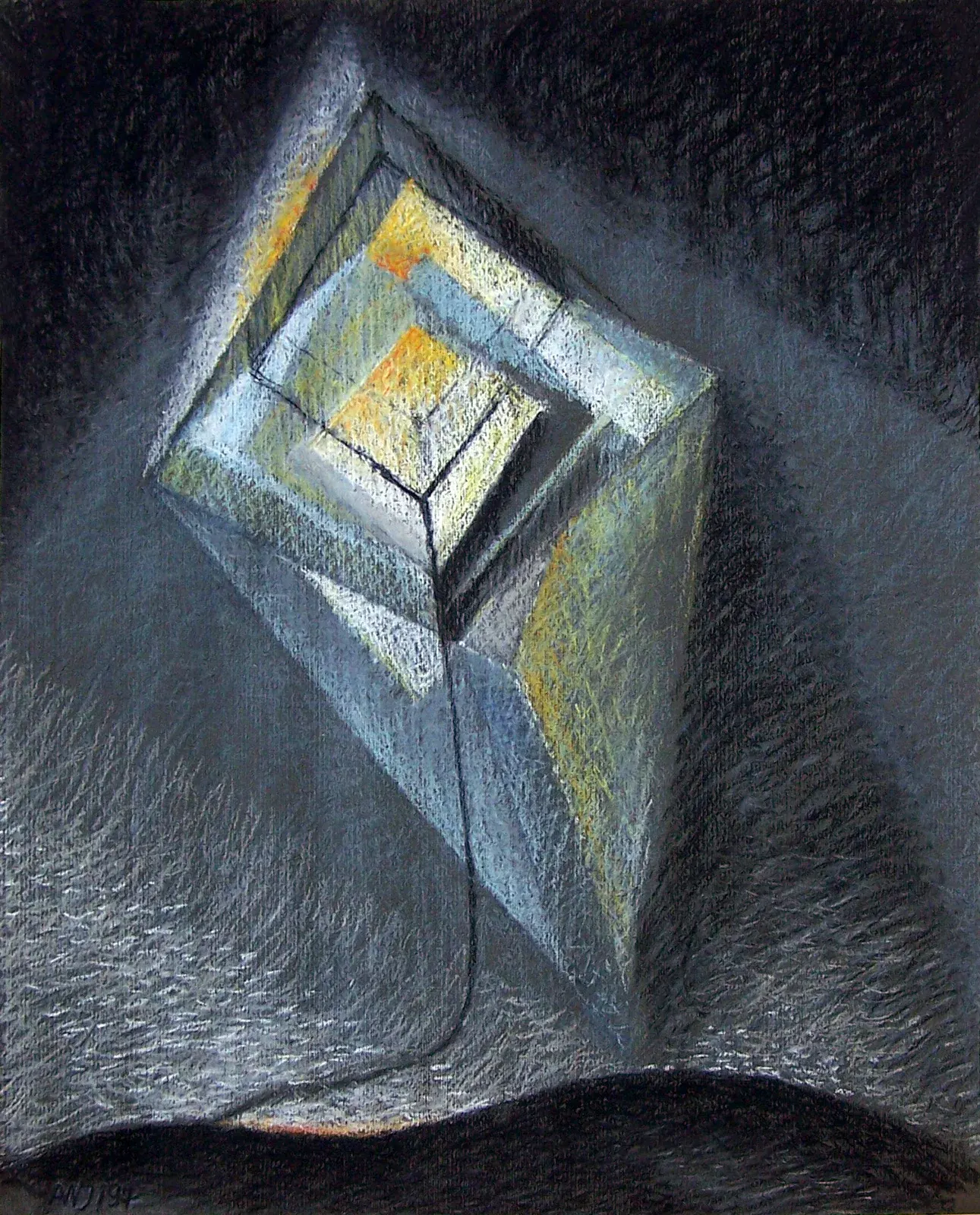
Latawiec
Kite 1997 · pastel - AW.P.0011
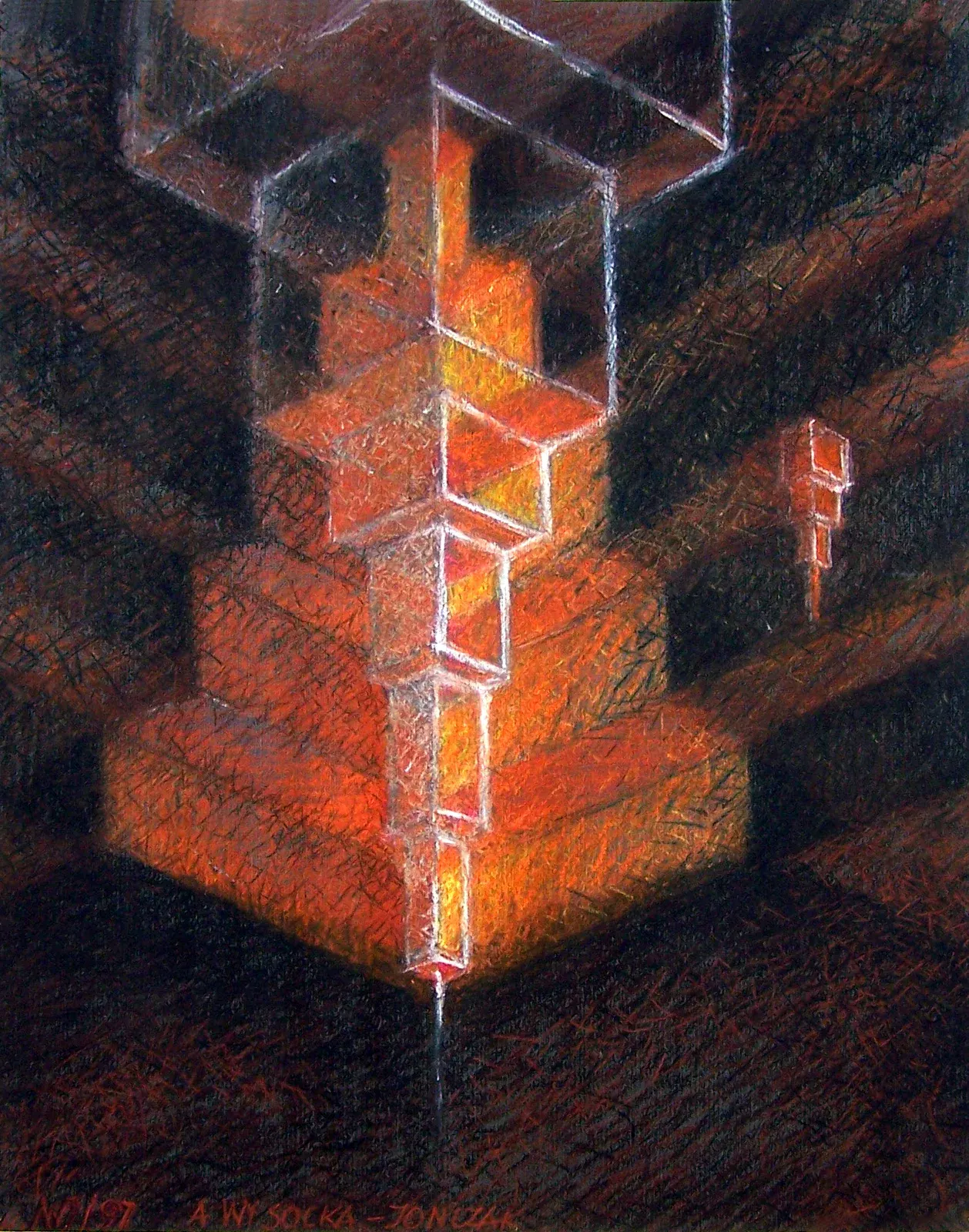
Osobista Piramida
Personal pyramid 1997 · pastel - AW.P.0036
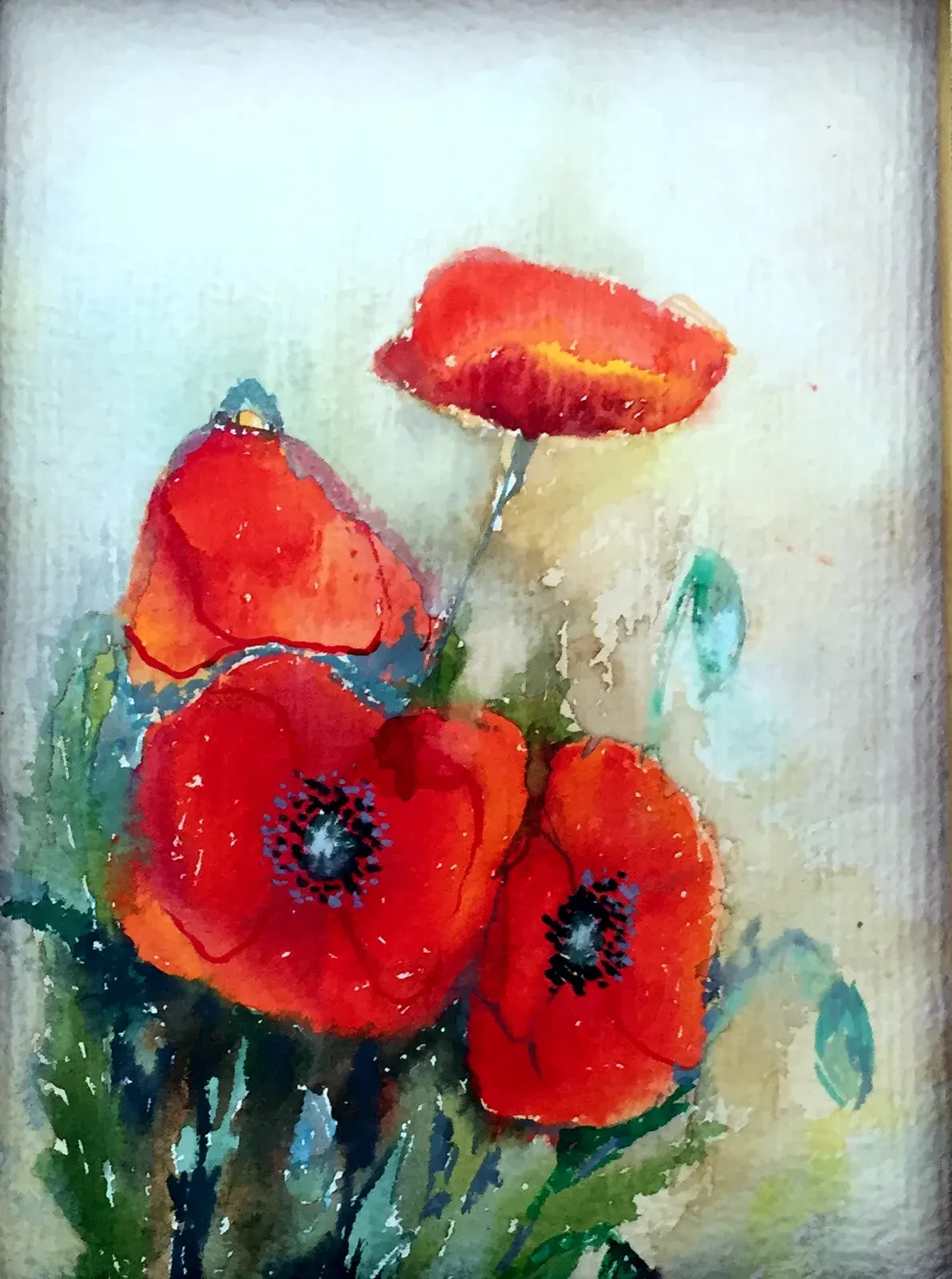
Maki — kompozycja
Poppies, a composition 1996 · watercolour - AW.P.0034
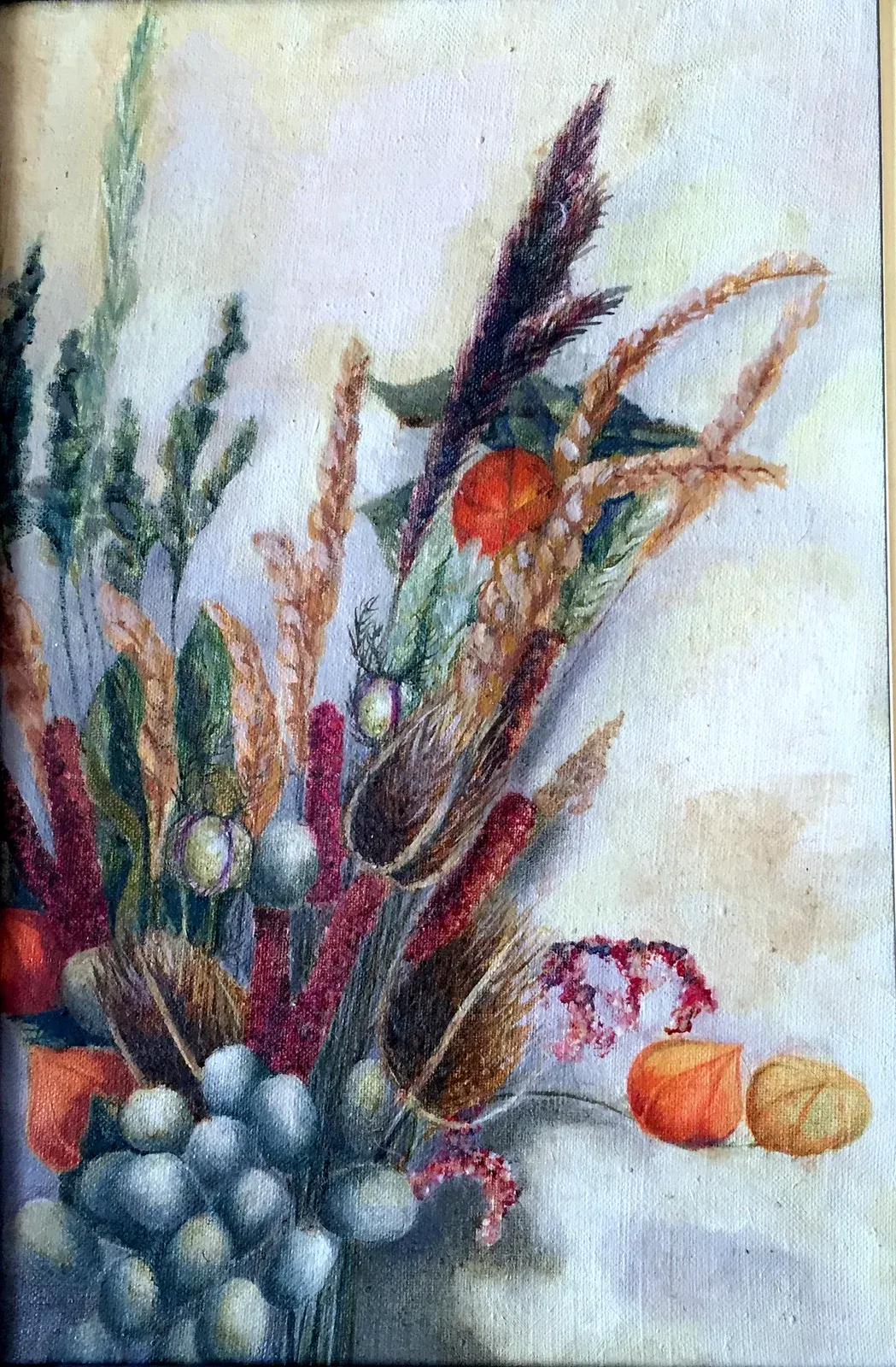
Kompozycja I
Composition I 1995 · canvas - AW.P.0035
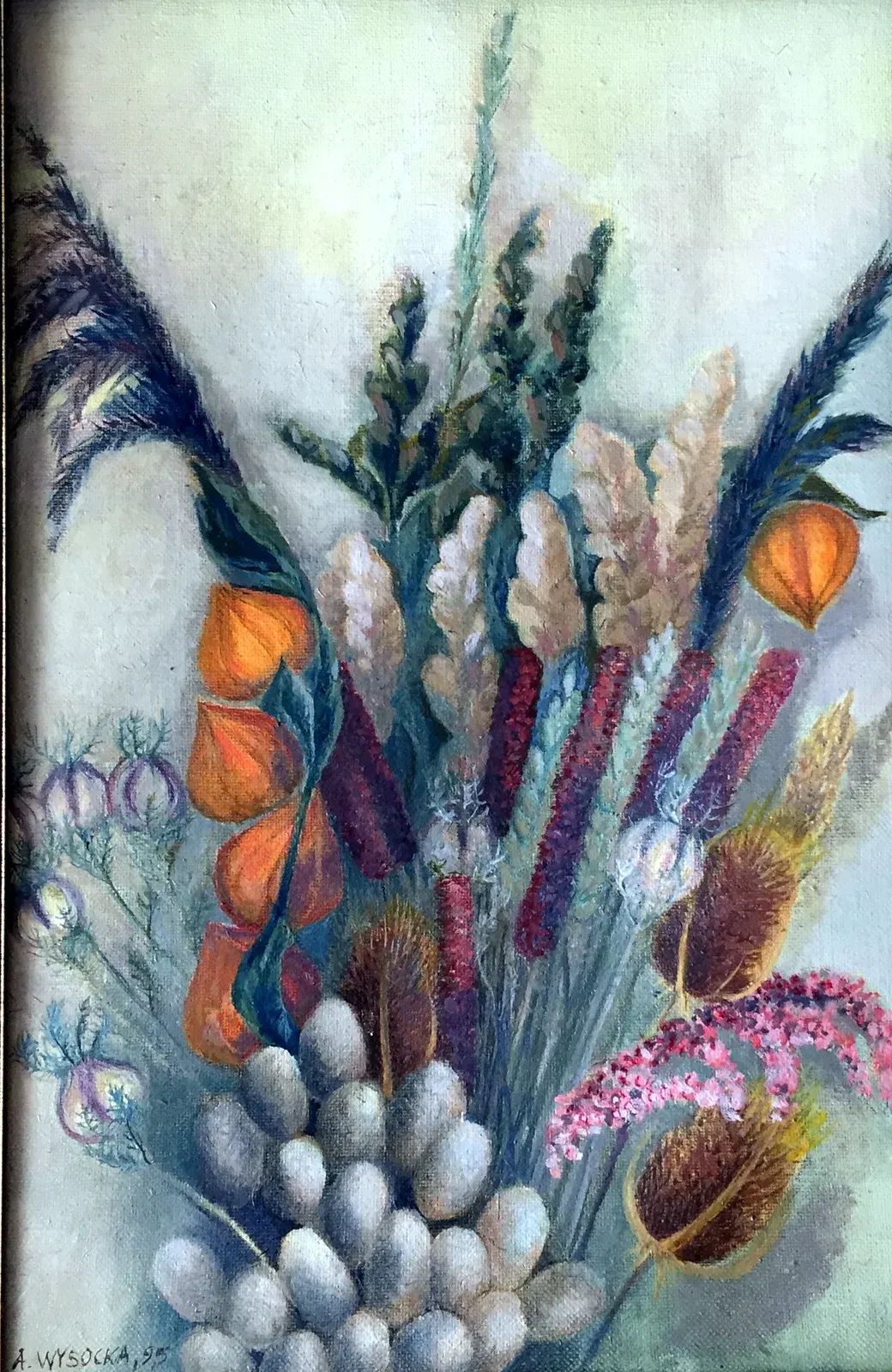
Kompozycja II
Composition II 1995 · canvas - AW.P.0136
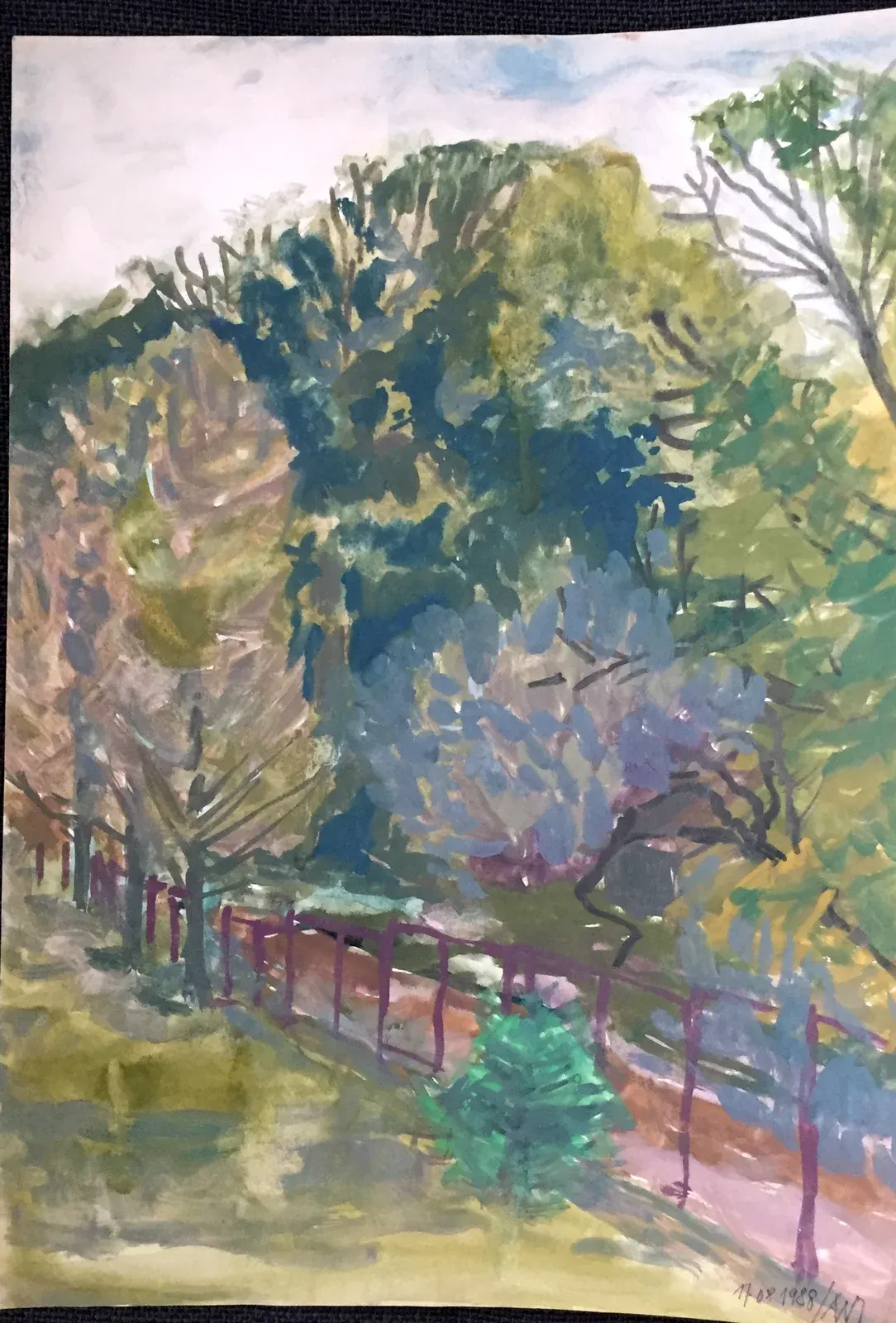
Pejzaż
Landscape 1988 · watercolour - AW.P.0088
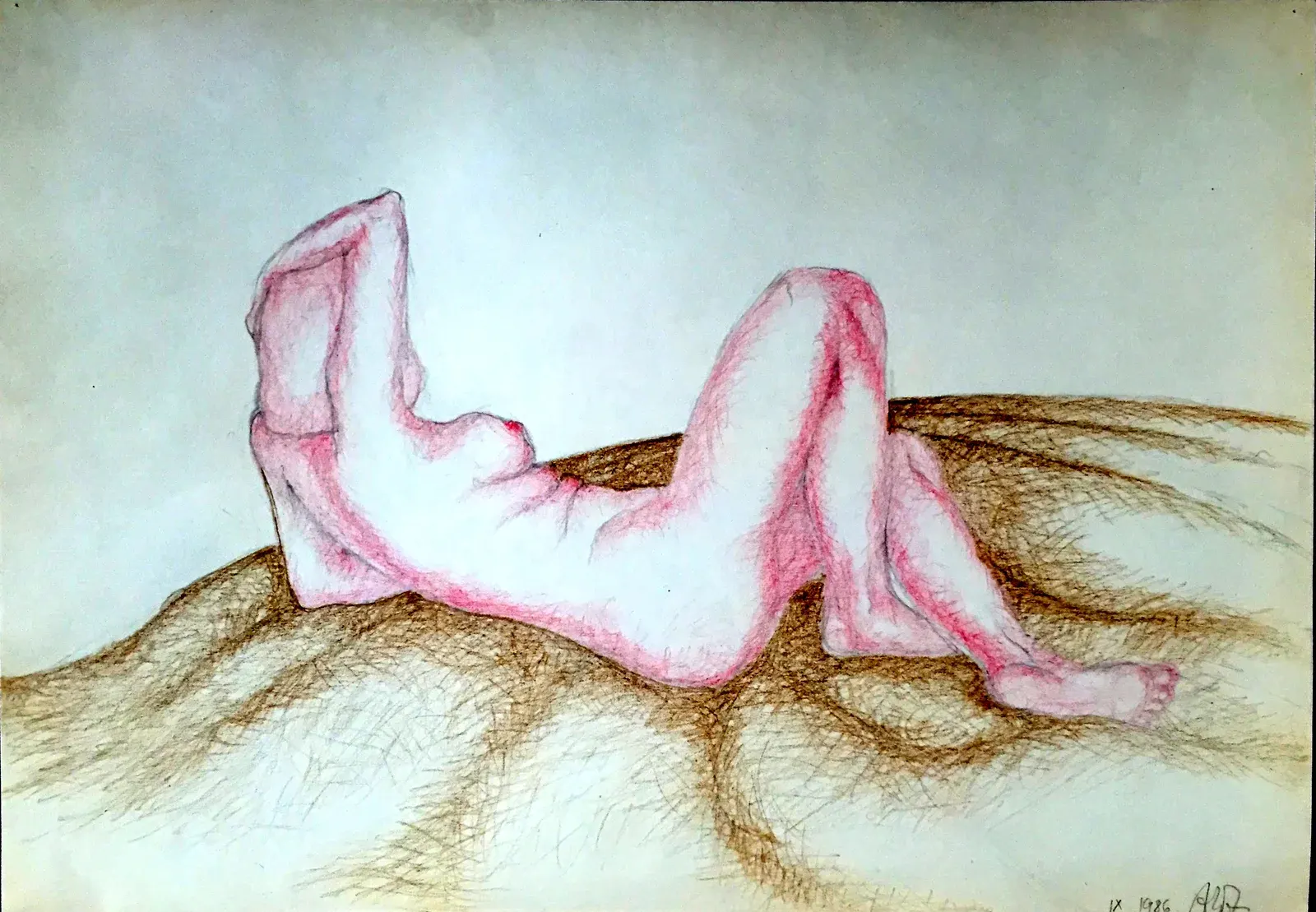
Akt
Nude 1986 · pastel - AW.P.0090
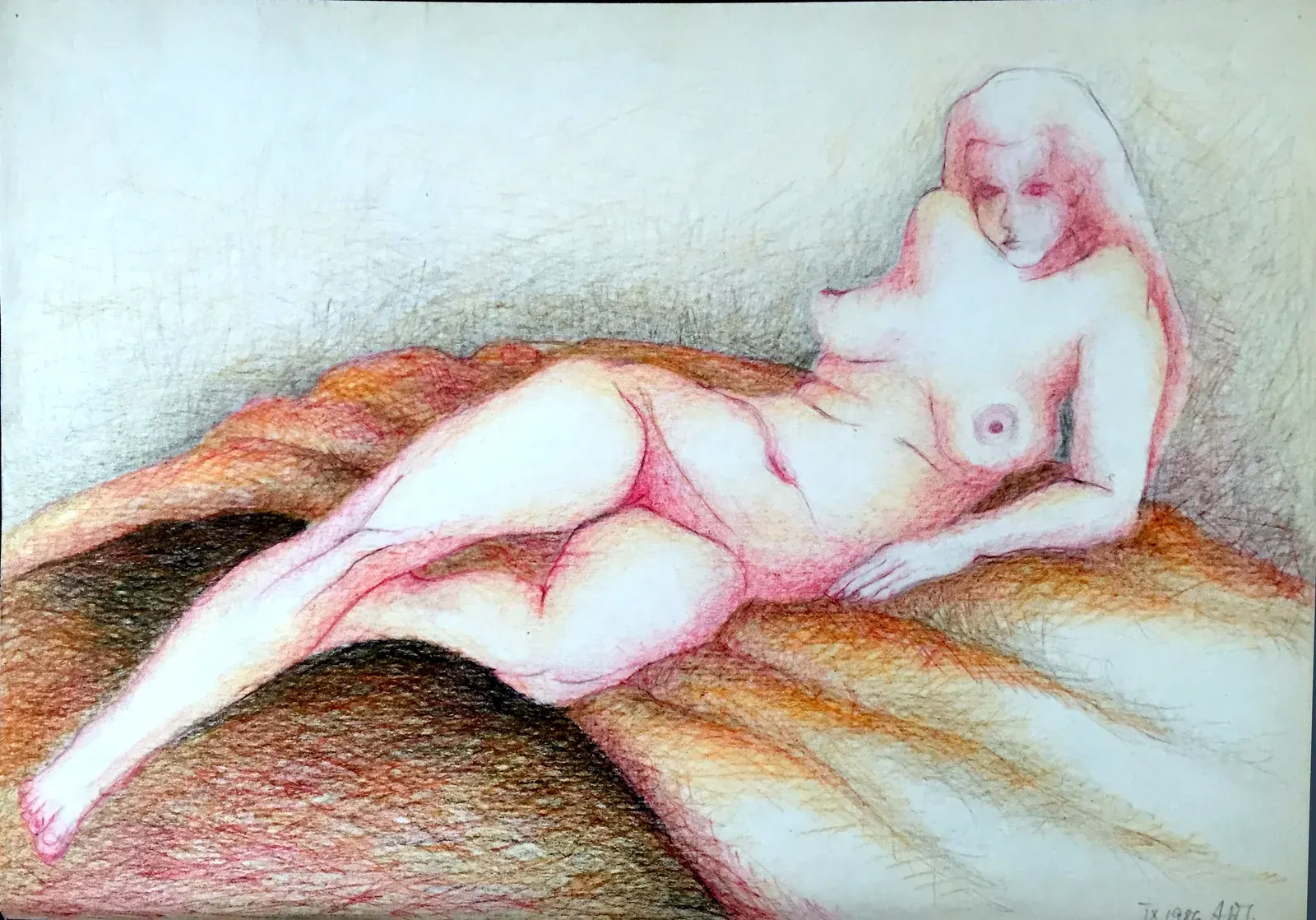
Akt
Nude 1986 · pastel - AW.P.0103
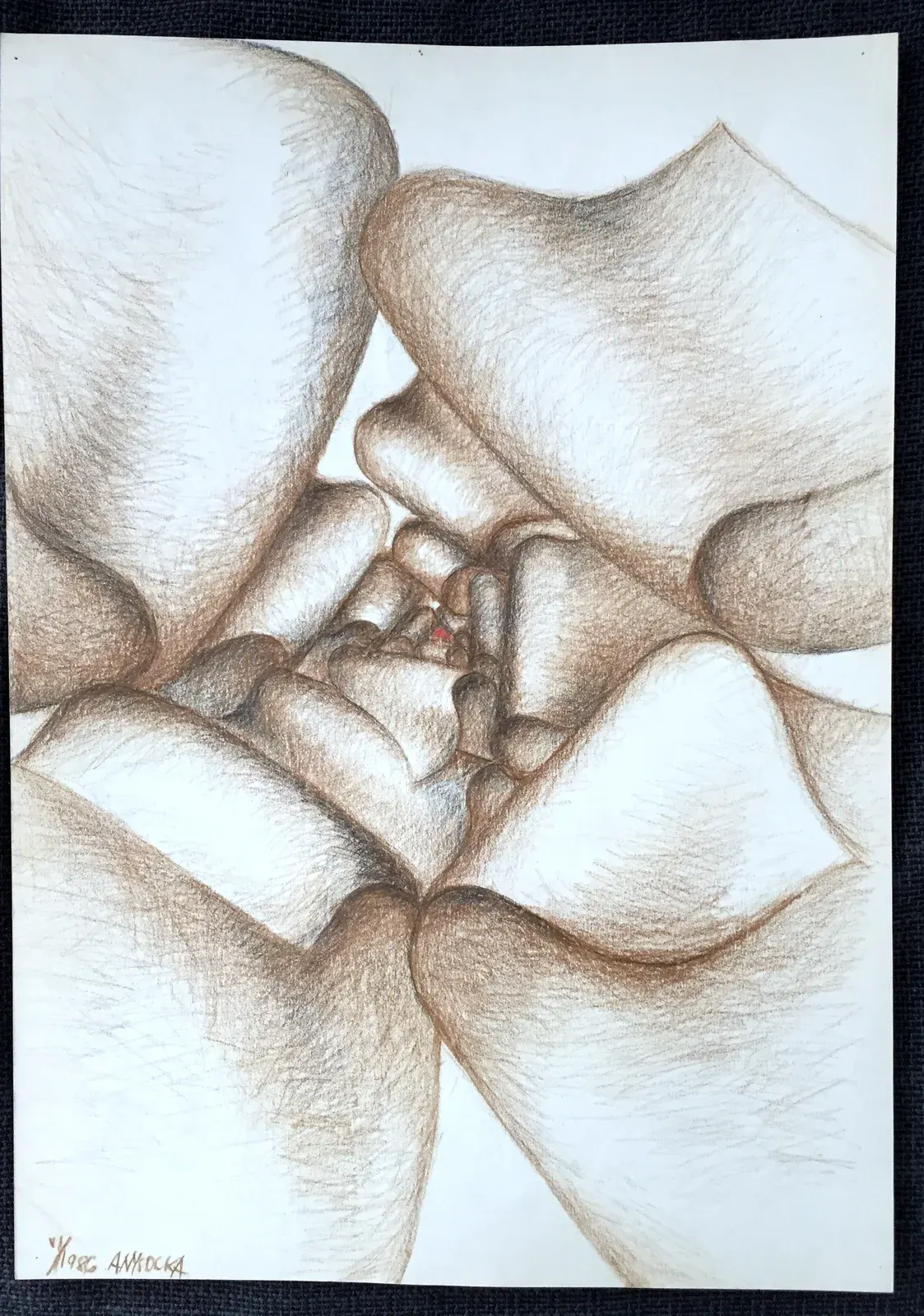
Róża
Rose 1986 · pastel - AW.P.0138
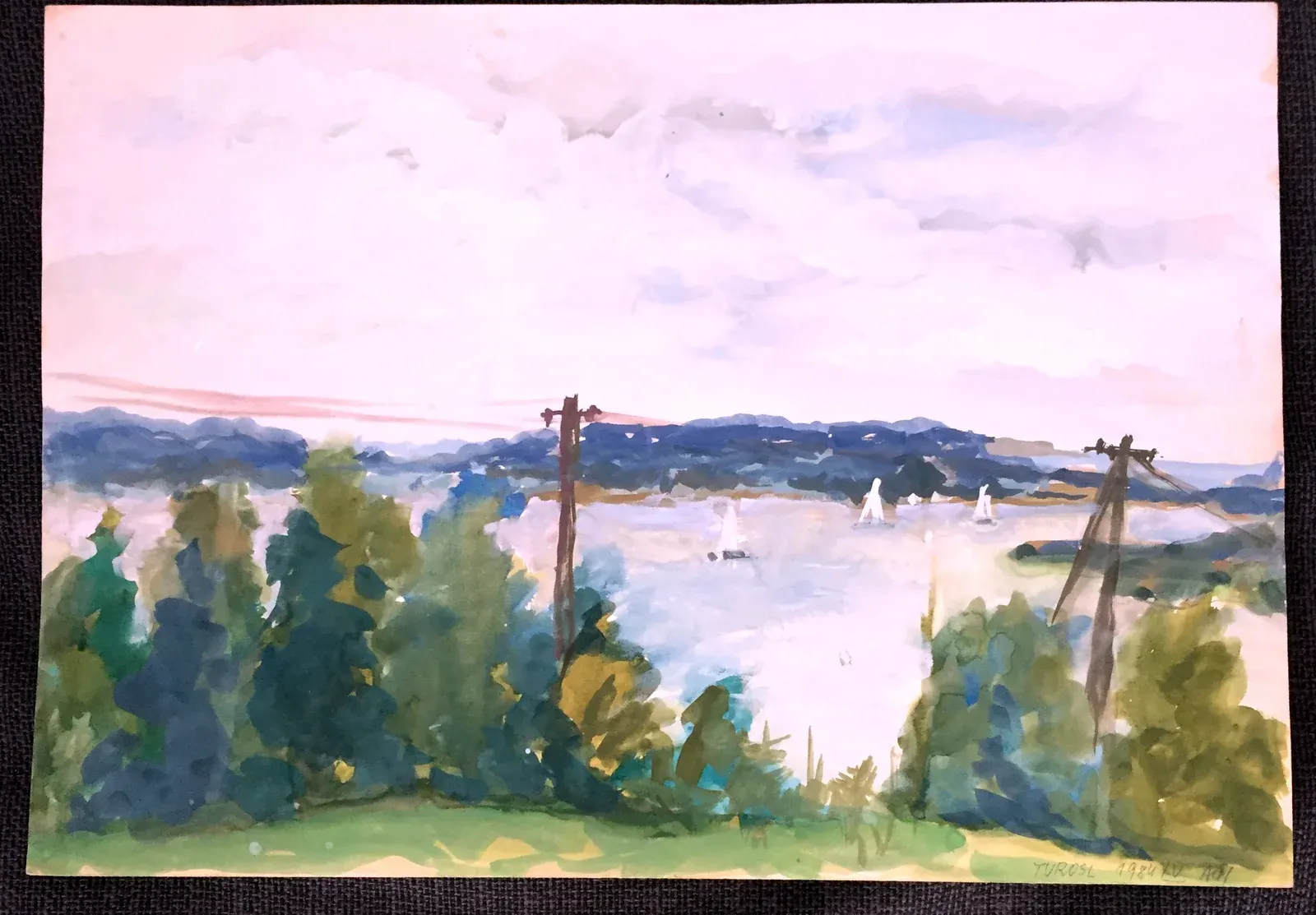
Widok na jezioro
View over the lake 1984 · watercolour - AW.P.0029
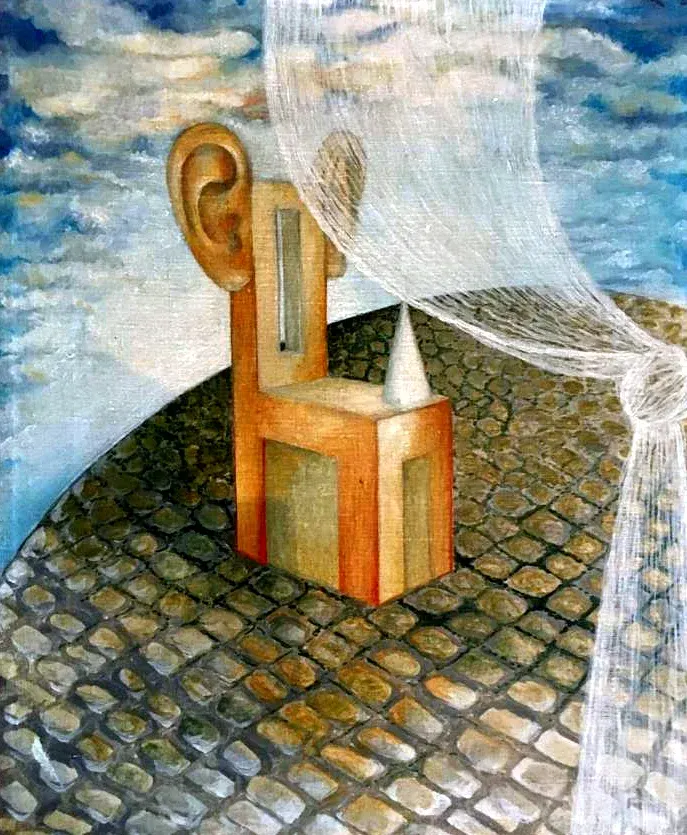
Sen nocy letniej
A midsummer night’s dream 1981 · canvas - AW.P.0037
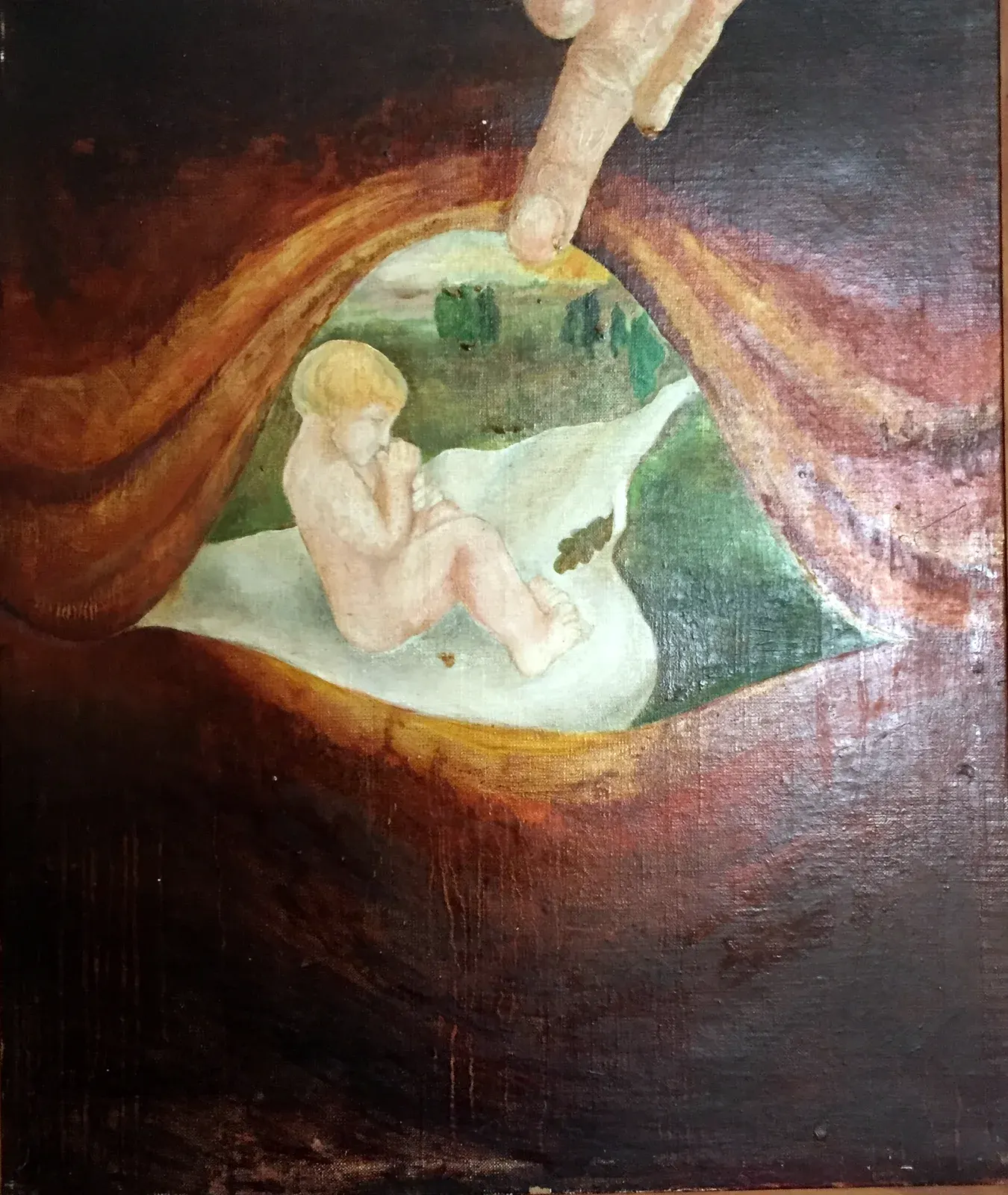
Dziecko
Child 1981 · canvas - AW.P.0038
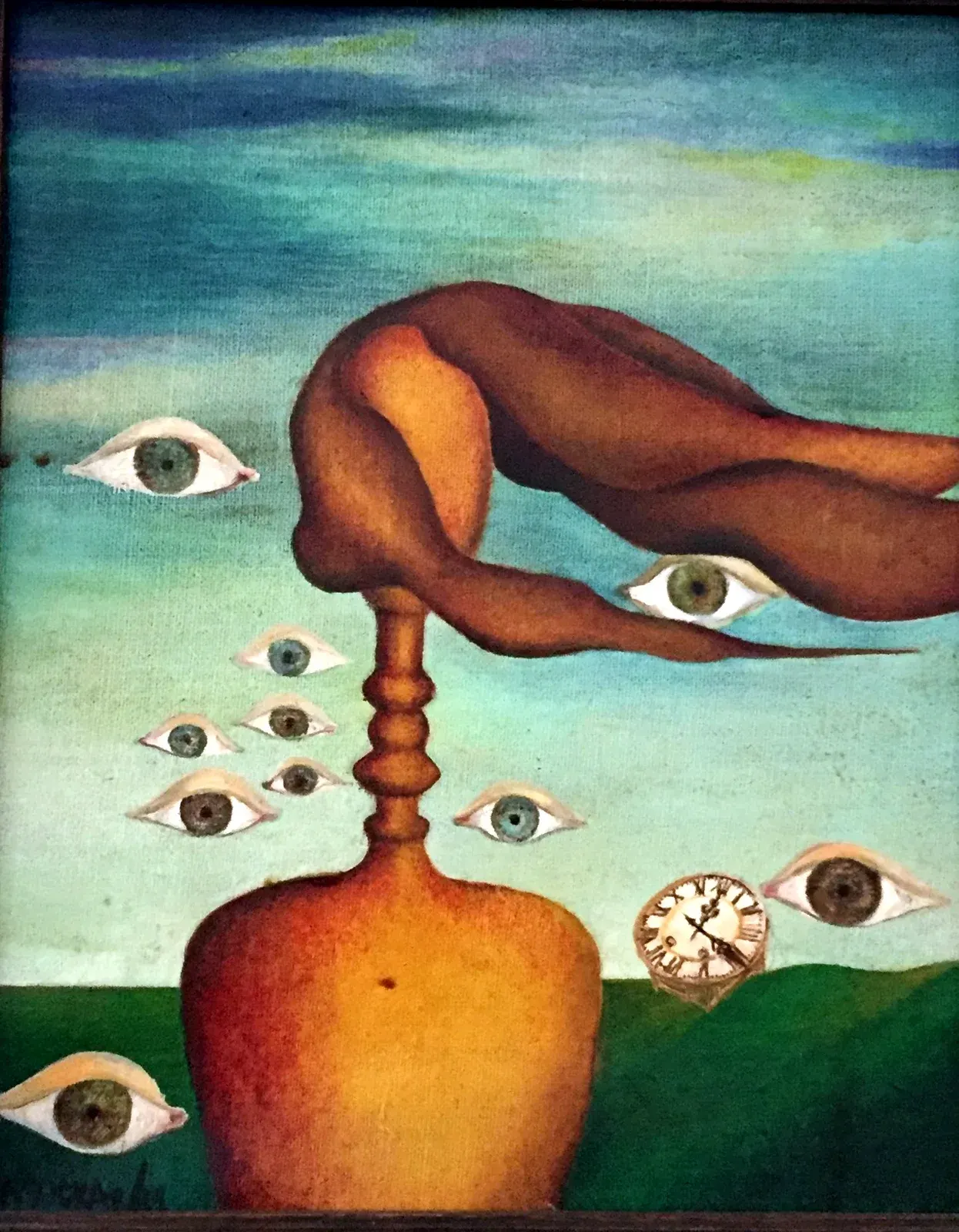
Oczy
Eyes 1981 · canvas - AW.P.0015
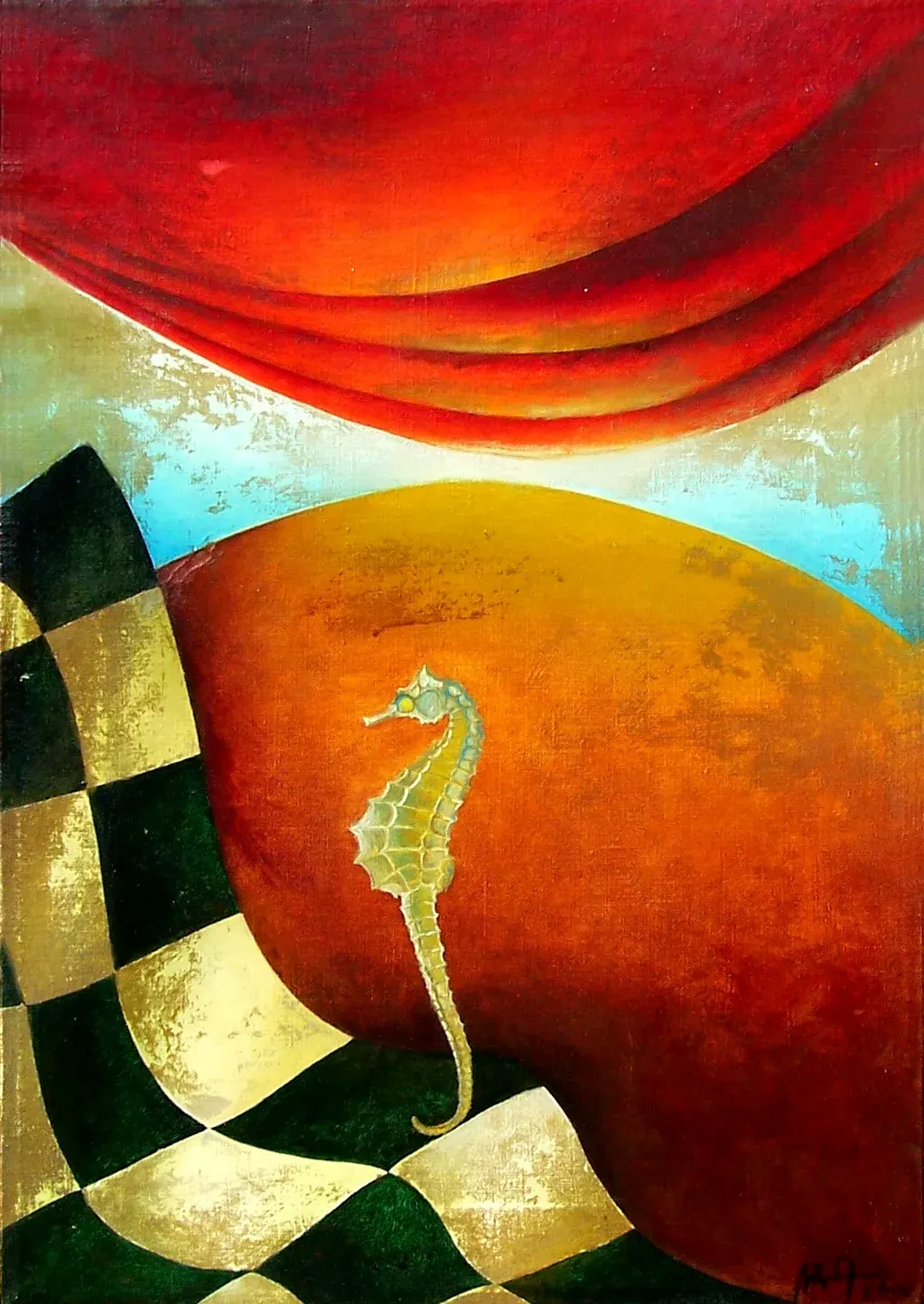
Konik
Little horse 1978 · canvas - AW.P.0032
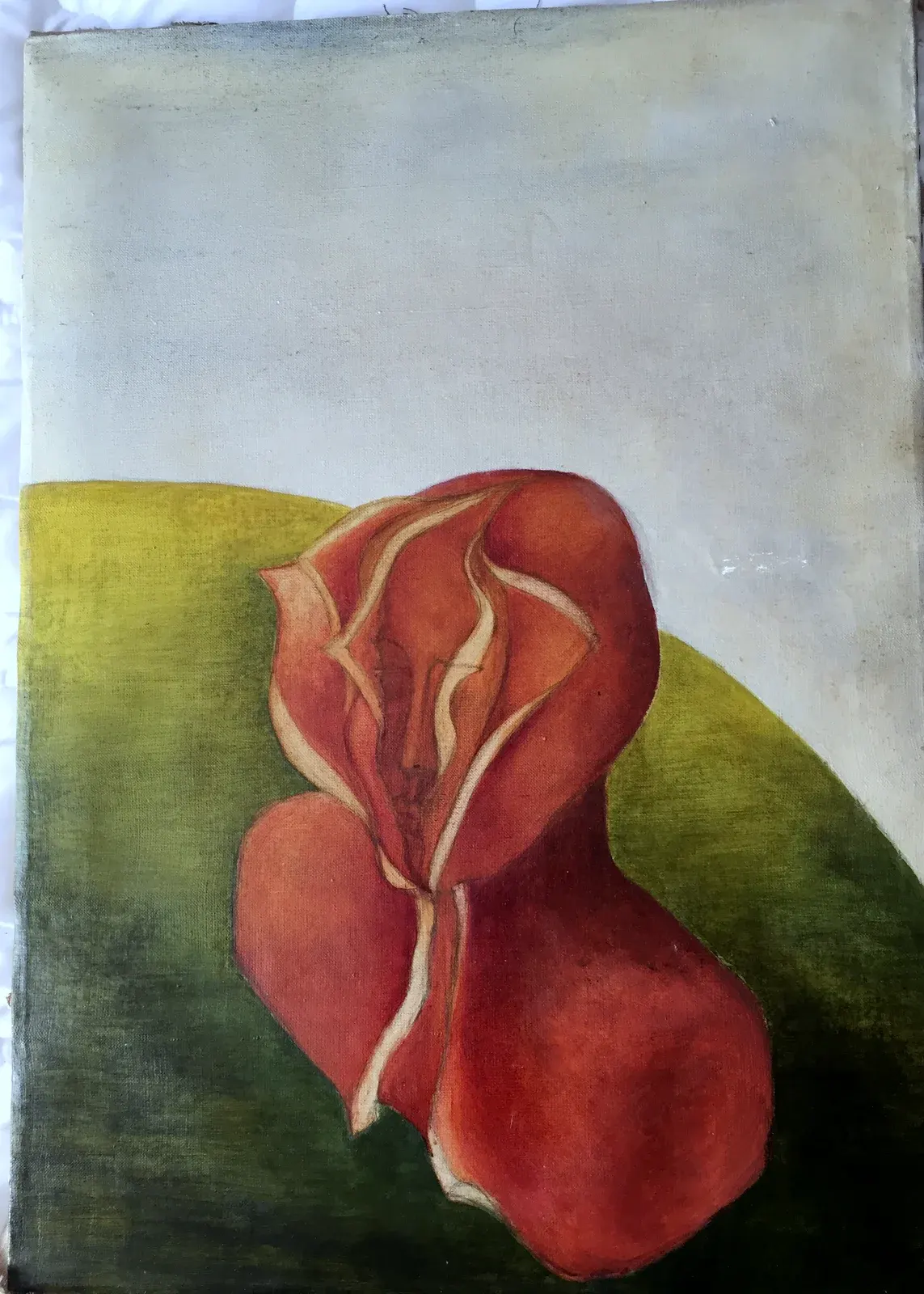
Kobieta I
Woman I 1978 · canvas - AW.P.0033
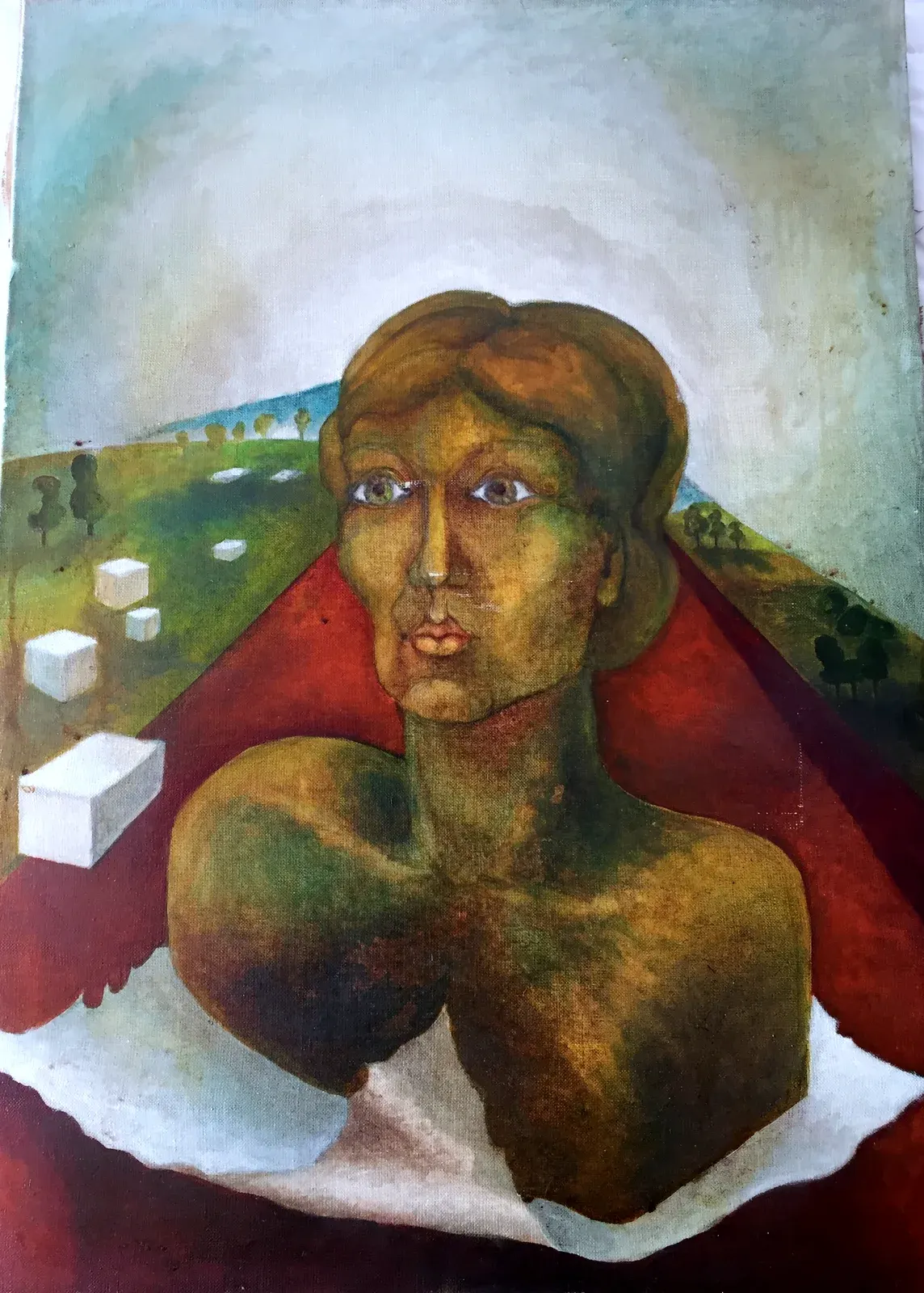
Kobieta II
Woman II 1978 · canvas - AW.P.0046
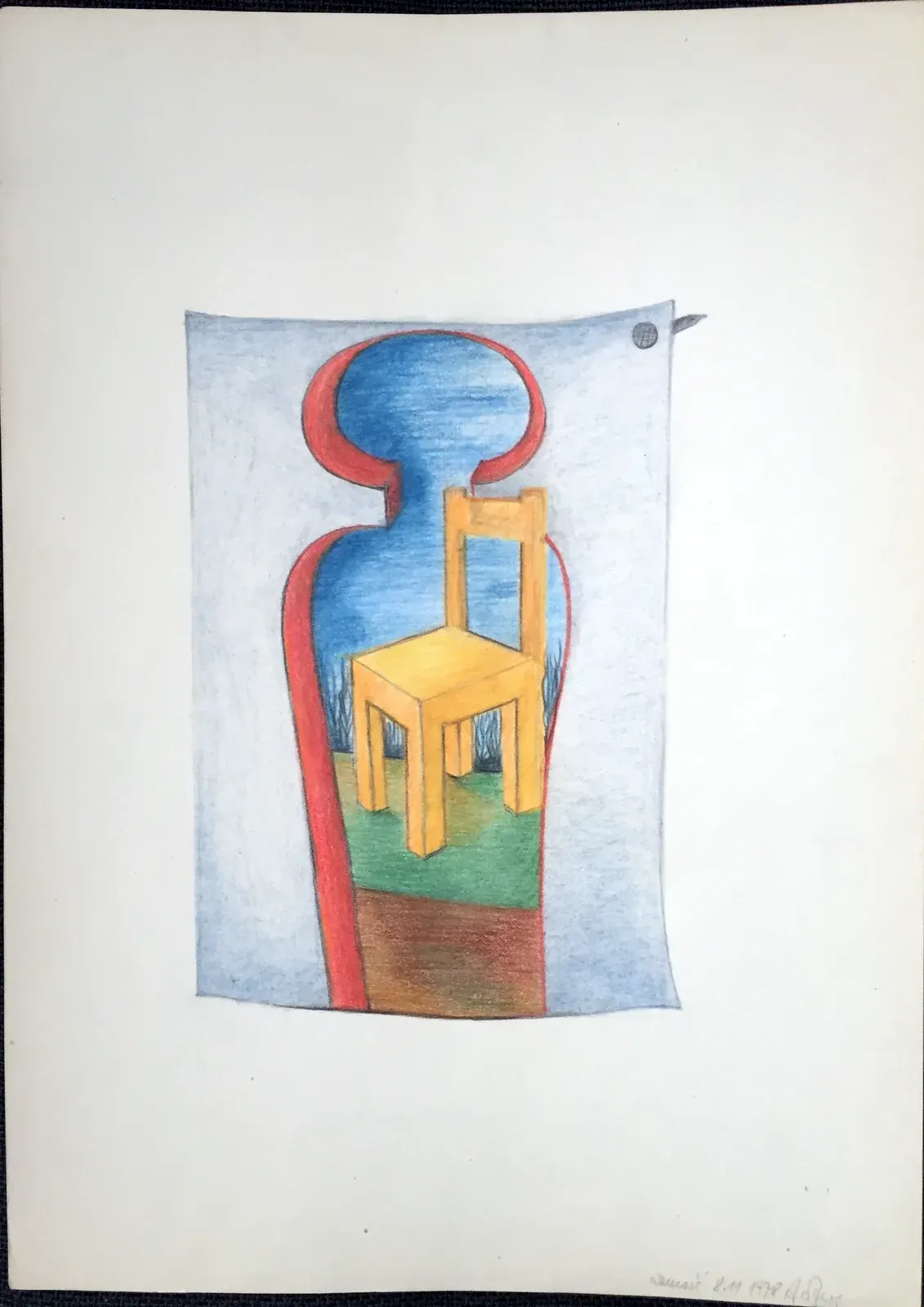
Krzesło
Chair 1978 · pastel - AW.P.0022
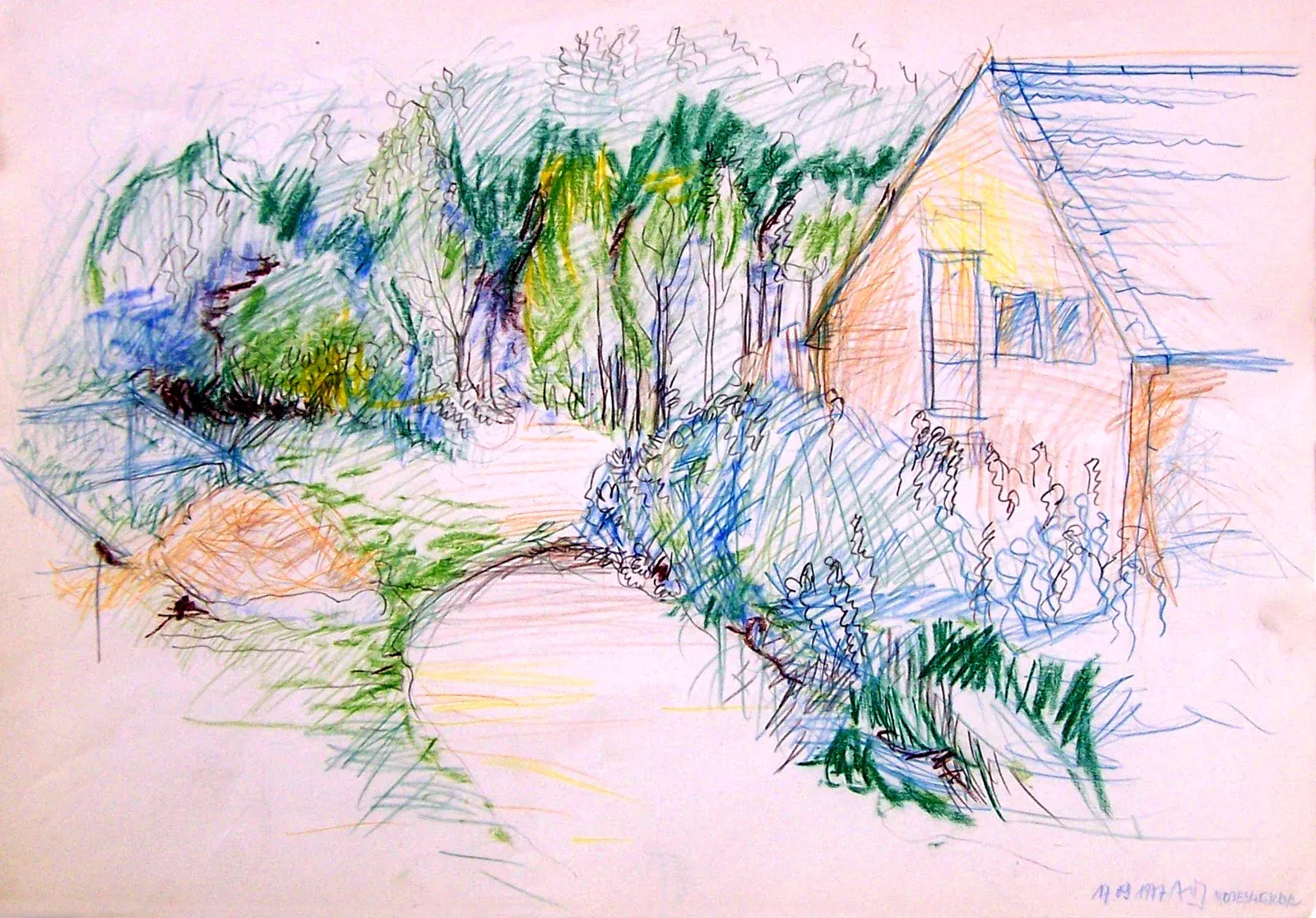
Szkic, Hoyerswerda
Sketch, Hoyerswerda 1977 · pastel - AW.P.0104
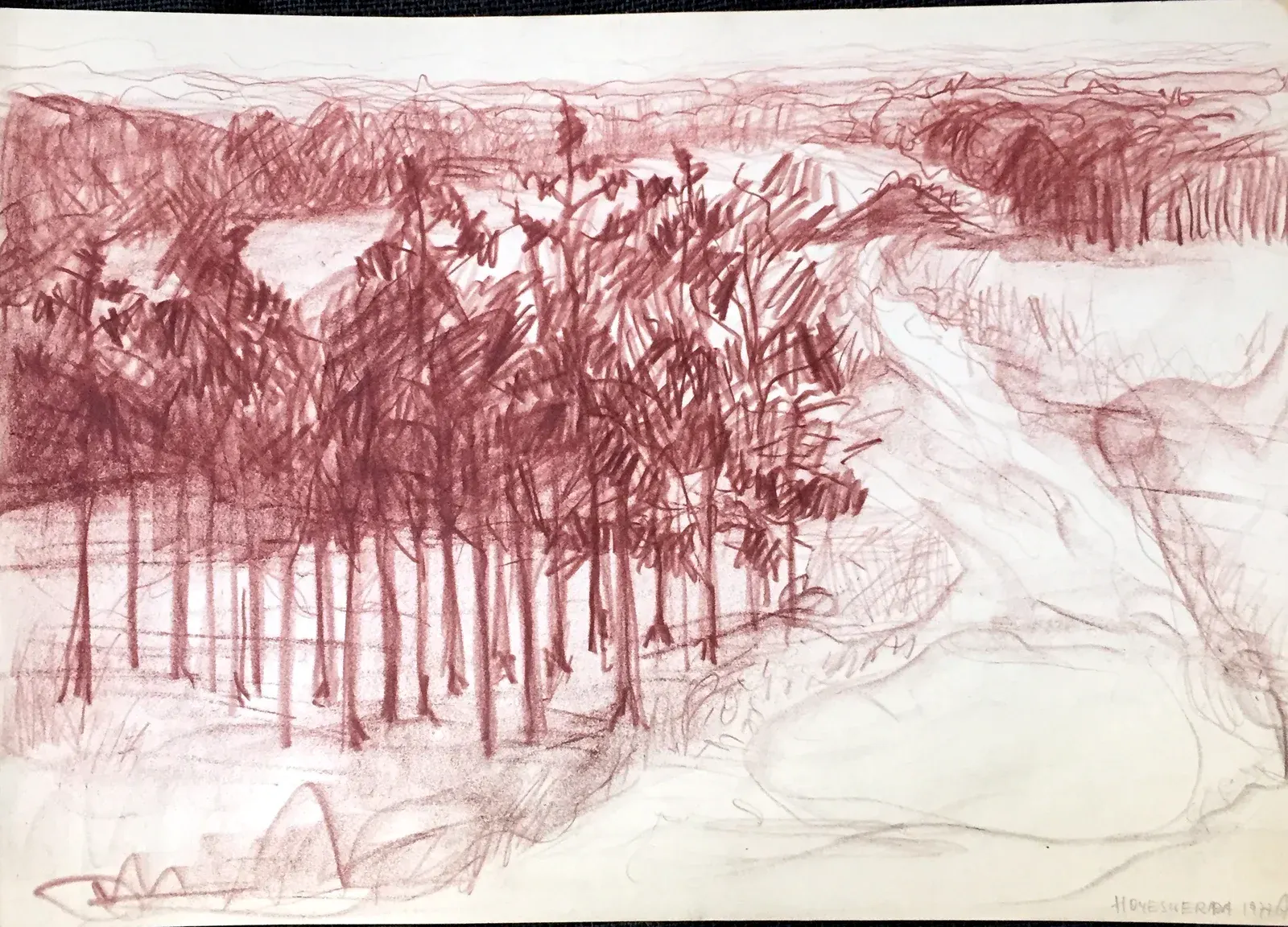
Pejzaż
Landscape 1977 · pastel - AW.P.0012
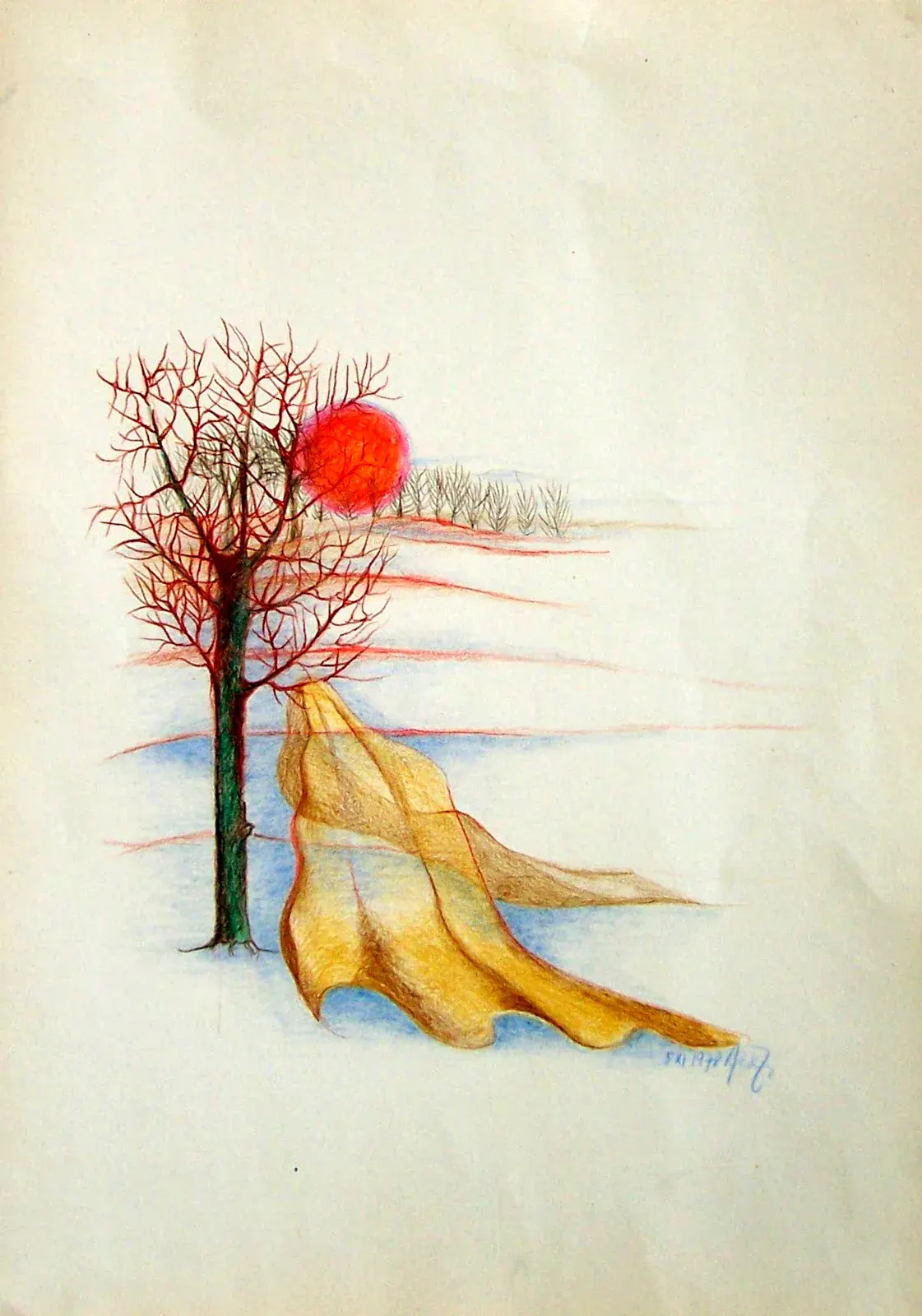
Jesień
Autumn 1972 - AW.P.0092
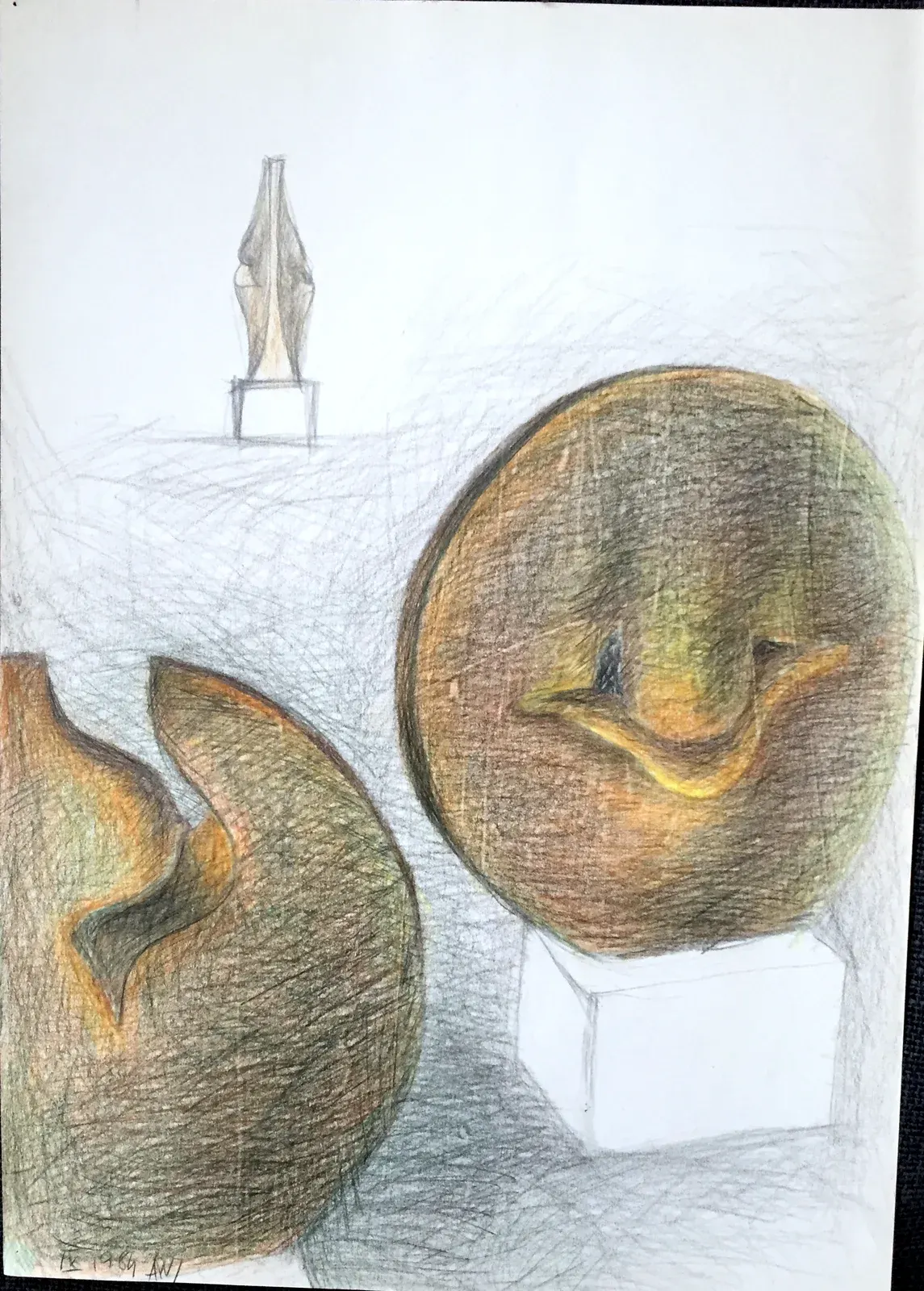
Zbliżenie
Approach pastel
Medals and plaques 4
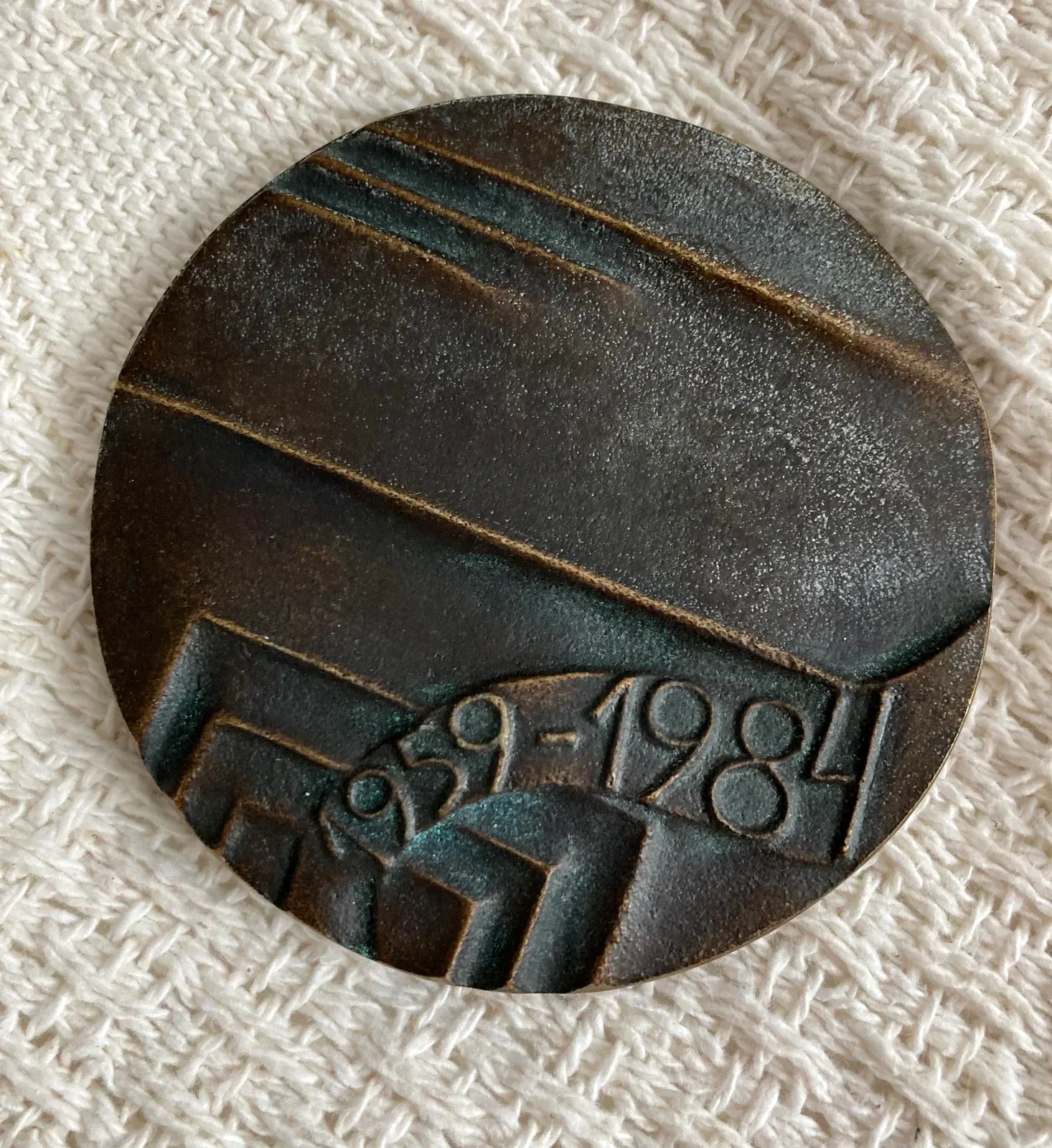
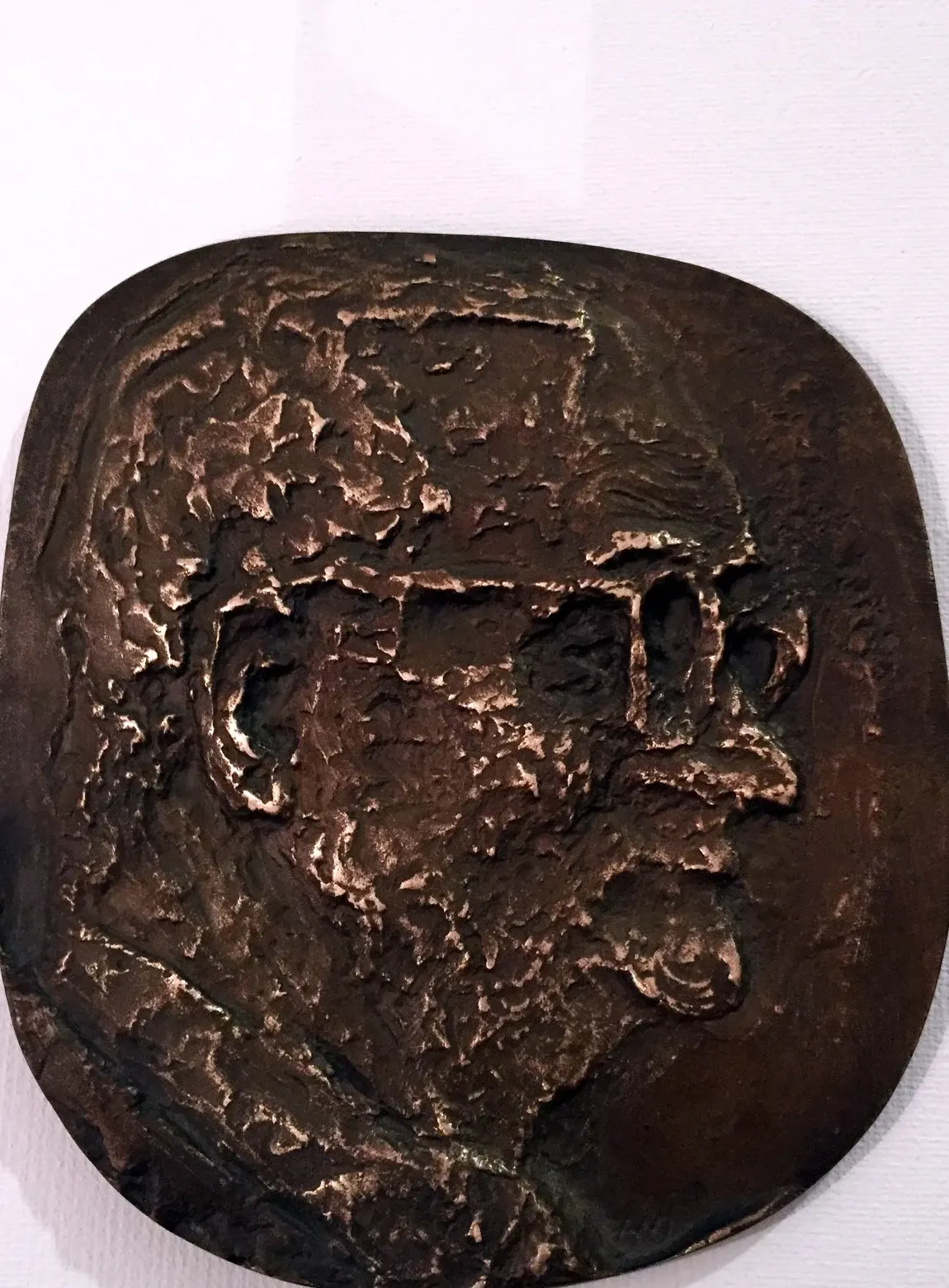
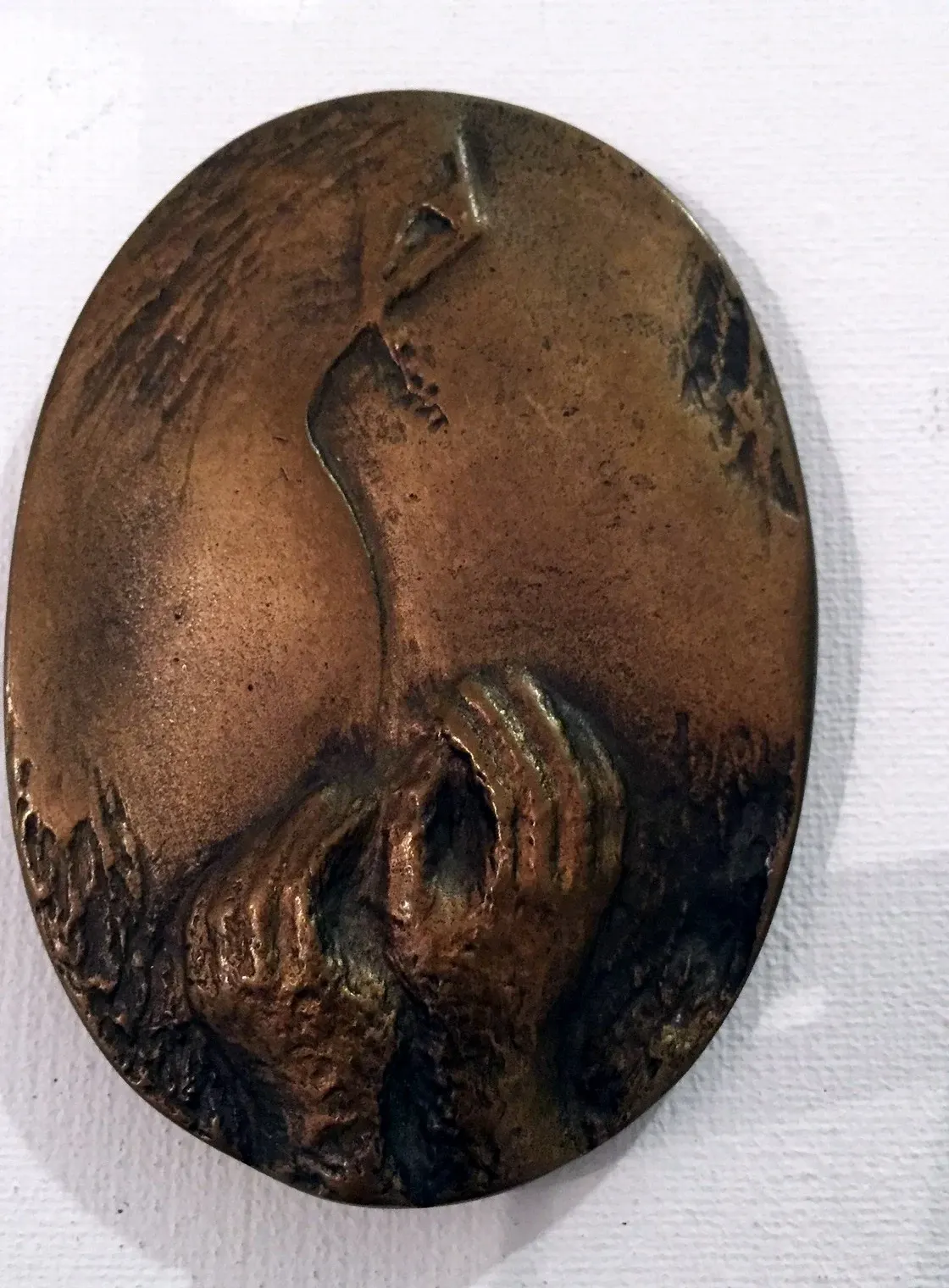
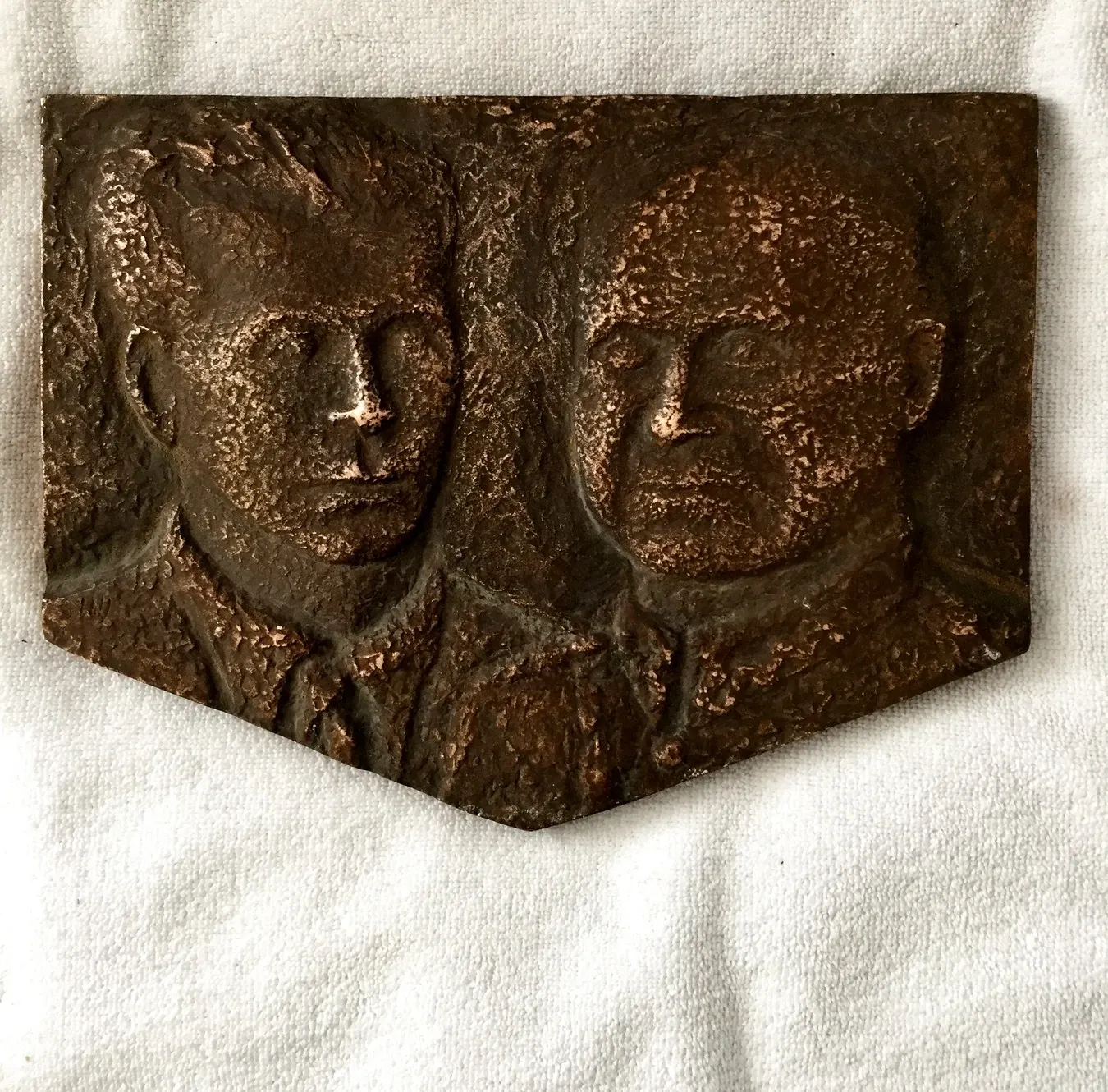
The site shows the works it has something to say about: a photograph that holds up and, behind it, a story — a room, an exhibition, a tie to another work. The others stay in the archive, and will get their page as soon as what is missing turns up.